

Siliana Living Lab, El-Krib
| Area | Leader | Farming system |
|---|---|---|
| AreaSiliana Governorate, El-Krib Delegation | LeaderINAT | Farming systemCereal plains under rainfed conditions |
| Main productions and value chains | Main issues | |
| Main productions and value chainsCereal production and Olive gardening | Main issues Environmental Drought, soil degradation. |
|
General information
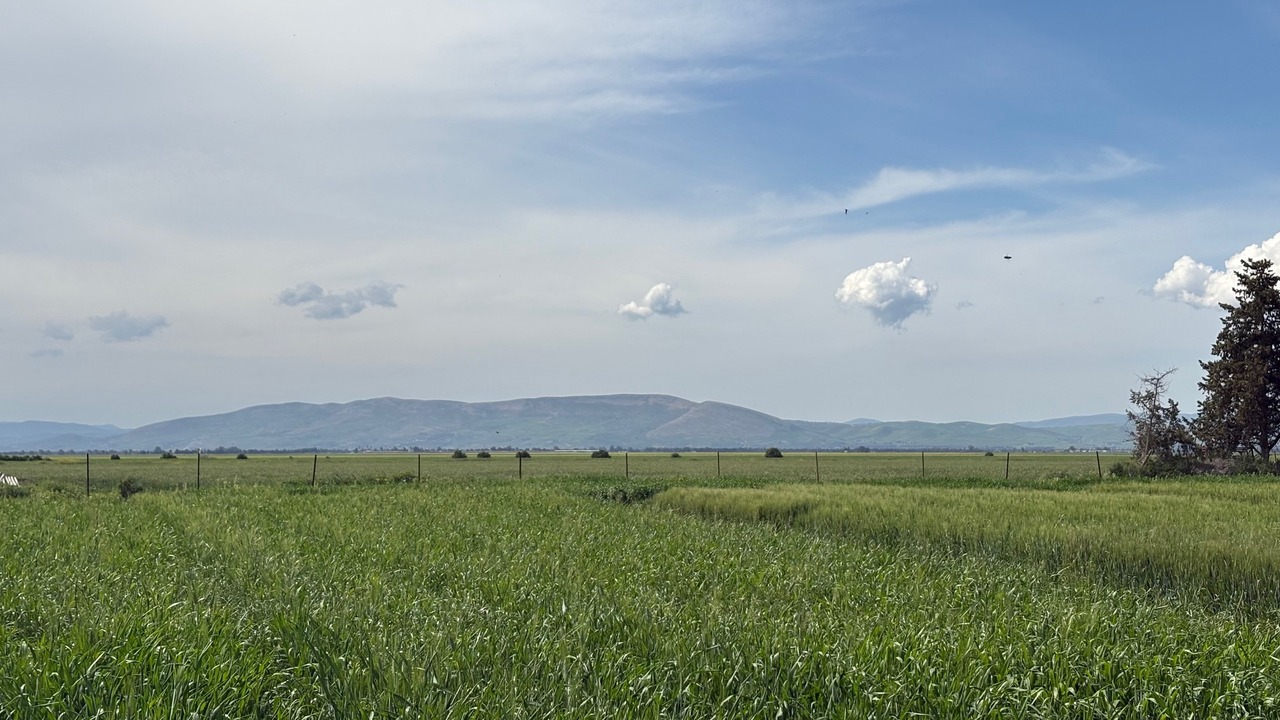
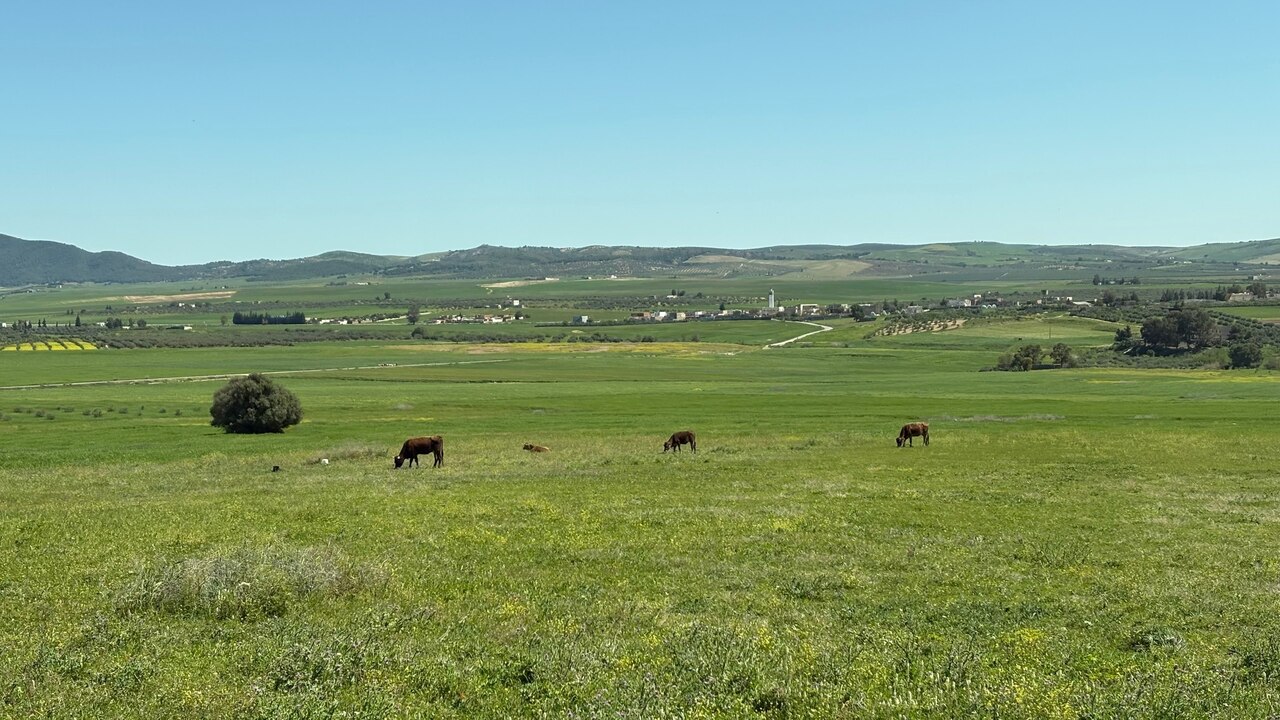
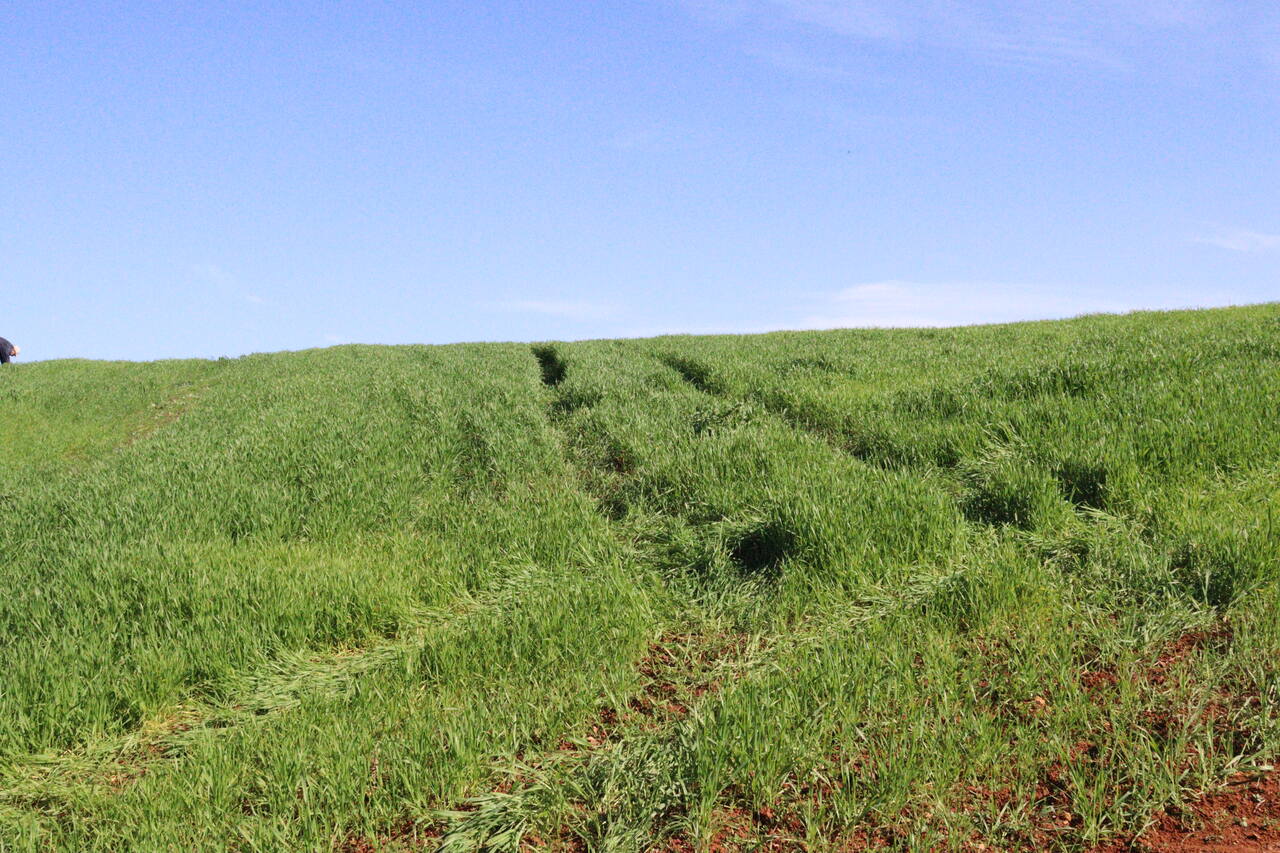
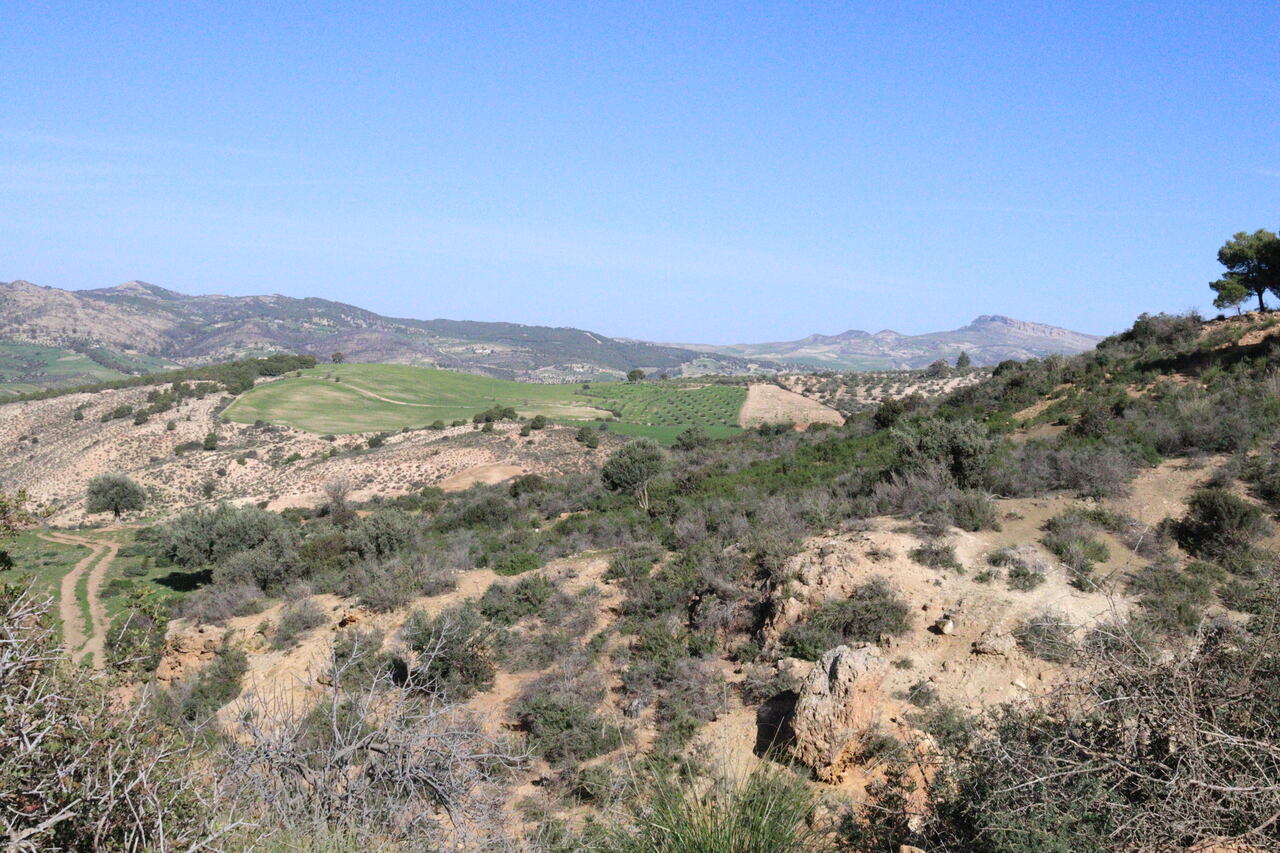
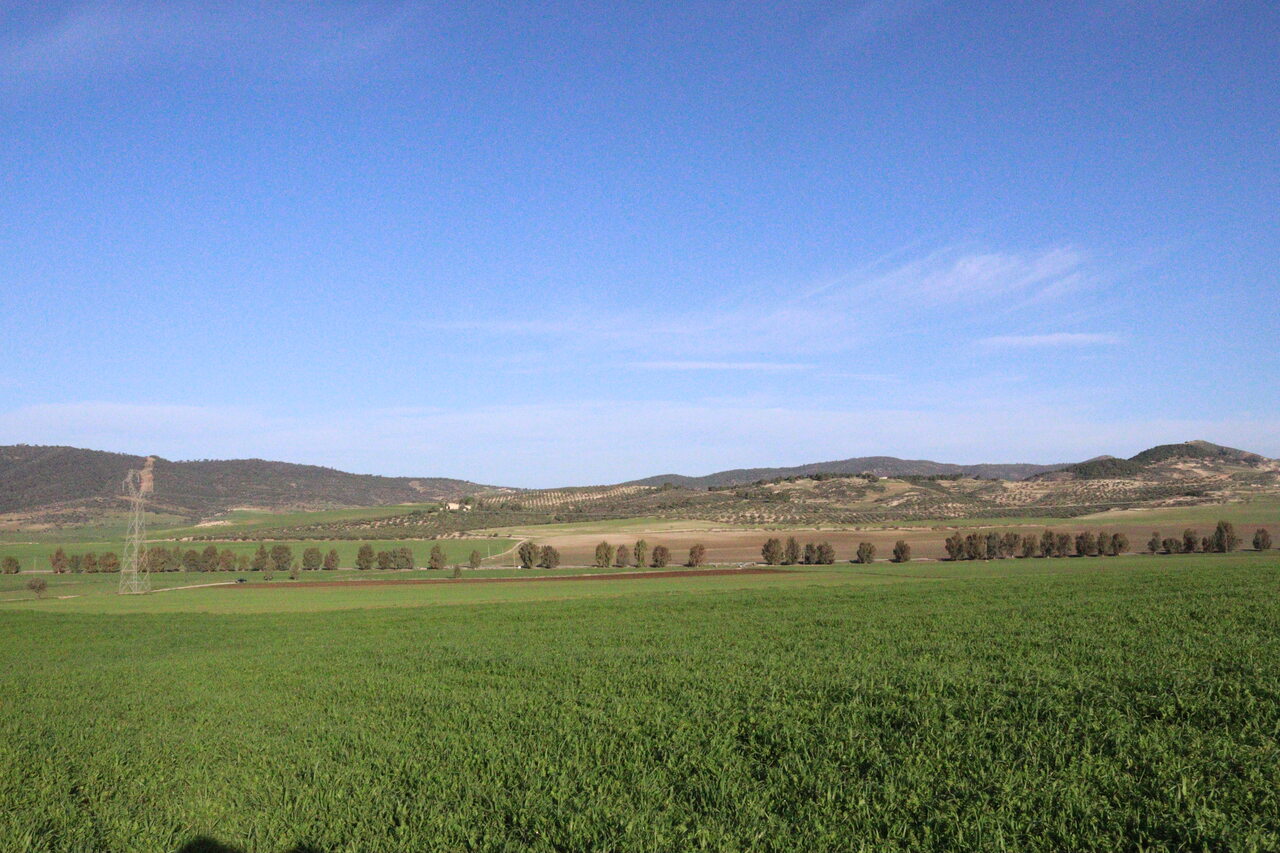
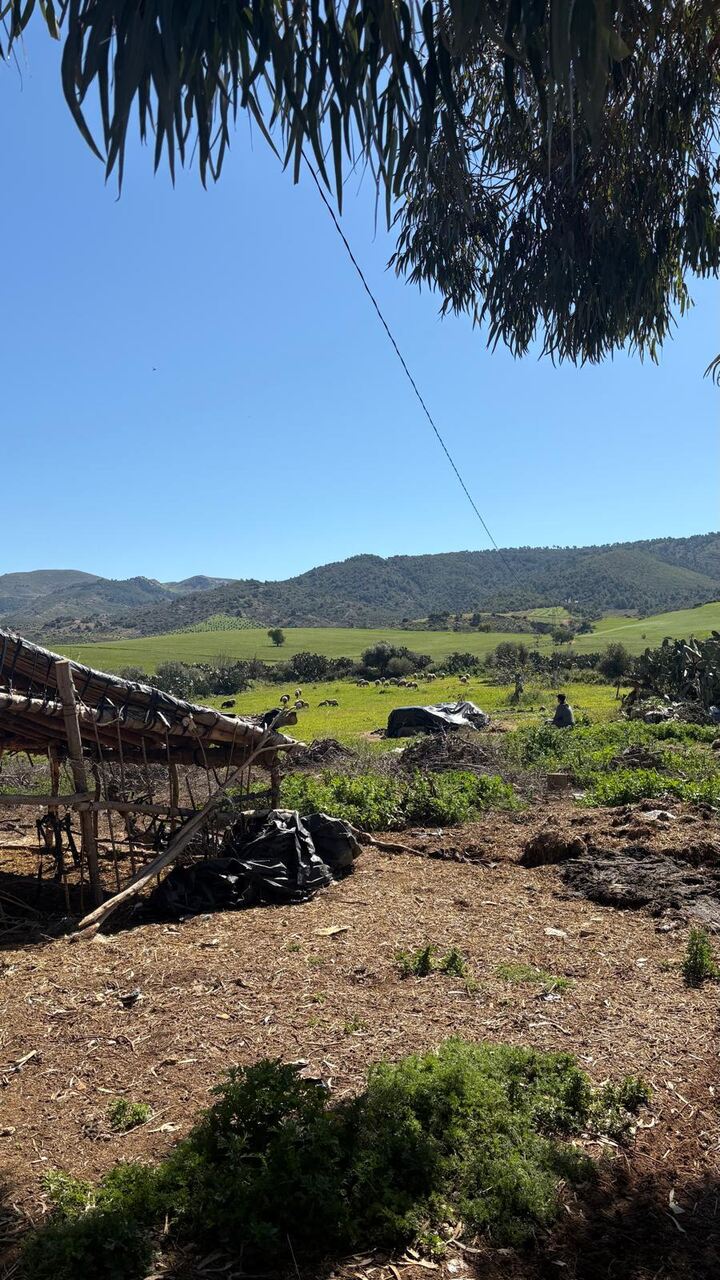
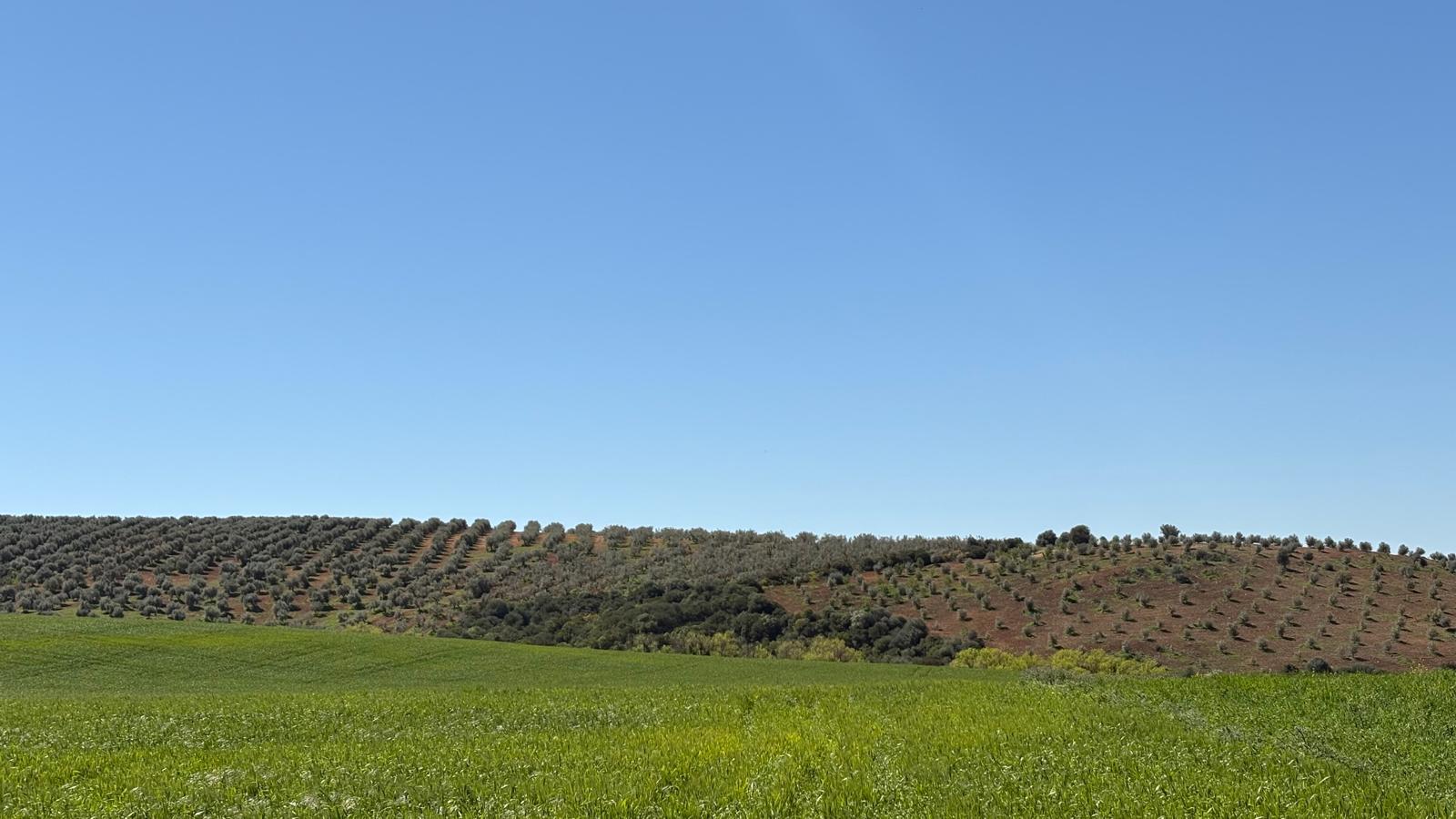
The Siliana Living Lab was established in the semi-arid cereal plains of El-Krib, in Siliana Governorate (northwestern Tunisia), a region facing soil degradation, water scarcity, and fragile rainfed monoculture systems. It aims to foster agroecological transition by providing an inclusive space for diagnosis, knowledge exchange, and collective learning, with farmers at the center of the process. Through participatory workshops, farm visits, and capacity-building activities, stakeholders co-identify challenges, co-design combinations of agroecological practices, and assess experimental results. The LL brings together 30 actors, farmers, researchers, technical experts, extension services, institutional representatives, NGOs, and farmer organizations ensuring a multidisciplinary and inclusive approach.
Representative Farms
Small Scale Farms
- 5.1 ha
- Cereals · olives
- Small ruminants
- No irrigation
- Most common farm type
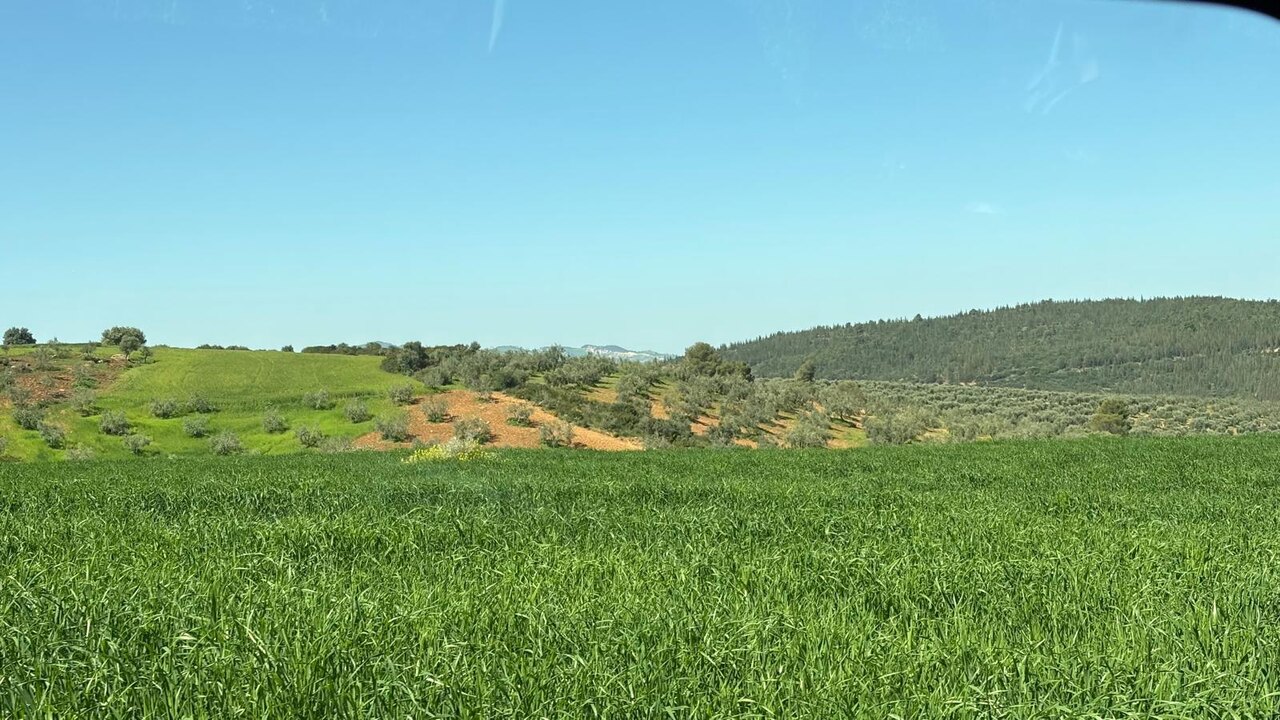
Small Scale farm type focuses primarily on cereal production including durum wheat, barley, and oats. In addition, olive cultivation is very common in this type, along with livestock (small ruminants) activities. The average farm size of 5.1 ha, without access to irrigation. Farmers in this farm type typically do not have off-farm employment, and their education level is mainly secondary. This farm type is the most common farm type in the LL.
Medium Scale Farms
- 47 ha
- Cereals · olives
- Livestock
- No off-farm employment
- Not included in the simulations
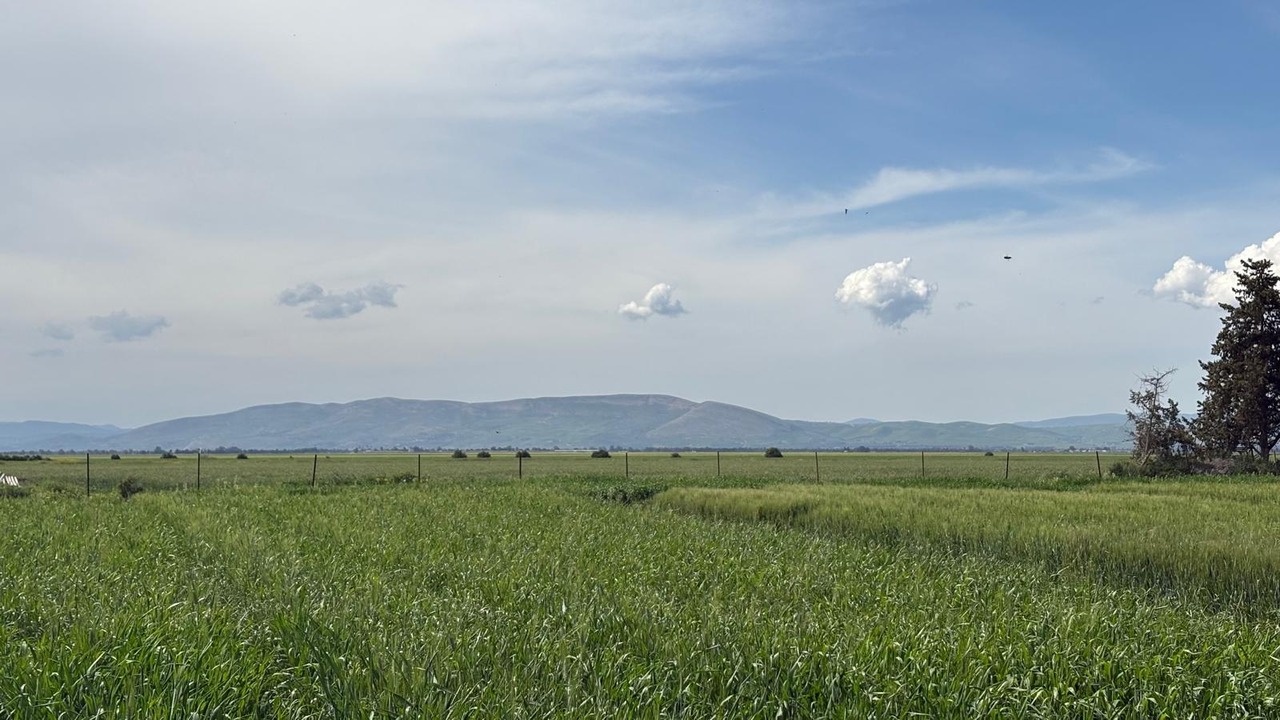
Medium scale farm type has similar characteristics to Small Scale farm type, where the main production orientation is cereals with olive gardening coupled with livestock activities. These agricultural activities are practised together in a larger scale, average of 47 hectares. As for small-scale farms, farmers belonging to this farm type don’t have off-farm employment and their education level is secondary.
Since this farm type does not add distinct dynamics beyond scale, it is not included in the simulations. Consequently, the modeling focuses only on small mixed farms and large-scale arable farms to explore transitions within the region’s dominant agricultural system.
Large Scale Farms
- 107 ha
- Trees · cereals
- No livestock
- Off-farm professions
Large-scale farm type represents larger scale agriculture activities based mainly on tree and cereal cultivation, with an average size of 107 hectares. In this farm type farmers do not engage in livestock activities. Large-scale farms also have higher levels of education, with university degrees, as well as non-agricultural professions.
The database will be available soon.
Simulation of agroecological practices and their combinations
The agroecological transition scenarios were co-designed together with the living labs through workshops that anchored the discussion in the challenges present in their territory. Consequently, they decided which agroecological practices, and which combinations of them, to promote the change in their farming systems. The AEP selection and scenario design comprised two different workshops focusing on the selection of agroecological practices aligned with the local context. First, a farmers’ workshop was conducted to design and select the agroecological practices they were willing to implement in the living lab, grounding the discussion on existing challenges. Subsequently, a representative board’s workshop was conducted, where representative board members examined the selected agroecological practices chosen by farmers, assessed their combinations, and identified additional practices.
| Name |
Forage Mixture |
|---|---|
| Summary |
This AEP aims to introduce the forage mixture into the current production system. In this scenario, a mixture of vetch (75%) and oats (25%) is used instead of traditional forage crops (such as barley or oats) to improve feed quality and increase resilience to drought, thanks to the drought-tolerant characteristic of vetch. Thus, instead of growing a single forage crop, a mixed crop with high resilience is cultivated. |
| Assumptions |
The usual forage species (oat or barley, but only one at a time) will be replaced by a forage mixture of 75% vetch and 25% oat, to enhance the nutritional quality of the forage. The forage mixture will be used as cut feed, not for grazing. Seeds will be provided by the private sector, based on improved varieties. Information from the field: livestock in the Living Lab is mainly sheep, and farmers also use concentrate. Maintaining livestock is difficult because of the high cost of feed and of the drought seasons, during which forage crops cannot be cultivated. |
| Technical details |
Yield The yield level will be higher than that of the existing forage crops (barley or oat), since the practice combines two different crops. Information on yield levels will be obtained from the experiments. Activities and Labour Mechanization: will remain the same as for oat or barley. Sowing: the seeder must be calibrated and often needs to be stopped so the seeds can be mixed again, since two species are sown rather than one. This requires more time and more labour (1.5 to 2 times more). Tillage: will remain the same as for oat or barley. Weeding: will remain the same as for oat or barley. Herbicide: dicotyledon herbicides cannot be used, because vetch is itself a dicotyledon. No herbicides are applied. Chemical Fertilization: vetch is a legume, so no nitrogen fertilizer will be applied. Only one application before sowing: DAP (100 kg/ha). Organic Fertilization: No. Pesticide: none, unless symptoms appear (applied only in the event of a pest or disease attack). Harvest: cut before maturity (in May). Residue Since the crop is cut, the roots will remain in the soil. Seeds 150 kg/ha of seed for sowing. Seed will not be harvested. Straw Yield 265 bales per ha (information from a farmer who implemented this AEP in the LL in 2025, together with intercropping, in an olive garden). Hypotheses and Scenarios Hypothesis: without reasonable seed prices, farmers will not adopt the forage mixture practice. Scenario 1: business as usual (BAU). Scenario 2: forage mixture seeds available at 4 TND/kg. |
Indicators
Agronomic
| Small Scale Farm Type | Large Scale Farm Type | |||
|---|---|---|---|---|
| Scenario | Baseline | Forage mixture | Baseline | Forage mixture |
| Farm Size (ha) | Small Scale Farm Type — Baseline4.5 | Small Scale Farm Type — Forage mixture4.5 | Large Scale Farm Type — Baseline103 | Large Scale Farm Type — Forage mixture100 |
| Crop Diversity (no. of crops) | Small Scale Farm Type — Baseline4 | Small Scale Farm Type — Forage mixture3 | Large Scale Farm Type — Baseline5 | Large Scale Farm Type — Forage mixture3 |
| Land Use | Small Scale Farm Type — BaselineBarley (~1.4 ha), Oat (~1.2 ha), Faba bean (~1.0 ha), Durum wheat (~0.6 ha) |
Small Scale Farm Type — Forage mixtureForage mixture (~3.1 ha), Faba bean (~1.0 ha), Durum wheat (~1.4 ha) |
Large Scale Farm Type — BaselineDurum wheat (~29 ha), Chickpea (~23 ha), Fenugreek (~9 ha), Barley (~8 ha), Oat (~15 ha) |
Large Scale Farm Type — Forage mixtureForage mixture (~60 ha), Chickpea (~14 ha), Faba bean (~8 ha) |
| Pesticide Use (kg/year/farm) | Small Scale Farm Type — Baseline305 | Small Scale Farm Type — Forage mixture~79 (−74%) | Large Scale Farm Type — Baseline7,289 | Large Scale Farm Type — Forage mixture~1,904 (−73%) |
| Fertilizer Use (kg/year/farm) | Small Scale Farm Type — Baseline258 | Small Scale Farm Type — Forage mixture247 | Large Scale Farm Type — Baseline3,125 | Large Scale Farm Type — Forage mixture2.5 |
| Nitrogen Leaching (kg/year/farm) | Small Scale Farm Type — Baseline53.4 | Small Scale Farm Type — Forage mixture0.07 | Large Scale Farm Type — Baseline432 | Large Scale Farm Type — Forage mixture0.5 |
Socio-economic
| Small Scale Farm Type | Large Scale Farm Type | |||
|---|---|---|---|---|
| Scenario | Baseline | Forage mixture | Baseline | Forage mixture |
| Total Farm Income ($/year/farm) | Small Scale Farm Type — Baseline6,350 | Small Scale Farm Type — Forage mixture9,513 | Large Scale Farm Type — Baseline97,000 | Large Scale Farm Type — Forage mixture148,000 |
| Cost ($/year/farm) | Small Scale Farm Type — Baseline1,110 | Small Scale Farm Type — Forage mixture594 | Large Scale Farm Type — Baseline26,972 | Large Scale Farm Type — Forage mixture17,868 |
| Labour (person-day/year) | Small Scale Farm Type — Baseline56.4 | Small Scale Farm Type — Forage mixture45 | Large Scale Farm Type — Baseline222 | Large Scale Farm Type — Forage mixture71 |
| Name |
Intercropping |
|---|---|
| Summary |
In this scenario, we propose integrating an intercropping system between the trees, including legumes in the cropping system through the forage mixture practice. This scenario is expected to help enhance the land use efficiency by utilising the free space between the tree rows. Cultivated forage mixture, which includes legume crops, has different benefits for the soil, and it will be an additional income (depending on the production/yield) for the farmers or feed for their livestock. Livestock existence is a condition for this scenario; the production will be used for the livestock (harvest every year, no green manure, etc.). This practice is feasible when the space between the trees is sufficient (in an extensive way). In the LL, this practice is feasible mainly for olive gardens because the space between the lines is wide enough to implement intercropping. Usual forage species (oat or barley, but only one at a time) will be replaced by a forage mixture of two species, vetch and oat, enhancing the nutritional quality of the forage. The mixture will be 75% vetch and 25% oat. The forage mixture will be used as cut feed, not for grazing. Seeds will be provided by the private sector (improved varieties). |
| Assumptions |
The usual forage species (oat or barley, but only one at a time) will be replaced by a forage mixture of 75% vetch and 25% oat, to enhance the nutritional quality of the forage. The forage mixture will be used as cut feed, not for grazing. Seeds will be provided by the private sector, based on improved varieties. Information from the field: livestock in the Living Lab is mainly sheep, and farmers also use concentrate. Maintaining livestock is difficult because of the high cost of feed and of the drought seasons, during which forage crops cannot be cultivated. |
| Technical details |
Yield The yield of the trees may increase after several years, thanks to improved soil fertility. The effect is not expected immediately, but after some years. Another advantage of this practice is the stability of the yield over the years. Activities and Labour Mechanization: only for sowing. Sowing: will take place every year. Tillage: for soil preparation before sowing. Weeding: weeding activities will be reduced. Herbicide: may decrease, depending on the abundance of weeds. Chemical Fertilization: after adopting this practice, an increase in soil nitrogen content is expected, so the need for chemical nitrogen fertilization will be reduced. Organic Fertilization: not mentioned in the database. Harvest: will increase, because of the olive harvest plus the forage mixture harvest. Residue Residues will be produced by the forage mixture. Seeds Seed cost will increase for the forage mixture, due to the adoption of the intercropping practice. Straw Yield No straw yield, because the oat and vetch mixture is harvested as cut forage. Hypotheses and Scenarios Hypothesis: introducing intercropping will improve the economic viability of the farm, but without a reasonable seed price, farmers will not be interested in this practice. Scenario 1: business as usual (BAU). Scenario 2: forage mixture seeds available at 4 TND/kg, so farmers start integrating intercropping with the forage mixture. |
Indicators
Agronomic
| Small Scale Farm Type | Large Scale Farm Type | |||
|---|---|---|---|---|
| Scenario | Baseline | Intercropping | Baseline | Intercropping |
| Farm Size (ha) | Small Scale Farm Type — Baseline4.5 | Small Scale Farm Type — Intercropping4.6 | Large Scale Farm Type — Baseline103 | Large Scale Farm Type — Intercropping109 |
| Crop Diversity (no. of crops) | Small Scale Farm Type — Baseline4 | Small Scale Farm Type — Intercropping5 | Large Scale Farm Type — Baseline5 | Large Scale Farm Type — Intercropping6 |
| Land Use | Small Scale Farm Type — BaselineBarley (~1.4 ha), Oat (~1.2 ha), Faba bean (~1.0 ha), Durum wheat (~0.6 ha) |
Small Scale Farm Type — IntercroppingBarley (~1.2 ha), Oat (~1.2 ha), Faba bean (~1.0 ha), Durum wheat (~0.6 ha), Faba bean (intercropping) (~0.1 ha) |
Large Scale Farm Type — BaselineDurum wheat (~29 ha), Chickpea (~23 ha), Fenugreek (~9 ha), Barley (~8 ha), Oat (~15 ha) |
Large Scale Farm Type — IntercroppingDurum wheat (~29 ha), Chickpea (~22 ha), Fenugreek (~14 ha), Oat (~7 ha), Faba bean (intercropping) (~6 ha) |
| Pesticide Use (kg/year/farm) | Small Scale Farm Type — Baseline305 | Small Scale Farm Type — Intercropping93 | Large Scale Farm Type — Baseline7,289 | Large Scale Farm Type — Intercropping5,745 |
| Fertilizer Use (kg/year/farm) | Small Scale Farm Type — Baseline258 | Small Scale Farm Type — Intercropping270 | Large Scale Farm Type — Baseline3,125 | Large Scale Farm Type — Intercropping3,385 |
| Nitrogen Leaching (kg/year/farm) | Small Scale Farm Type — Baseline53.4 | Small Scale Farm Type — Intercropping54 | Large Scale Farm Type — Baseline432 | Large Scale Farm Type — Intercropping856.4 |
Socio-economic
| Small Scale Farm Type | Large Scale Farm Type | |||
|---|---|---|---|---|
| Scenario | Baseline | Intercropping | Baseline | Intercropping |
| Total Farm Income ($/year/farm) | Small Scale Farm Type — Baseline6,350 | Small Scale Farm Type — Intercropping6,312 | Large Scale Farm Type — Baseline97,000 | Large Scale Farm Type — Intercropping141,700 |
| Cost ($/year/farm) | Small Scale Farm Type — Baseline1,110 | Small Scale Farm Type — Intercropping1,110 | Large Scale Farm Type — Baseline26,972 | Large Scale Farm Type — Intercropping26,544 |
| Labour (person-day/year) | Small Scale Farm Type — Baseline56.4 | Small Scale Farm Type — Intercropping59 | Large Scale Farm Type — Baseline222 | Large Scale Farm Type — Intercropping265 |
| Name |
Crop Rotation with Legumes |
|---|---|
| Summary |
In the Living Lab of Siliana, this AEP aims to introduce legumes into cereal-based production systems through crop rotation. The proposed practice consists of alternating cereals and legumes over a rotation cycle. This responds to the current situation, where most farmers rely on continuous cereal monoculture. |
| Full description |
The main objective of this AEP is to incorporate legumes into the existing monoculture farming system. The proposed crop rotation will be established in biannual rotation of cereals and legumes. Currently, majority of the farmers rely on a monoculture production system of durum wheat. Even if farmers practice fallow, the subsequent crop remains as cereals (durum wheat, barley, oat). Proposed Crop Rotation Pattern Year 1: Cereal (durum wheat or barley or oat) Year 2: Legumes (fenugreek, fababean, pea (petit pois)) Year 3: Cereal (durum wheat or barley or oat) Cereals will be durum wheat in majority. |
| Technical details |
Yield The yield is expected to increase as a result of improved soil fertility and of reduced diseases, particularly fungal diseases. This effect will be observed after some years, not immediately. Another benefit of this practice is yield stability over the years, especially for cereals. Activities and Labour Mechanization: no change. Sowing: no change. Tillage: no change. Weeding: weeding activities will be reduced, because the legume crops act as a mechanical barrier against weeds. Herbicides: may decrease, following the abundance of weeds (see weeding). Chemical fertilisation: after adopting this practice, soil nitrogen content is expected to increase. As a result, less chemical nitrogen fertilisation will be needed. Organic Fertilization: not mentioned in the database for cereals. Pesticide: will decrease. In a rotation, the life cycle of pests and diseases is expected to be broken for both crops. Harvest: no change. Residue Cereal year: no change. Legume year: the residue level will increase. Seeds Cereals: no change. Legumes: seed costs will increase, because new crops are introduced into the pattern and legume seeds are more expensive than cereal seeds. Availability: seed availability will be tested as a solution for adopting the scenario. Straw Yield Cereals: will increase. Legumes: no straw. It is integrated into the soil, either as green fertilizer or, after the harvest, left in the soil as residue. Hypotheses and Scenarios Hypothesis: farmers will not adopt legume crops in their rotation system unless there is market availability for legumes at good prices. Scenario 1: business as usual (BAU). Scenario 2: legume crops are sold at 1.75 TND on the market. |
Indicators
Agronomic
| Small Scale Farm Type | Large Scale Farm Type | |||
|---|---|---|---|---|
| Scenario | Baseline | Crop rotation | Baseline | Crop rotation |
| Farm Size (ha) | Small Scale Farm Type — Baseline4.5 | Small Scale Farm Type — Crop rotation3.21 | Large Scale Farm Type — Baseline103 | Large Scale Farm Type — Crop rotation97.7 |
| Crop Diversity (no. of crops) | Small Scale Farm Type — Baseline4 | Small Scale Farm Type — Crop rotation4 | Large Scale Farm Type — Baseline5 | Large Scale Farm Type — Crop rotation6 |
| Land Use | Small Scale Farm Type — BaselineBarley (~1.4 ha), Oat (~1.2 ha), Faba bean (~1.0 ha), Durum wheat (~0.6 ha) |
Small Scale Farm Type — Crop rotationDurum wheat monoculture (~0.12 ha), Oat (~0.17 ha), Faba bean (~0.9 ha), Durum wheat in rotation (~0.86 ha), Legume in rotation (~0.86 ha) |
Large Scale Farm Type — BaselineDurum wheat (~29 ha), Chickpea (~23 ha), Fenugreek (~9 ha), Barley (~8 ha), Oat (~15 ha) |
Large Scale Farm Type — Crop rotationDurum wheat monoculture (~1.51 ha), Oat (~9.61 ha), Chickpea (~22.23 ha), Faba bean (~1.48 ha), Fenugreek (~8.46 ha), Durum wheat in rotation (~18.2 ha), Legume in rotation (~18.2 ha) |
| Pesticide Use (kg/year/farm) | Small Scale Farm Type — Baseline305 | Small Scale Farm Type — Crop rotation220 | Large Scale Farm Type — Baseline7,289 | Large Scale Farm Type — Crop rotation64.1 |
| Fertilizer Use (kg/year/farm) | Small Scale Farm Type — Baseline258 | Small Scale Farm Type — Crop rotation78.9 | Large Scale Farm Type — Baseline3,125 | Large Scale Farm Type — Crop rotation64.1 |
| Nitrogen Leaching (kg/year/farm) | Small Scale Farm Type — Baseline53.4 | Small Scale Farm Type — Crop rotation17.9 | Large Scale Farm Type — Baseline432 | Large Scale Farm Type — Crop rotation130.1 |
Socio-economic
| Small Scale Farm Type | Large Scale Farm Type | |||
|---|---|---|---|---|
| Scenario | Baseline | Crop rotation | Baseline | Crop rotation |
| Total Farm Income ($/year/farm) | Small Scale Farm Type — Baseline6,350 | Small Scale Farm Type — Crop rotation3,676 | Large Scale Farm Type — Baseline97,000 | Large Scale Farm Type — Crop rotation90,827 |
| Cost ($/year/farm) | Small Scale Farm Type — Baseline1,110 | Small Scale Farm Type — Crop rotation909 | Large Scale Farm Type — Baseline26,972 | Large Scale Farm Type — Crop rotation20,791 |
| Labour (person-day/year) | Small Scale Farm Type — Baseline56.4 | Small Scale Farm Type — Crop rotation46 | Large Scale Farm Type — Baseline222 | Large Scale Farm Type — Crop rotation136 |
| Name |
No-Till Sowing |
|---|---|
| Summary |
This practice consists of sowing field crops directly into the soil without prior tillage. Unlike conventional methods, which require multiple soil operations before sowing, no-till preserves soil structure and reduces erosion. In the context of the Living Lab, we would like to integrate the no till sowing in order to replace the conventional tillage-based system. This transition is expected to improve soil health, reduce labour costs, preserve soil moisture and contribute to the long-term sustainability of farming systems in the region. |
| Assumptions |
This practice consists of planting crops directly into the soil without prior tillage. Unlike conventional methods, which require multiple soil operations before sowing, no-till preserves soil structure and reduces erosion. In the context of the Living Lab, we would like to integrate the no-till sowing in order to convince farmers in adopting this AEP and fully replacing the conventional tillage-based system. This transition is expected to improve soil health, lower labor costs, and contribute to the long-term sustainability of farming systems in the region. |
| Technical details |
Yield Yield stability will be observed after several years of adopting this practice. Good to average yield levels are expected: the advantage of this AEP is stability rather than higher yields, so no strong fluctuations are expected. During the first years, yield levels will decrease by around 5% (Pittelkow et al., 2015). Over time this gap will close and yields will return to normal, with a stable trend. The advantage of this practice is yield stability, not increased yield levels. Activities and Labour Mechanization: less mechanization, since the mechanization coming from tillage will be zero. Sowing: a new machine is required, a “no-till sower” (the availability of this machine is the scenario). Tillage: the value will be zero. Weeding: all weeding will be chemical and will take place before sowing (glyphosate will be used as herbicide). Herbicide: the labour needed for herbicide will not change, only once before sowing, which is the same as in the current situation. Chemical Fertilisation: the same during the first years, then reduced thanks to the increased soil fertility. The same types of fertilizer will be used, the labour need will not change during the first years, and the number of fertilization operations will remain the same. Organic Fertilization: not mentioned in the database for cereals. Pesticide: will remain the same. Harvest: will remain the same. The difference is in the residue left on the soil surface, which will increase by around 30% (based on expert knowledge). Residue The residue level will increase by around 30% (based on expert knowledge). Seeds Nothing will change. Straw Yield In bad climatic years, straw yield will be higher than normal; in good climatic years, it will be lower than under conventional practice. Options and Hypotheses Hypothesis: the cost of sowing mechanization will increase, because a new no-till sowing machine has to be bought. Small scale farm type: farmers are not able to buy a new machine, but they can rent one, either from the large scale farmers or from the INGC (Institut National des Grandes Cultures). Large scale farm type: farmers may be able to buy the new no-till sowing machine (hypothesis). Cost of the other activities: labour will depend on the “Activities and Labour” section above. |
Indicators
Agronomic
| Small Scale Farm Type | Large Scale Farm Type | |||
|---|---|---|---|---|
| Scenario | Baseline | No-till sowing | Baseline | No-till sowing |
| Farm Size (ha) | Small Scale Farm Type — Baseline4.5 | Small Scale Farm Type — No-till sowing4.5 | Large Scale Farm Type — Baseline103 | Large Scale Farm Type — No-till sowing103 |
| Crop Diversity (no. of crops) | Small Scale Farm Type — Baseline4 | Small Scale Farm Type — No-till sowing4 | Large Scale Farm Type — Baseline5 | Large Scale Farm Type — No-till sowing5 |
| Land Use | Small Scale Farm Type — BaselineBarley (~1.4 ha), Oat (~1.2 ha), Faba bean (~1.0 ha), Durum wheat (~0.6 ha) |
Small Scale Farm Type — No-till sowingBarley (~1.4 ha), Oat (~1.2 ha), Faba bean (~1.0 ha), Durum wheat (~0.6 ha) |
Large Scale Farm Type — BaselineDurum wheat (~29 ha), Chickpea (~23 ha), Fenugreek (~9 ha), Barley (~8 ha), Oat (~15 ha) |
Large Scale Farm Type — No-till sowingDurum wheat (~29 ha), Chickpea (~23 ha), Fenugreek (~9 ha), Barley (~8 ha), Oat (~15 ha) |
| Pesticide Use (kg/year/farm) | Small Scale Farm Type — Baseline305 | Small Scale Farm Type — No-till sowing305 | Large Scale Farm Type — Baseline7,289 | Large Scale Farm Type — No-till sowing7,289 |
| Fertilizer Use (kg/year/farm) | Small Scale Farm Type — Baseline258 | Small Scale Farm Type — No-till sowing258 | Large Scale Farm Type — Baseline3,125 | Large Scale Farm Type — No-till sowing3,125 |
| Nitrogen Leaching (kg/year/farm) | Small Scale Farm Type — Baseline53.4 | Small Scale Farm Type — No-till sowing53.4 | Large Scale Farm Type — Baseline432 | Large Scale Farm Type — No-till sowing432 |
Socio-economic
| Small Scale Farm Type | Large Scale Farm Type | |||
|---|---|---|---|---|
| Scenario | Baseline | No-till sowing | Baseline | No-till sowing |
| Total Farm Income ($/year/farm) | Small Scale Farm Type — Baseline6,350 | Small Scale Farm Type — No-till sowing6,350 | Large Scale Farm Type — Baseline97,000 | Large Scale Farm Type — No-till sowing97,000 |
| Cost ($/year/farm) | Small Scale Farm Type — Baseline1,110 | Small Scale Farm Type — No-till sowing1,110 | Large Scale Farm Type — Baseline26,972 | Large Scale Farm Type — No-till sowing26,972 |
| Labour (person-day/year) | Small Scale Farm Type — Baseline56.4 | Small Scale Farm Type — No-till sowing56.4 | Large Scale Farm Type — Baseline222 | Large Scale Farm Type — No-till sowing222 |
Agroecological zones
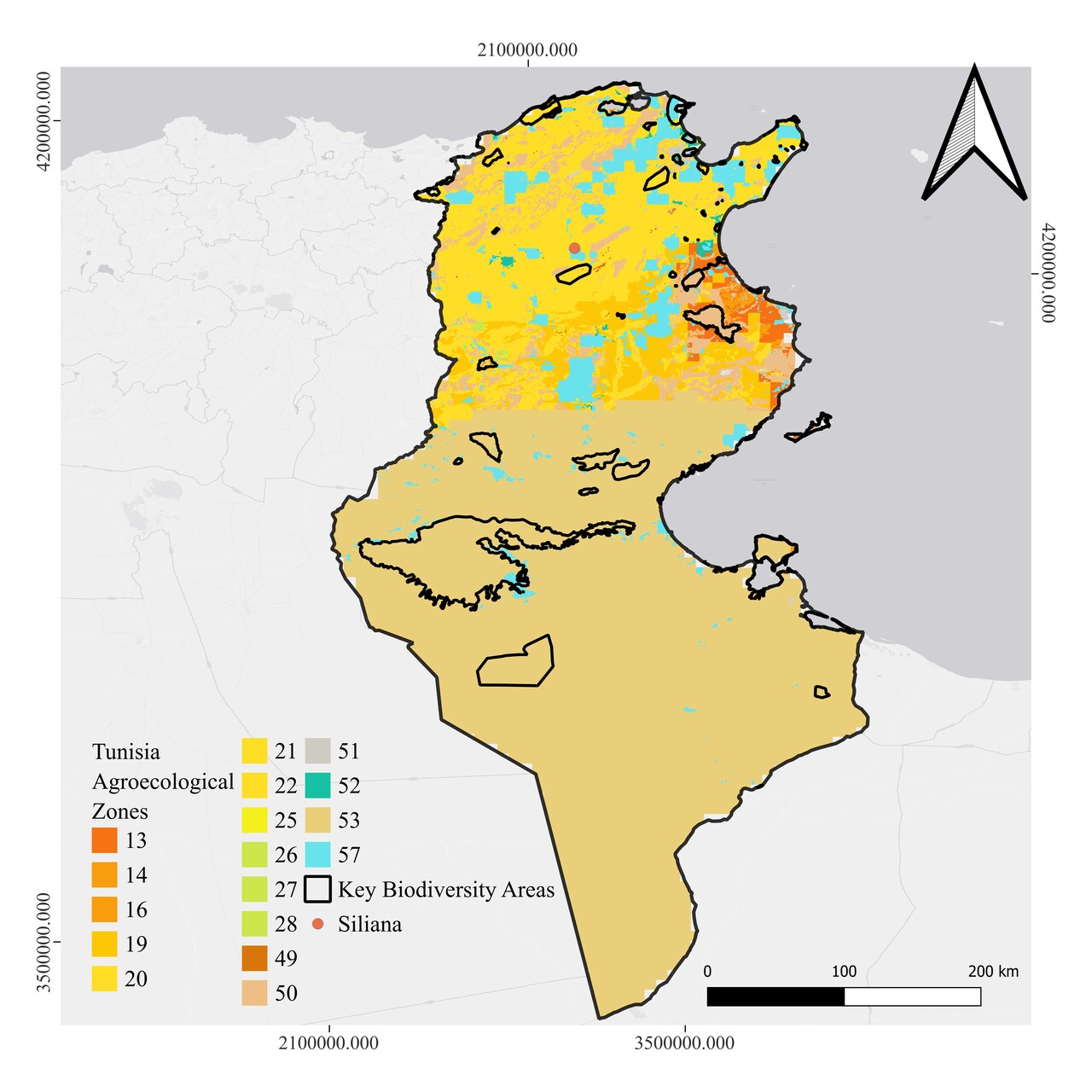
Agro-ecological zones (GAEZ v4) and Key Biodiversity Areas of Tunisia
Legend
| AEZ | Temperature regime | Moisture | Soil/terrain limitations |
|---|---|---|---|
| 1 | Lowland | Semi-arid | Minor limitations |
| 2 | Lowland | Semi-arid | Significant limitations |
| 13 | Warm | Semi-arid | Minor limitations |
| 14 | Warm | Semi-arid | Significant limitations |
| 16 | Warm | Sub-humid | Significant limitations |
| 19 | Moderately cool | Semi-arid | Minor limitations |
| 20 | Moderately cool | Semi-arid | Significant limitations |
| 21 | Moderately cool | Sub-humid | Minor limitations |
| 22 | Moderately cool | Sub-humid | Significant limitations |
| 25 | Cool | Semi-arid | Minor limitations |
| 26 | Cool | Semi-arid | Significant limitations |
| 27 | Cool | Sub-humid | Minor limitations |
| 28 | Cool | Sub-humid | Significant limitations |
| 49 | Very steep terrain | ||
| 50 | Severe soil/terrain limitations | ||
| 51 | Land with ample irrigated soils | ||
| 52 | Dominantly hydromorphic soils | ||
| 53 | Desert/Arid climate | ||
| 56 | Dominantly urban/built up land | ||
| 57 | Dominantly water | ||
- Key Biodiversity Areas
- Siliana Living Lab
Agro-ecological zoning takes into consideration three parameters: the temperature regime, the available moisture in the environment and the restrictions imposed by the soil and/or topography. The temperature regime is a classification based on the prevailing temperatures, with some consideration on the average rainfall, and the temperature growing days (when daily temperatures are conducive to crop growth). Moisture classification is based on the availability of moisture for crop growth and is derived by the number of days where this growth is possible, considering both favourable temperatures and water availability. Soil/terrain restrictions are based on terrain steepness, as well as soil type.
The AEZ classification looks at those parameters without considering specific crops. Therefore, areas belonging to similar agroecological zones are expected to be equally suitable for any specific crop. As a result, any agro-ecological practices that are applied in a particular zone, should be able to be transferred in another area belonging to the same zone classification, using the same crop configuration.
The Siliana living lab is located in the central-north part of the country in a subtropical AEZ, which dominates this region. Most of its crops are rainfed, which is becoming problematic in the recent years due to the variable frequency and intensity of rainfall. Possibility of irrigation can help alleviate the uncertainty and ensure agricultural productivity.
Further results
The simulation outcomes were discussed collectively with local actors during the April 2026 living-lab workshop, using a café-doc format.
No-till sowing
The participatory evaluation showed that farmers’ reluctance to adopt no-till under current conditions reflects local realities. The main issue regarding no-till sowing adoption is the availability of the appropriate machinery (No-till sowing machine). Participants noted that machinery exists, but rental demand during the sowing period limits availability for all farmers. They also noticed that purchasing the machine depends on subsidies due to high cost. They described the shift away from conventional tillage as gradual, often requiring intermediate simplified techniques. Structural issues, especially unmanaged grazing with livestock entering neighbouring fields, make maintaining no-till plots socially and practically challenging.
Overall, the discussion pointed to the absence of a long-term strategy, limited state support, insufficient subsidies and machinery pushing many farmers out of no-till sowing practice.
Forage mixture
Participants considered the forage mixture scenario unrealistic, because it implied a sharp break from long-standing land-use patterns. Even if profitable in the model, they argued that such a transition contradicts agricultural habits shaped over millennia and is unsupported by current institutional arrangements and state inventories.
Intercropping
In the intercropping scenario, farmers viewed the results as uncertain. Large olive-and-fodder farms lack livestock, reducing the value of producing forage mixtures. They also highlighted limited technical knowledge and hesitancy to operate machinery between olive rows. As in other scenarios, the unavailability of forage mixture seeds remains a major barrier. They noted that mixed-fodder straw has lower market value than pure oats, despite higher nutritional quality, partly due to its appearance. Some doubted that diversification or legumes would increase income.
Key message
Throughout the discussion, participants emphasised the need for technical expertise and noted that larger farm areas allow better land and crop diversification, which supports income diversification.