

El-Boghdady
| Area | Leader | Farming system |
|---|---|---|
| AreaLuxor Governorate, Egypt | LeaderCIHEAM-IAMM | Farming systemSugarcane and cereal monoculture, livestock and diversified systems. |
| Main productions and value chains | Main issues | |
| Main productions and value chainsSugarcane and cereal monoculture, livestock and diversified systems. | Main issues Environmental Extreme weather events, droughts, low soil quality, soil salinity. Economic Currency depreciation, market instability, import dependency. Social Malnutrition, poverty, internal conflicts. |
|
General information
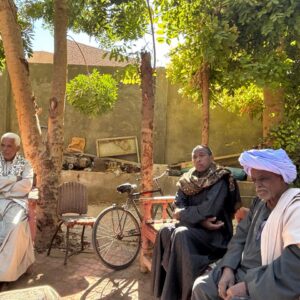
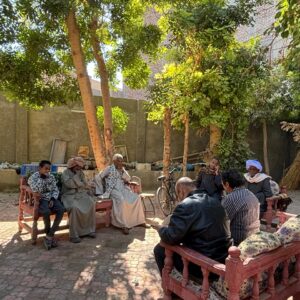
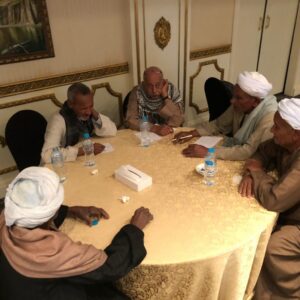
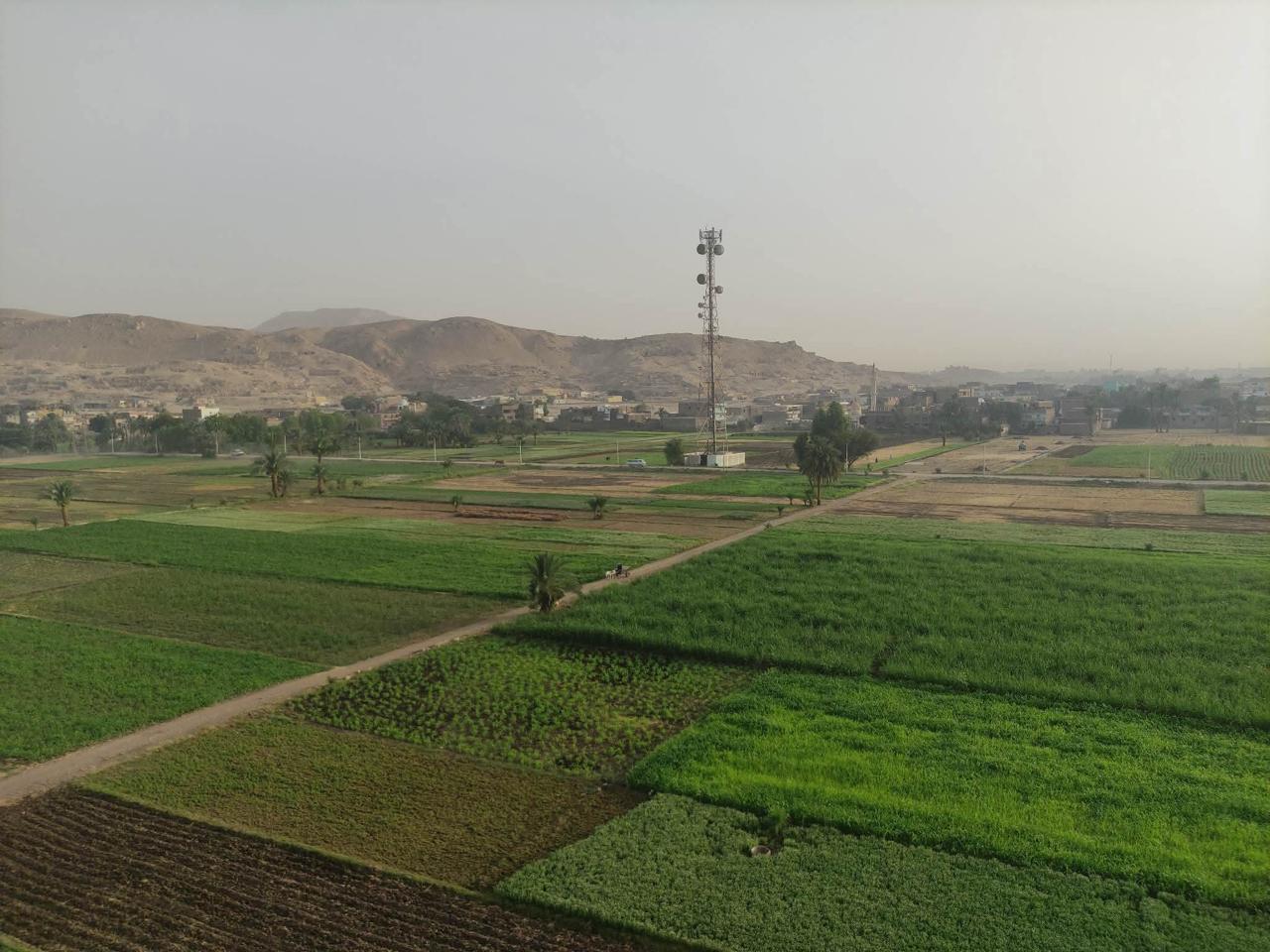
The Living Lab is established in two villages Zanaqutah and El-Boghdady, in Luxor Governorate, Upper Egypt. These capture the full diversity of dominant production systems in the area.
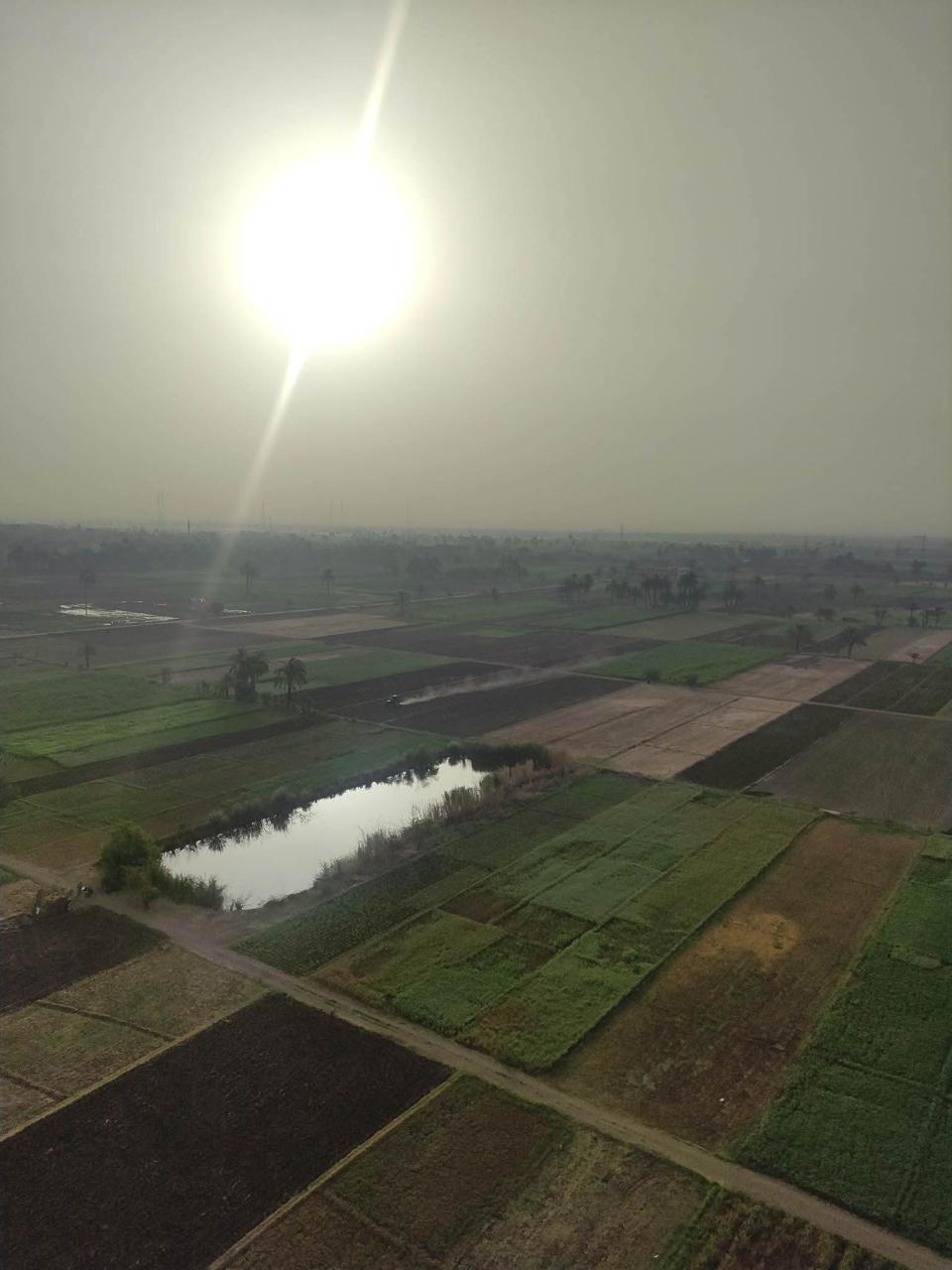
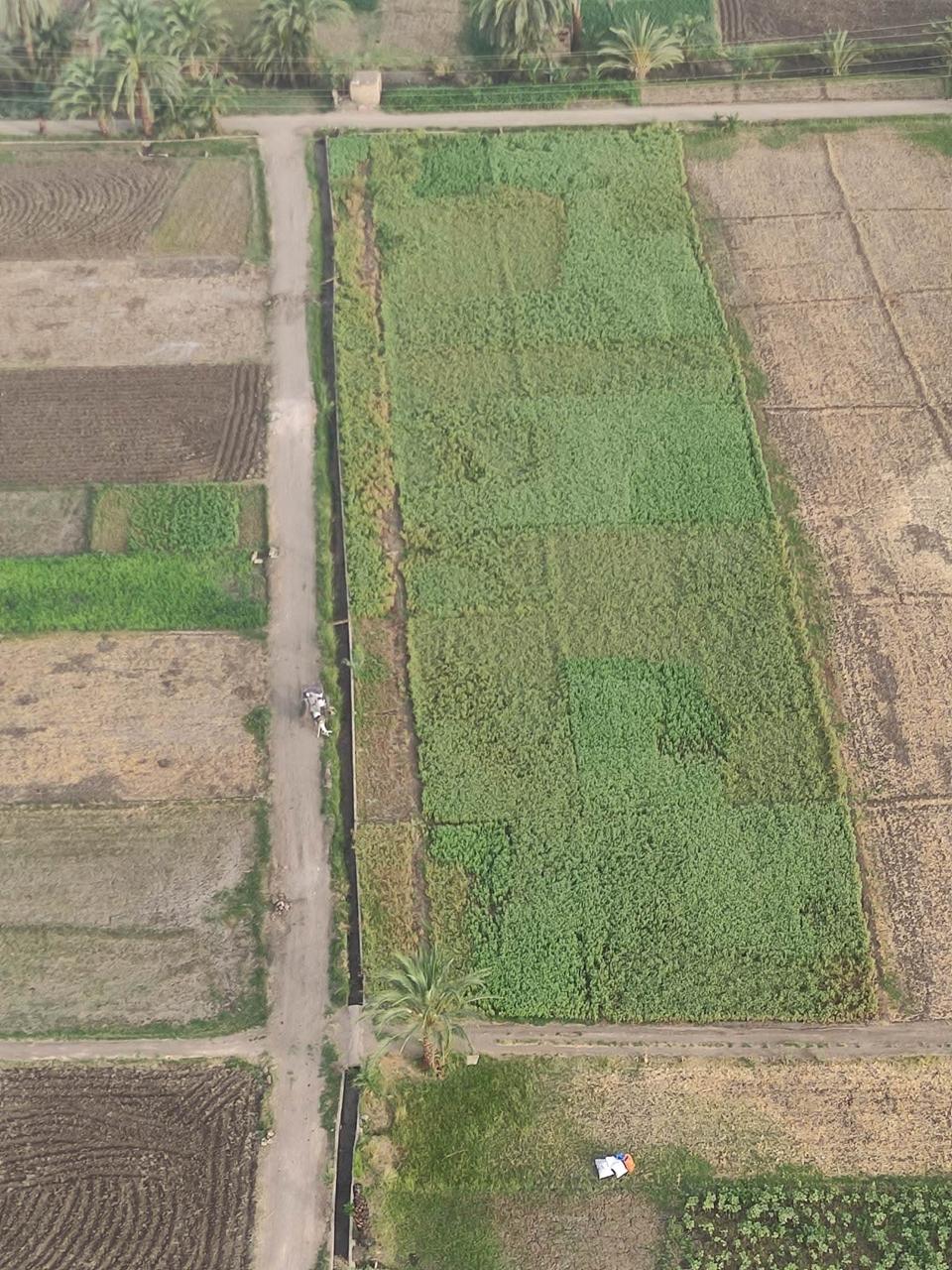
The systems are heavily dominated by monoculture. The primary crops cultivated are sugarcane (which is the main cash crop), wheat, maize, clover and sorghum. Regarding their irrigation the most common technique is flood irrigation that has depleted the underground aquifers and has increased the soil salinity levels.
In the light of these events, the Living Lab is set as a mean to identify context-appropriate agroecological interventions, that take into consideration the unique characteristics of the main production systems in the area. To achieve that, workshops, meetings and participatory activities have taken place, engaging with both farmers and other stakeholders with the overall aim to increase the resilience of the agricultural systems.
Representative Farms
Sugarcane Farms
- 2.04 ha
- ~70% sugarcane
- Contract farming
- Mainly hired labour
Sugarcane farms are specialized systems focusing on maximizing their production. Farmers typically engage in contract farming with sugar and molasses factories, selling the production at a standard by-back price. This results in strong monoculture, with an average area of 2.04 ha, of which around 70% is allocated to sugarcane. A small plot is used for wheat production to be self-consumed, and farmers keep a limited number of large livestock (cows and buffaloes). Labor is mainly hired, especially during the harvesting period. However, despite their intensive production, these systems exhibit the lowest use of phytosanitary products among the identified dominant farm types.
Livestock Farms
- 0.98 ha
- Cows · buffaloes · ruminants · poultry
- Off-farm jobs
- Mainly hired labour
Livestock farms focus on the production of crops as fodder to feed their animals. Their profitability is based on the selling of animal products, while 10%-20% is self-consumed in the household. Farmers often hold secondary off-farm jobs, typically as government officials.
The average land holding is around 0.98 ha, with crop pattern based on wheat, maize, clover and sorghum, with occasionally a small plot of land with sugarcane. Their herds consist of large animals such as cows and buffaloes, alongside 10 to 12 ruminants (sheep or goats) and poultry.
They rely heavily on hired labour, while a 20% of total labour comes from the family.
Diversified Farms
- 1.12 ha
- ~80% self-consumption
- Ruminants · poultry
- 75–80% family labour
Diversified farms focus on the production of various crops to cover the needs of the household. The average holding is around 1.12 ha, consisting of wheat, maize, sorghum and clover. Approximately, 80% of the production is for self-consumption while the remaining 20% is sold to the local market. Regarding livestock, farmers maintain a small number of ruminants and poultry. As for the crops, the animal products are also used for self-consumption with the surplus been sold. For the labour, the farmers rely on average 75-80% on the family, while the rest is hired workers. Overall input use is of medium intensity, but the phytosanitary products are high, reflecting farmers’ efforts to protect crops and ensure a reliable food supply for the household.
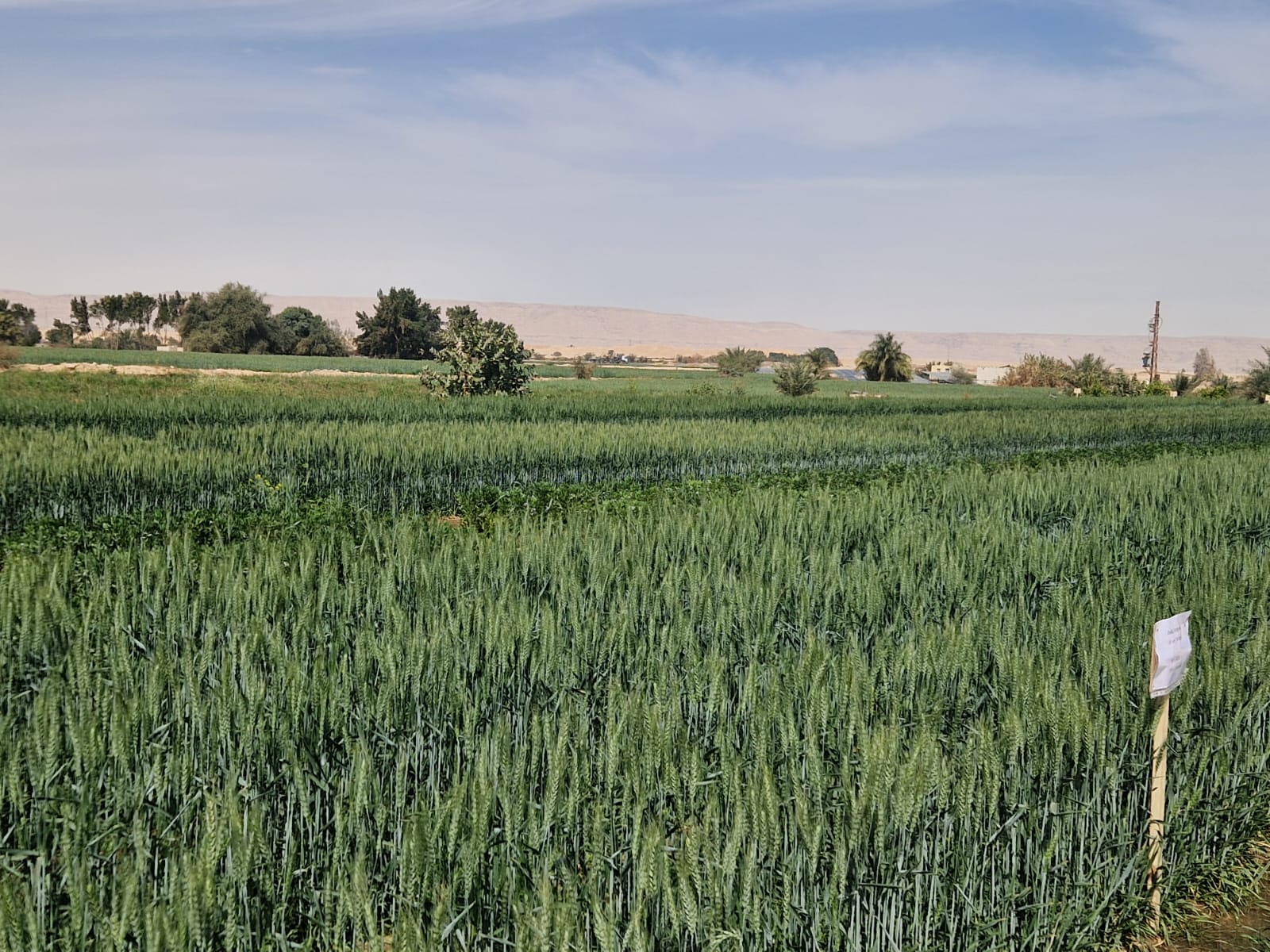
Cereal Farms
- 0.63 ha
- Wheat · maize
- Poultry only
- Family labour only
Cereal Farms are the smaller farms in the LL, with an average land holding size of 0.63 ha. Farmers are primarily focused on covering household needs, with the only source of income being a contract on 5% of the wheat production. The cropping pattern is based on wheat and maize, with occasional small plots of clover. No livestock, apart from poultry, is present which limits household dietary options. Additionally, these farms rely exclusively on family labour to carry out all agricultural activities. Overall, the input use is low, however the use of phytosanitary is high, as farmers seek to protect their crops.
The database will be available soon.
Simulation of agroecological practices and their combinations
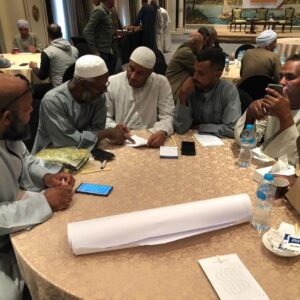
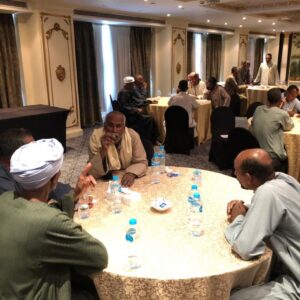
The agroecological transition scenarios were co-designed together with the living labs through workshops that anchored the discussion in the challenges present in their territory. Consequently, they decided which agroecological practices, and which combinations of them, to promote the change in their farming systems. The AEP selection and scenario design comprised two different workshops focusing on the selection of agroecological practices aligned with the local context. First, a farmers’ workshop was conducted to design and select the agroecological practices they were willing to implement in the living lab, grounding the discussion on existing challenges. Subsequently, a representative board’s workshop was conducted, where representative board members examined the selected agroecological practices chosen by farmers, assessed their combinations, and identified additional practices.
| Name |
Climate change adapted varieties and drip irrigation |
|---|---|
| Summary |
Combination of practices: Climate change adapted, yet local, varieties will be used for cereal crops (wheat and maize). These provide resistance against droughts and soil salinity, while ensuring nitrogen absorption. This is coupled with drip changing the current flood irrigation system to drip irrigation |
| Full description |
Most of the crops are cultivated in monoculture intensive systems. These systems are fragile to weather extremes, crop failure and water scarcity. Additionally, there is a yield drop of 6% on average due to climate change. At the same time, the majority of farmers in the LL are using the flood irrigation system, which includes overfilling their plots until the soil reaches saturation. This makes the systems susceptible to increased soil salinity, while in the long run threatens to cause water scarcity. On this, water scarcity in the region is approaching absolute scarcity levels. Therefore, changing to a drip irrigation system, can regulate the amount and efficiency of water use in the agricultural systems. |
| Technical details |
Yield: 25% yield increase Yield variability: reduction by 15% Water use: Reduction by 40% of the current amount used. Fertilizers: There is an increase of 15% in fertilizing inputs, as these varieties require more nutrients to maximize yields. Labor: There is an increase in labour needed, on average 30% Costs: increase by 30% in overall, costs, due to the installation and depreciation of the drip irrigation system and the higher input requirements of the adapted varieties. Hypotheses and Scenario Hypothesis: An in- kind seed subsidy for the adapted varieties, respecting the validated variety map, and a subsidy covering the installation costs of drip irrigation will encourage farmers to adopt both practices despite the higher input and labour costs. A penalty for farmers who do not adopt a sustainable irrigation system, in line with the National Drip Irrigation Initiative, completes the policy package. |
Indicators
Agronomic
| Sugarcane farms | Livestock farms | Diversified farms | Cereal farms | |||||
|---|---|---|---|---|---|---|---|---|
| Scenario | Baseline | Climate change adapted varieties and drip irrigation | Baseline | Climate change adapted varieties and drip irrigation | Baseline | Climate change adapted varieties and drip irrigation | Baseline | Climate change adapted varieties and drip irrigation |
| Farm Size (ha) | Sugarcane farms — Baseline2.04 | Sugarcane farms — Climate change adapted varieties and drip irrigation2.04 | Livestock farms — Baseline0.98 | Livestock farms — Climate change adapted varieties and drip irrigation0.98 | Diversified farms — Baseline1.12 | Diversified farms — Climate change adapted varieties and drip irrigation1.12 | Cereal farms — Baseline0.63 | Cereal farms — Climate change adapted varieties and drip irrigation0.63 |
| Crop Diversity (# of crops) | Sugarcane farms — Baseline3 | Sugarcane farms — Climate change adapted varieties and drip irrigation3 | Livestock farms — Baseline5 | Livestock farms — Climate change adapted varieties and drip irrigation5 | Diversified farms — Baseline4 | Diversified farms — Climate change adapted varieties and drip irrigation4 | Cereal farms — Baseline3 | Cereal farms — Climate change adapted varieties and drip irrigation3 |
| Land Use | Sugarcane farms — Baselinesugarcane (1,42 ha), wheat (0,47 ha), maize (0,17 ha) |
Sugarcane farms — Climate change adapted varieties and drip irrigationsugarcane (1,42 ha), wheat (0,47 ha), maize (0,17 ha) |
Livestock farms — Baselinesugarcane (0,05 ha), wheat (0,47 ha), maize (0,18 ha), sorghum (0,22 ha), clover (0,07) |
Livestock farms — Climate change adapted varieties and drip irrigationsugarcane (0,05 ha), wheat (0,48 ha), maize (0,17 ha), sorghum (0,20 ha), clover (0,09) |
Diversified farms — Baselinewheat (0,85 ha), maize (0,13 ha), sorghum (0,07 ha), clover (0,07) |
Diversified farms — Climate change adapted varieties and drip irrigationwheat (0,88 ha), maize (0,01 ha), sorghum (0,11 ha), clover (0,12) |
Cereal farms — Baselinewheat (0,37 ha), maize (0,15 ha), clover (0,11 ha) |
Cereal farms — Climate change adapted varieties and drip irrigationwheat (0,37 ha), maize (0,18 ha), clover (0,09 ha) |
| Pesticide Use (kg/year/farm) | Sugarcane farms — Baseline6 | Sugarcane farms — Climate change adapted varieties and drip irrigation5.9 | Livestock farms — Baseline0.74 | Livestock farms — Climate change adapted varieties and drip irrigation0.72 | Diversified farms — Baseline0.41 | Diversified farms — Climate change adapted varieties and drip irrigation0.31 | Cereal farms — Baseline0.45 | Cereal farms — Climate change adapted varieties and drip irrigation0.48 |
| Fertilizer Use (kg/year/farm) | Sugarcane farms — Baseline850 | Sugarcane farms — Climate change adapted varieties and drip irrigation821 | Livestock farms — Baseline290 | Livestock farms — Climate change adapted varieties and drip irrigation271 | Diversified farms — Baseline249 | Diversified farms — Climate change adapted varieties and drip irrigation384 | Cereal farms — Baseline169 | Cereal farms — Climate change adapted varieties and drip irrigation246 |
| Nitrogen Leaching (kg/year/farm) | Sugarcane farms — Baseline85 | Sugarcane farms — Climate change adapted varieties and drip irrigation82 | Livestock farms — Baseline29 | Livestock farms — Climate change adapted varieties and drip irrigation27 | Diversified farms — Baseline36.8 | Diversified farms — Climate change adapted varieties and drip irrigation38.4 | Cereal farms — Baseline24.9 | Cereal farms — Climate change adapted varieties and drip irrigation24.6 |
Socio-economic
| Sugarcane farms | Livestock farms | Diversified farms | Cereal farms | |||||
|---|---|---|---|---|---|---|---|---|
| Scenario | Baseline | Climate change adapted varieties and drip irrigation | Baseline | Climate change adapted varieties and drip irrigation | Baseline | Climate change adapted varieties and drip irrigation | Baseline | Climate change adapted varieties and drip irrigation |
| Total Farm Income (EGP/year/farm) | Sugarcane farms — Baseline5898 | Sugarcane farms — Climate change adapted varieties and drip irrigation6258 | Livestock farms — Baseline24355 | Livestock farms — Climate change adapted varieties and drip irrigation24620 | Diversified farms — Baseline3060 | Diversified farms — Climate change adapted varieties and drip irrigation3754 | Cereal farms — Baseline488.5 | Cereal farms — Climate change adapted varieties and drip irrigation655 |
| Costs (EGP/year/farm) | Sugarcane farms — Baseline3104 | Sugarcane farms — Climate change adapted varieties and drip irrigation3305 | Livestock farms — Baseline21428 | Livestock farms — Climate change adapted varieties and drip irrigation21533 | Diversified farms — Baseline1161 | Diversified farms — Climate change adapted varieties and drip irrigation1522 | Cereal farms — Baseline59 | Cereal farms — Climate change adapted varieties and drip irrigation61 |
| Labour (person-day/year/farm) | Sugarcane farms — Baseline796 | Sugarcane farms — Climate change adapted varieties and drip irrigation840 | Livestock farms — Baseline186 | Livestock farms — Climate change adapted varieties and drip irrigation279 | Diversified farms — Baseline152 | Diversified farms — Climate change adapted varieties and drip irrigation210 | Cereal farms — Baseline72 | Cereal farms — Climate change adapted varieties and drip irrigation86 |
| Name |
Climate adapted varieties and raised bed cultivation |
|---|---|
| Summary |
Combination of climate adapted, yet local, varieties of wheat and maize with the cultivation of the crops on elevated plots of land. The raised beds protect the fields from soil erosion, retain water for longer and improve water use efficiency. |
| Full description |
Raised bed cultivation already is used by a small share of farmers in the area, but it was not initially perceived as an agroecological practice. During the participatory activities, the comparison between the farmers who apply it and those who do not was informative enough for the practice to be added to the mix of practices, following the insights of experts and the available literature. Raised beds protect the fields from soil erosion, maintain the water in the soil for longer and improve water use efficiency. |
| Technical details |
Yield: Increase by 30%. Yield variability: Reduction by 15%. Water use: Reduction by 25% of the current amount used. Water use efficiency: Increase by 74%. Labour: Increase by 40%. Costs: Increase by 30%. Hypothesis and scenario hypothesis: In kind seed subsidy for the climate adapted varieties together with public assistance for levelling the land and making the beds will encourage farmers to adopt raised bed cultivation with the adapted varieties. |
Indicators
Agronomic
| Sugarcane farms | Livestock farms | Diversified farms | Cereal farms | |||||
|---|---|---|---|---|---|---|---|---|
| Scenario | Baseline | Climate adapted varieties and raised bed cultivation | Baseline | Climate adapted varieties and raised bed cultivation | Baseline | Climate adapted varieties and raised bed cultivation | Baseline | Climate adapted varieties and raised bed cultivation |
| Farm Size (ha) | Sugarcane farms — Baseline2.04 | Sugarcane farms — Climate adapted varieties and raised bed cultivation2.04 | Livestock farms — Baseline0.98 | Livestock farms — Climate adapted varieties and raised bed cultivation0.98 | Diversified farms — Baseline1.12 | Diversified farms — Climate adapted varieties and raised bed cultivation1.12 | Cereal farms — Baseline0.63 | Cereal farms — Climate adapted varieties and raised bed cultivation0.63 |
| Crop Diversity (# of crops) | Sugarcane farms — Baseline3 | Sugarcane farms — Climate adapted varieties and raised bed cultivation3 | Livestock farms — Baseline5 | Livestock farms — Climate adapted varieties and raised bed cultivation5 | Diversified farms — Baseline4 | Diversified farms — Climate adapted varieties and raised bed cultivation4 | Cereal farms — Baseline3 | Cereal farms — Climate adapted varieties and raised bed cultivation3 |
| Land Use | Sugarcane farms — Baselinesugarcane (1,42 ha), wheat (0,47 ha), maize (0,17 ha) |
Sugarcane farms — Climate adapted varieties and raised bed cultivationsugarcane (1,42 ha), wheat (0,49 ha), maize (0,15 ha) |
Livestock farms — Baselinesugarcane (0,05 ha), wheat (0,47 ha), maize (0,18 ha), sorghum (0,22 ha), clover (0,07) |
Livestock farms — Climate adapted varieties and raised bed cultivationsugarcane (0,05 ha), wheat (0,49 ha), maize (0,15 ha), sorghum (0,20 ha), clover (0,09) |
Diversified farms — Baselinewheat (0,85 ha), maize (0,13 ha), sorghum (0,07 ha), clover (0,07) |
Diversified farms — Climate adapted varieties and raised bed cultivationwheat (0,88 ha), maize (0,01 ha), sorghum (0,12 ha), clover (0,11) |
Cereal farms — Baselinewheat (0,37 ha), maize (0,15 ha), clover (0,11 ha) |
Cereal farms — Climate adapted varieties and raised bed cultivationwheat (0,36 ha), maize (0,18 ha), clover (0,09 ha) |
| Pesticide Use (kg/year/farm) | Sugarcane farms — Baseline6 | Sugarcane farms — Climate adapted varieties and raised bed cultivation5.93 | Livestock farms — Baseline0.74 | Livestock farms — Climate adapted varieties and raised bed cultivation0.73 | Diversified farms — Baseline0.41 | Diversified farms — Climate adapted varieties and raised bed cultivation0.32 | Cereal farms — Baseline0.45 | Cereal farms — Climate adapted varieties and raised bed cultivation0.49 |
| Fertilizer Use (kg/year/farm) | Sugarcane farms — Baseline850 | Sugarcane farms — Climate adapted varieties and raised bed cultivation862 | Livestock farms — Baseline290 | Livestock farms — Climate adapted varieties and raised bed cultivation323 | Diversified farms — Baseline249 | Diversified farms — Climate adapted varieties and raised bed cultivation344 | Cereal farms — Baseline169 | Cereal farms — Climate adapted varieties and raised bed cultivation246 |
| Nitrogen Leaching (kg/year/farm) | Sugarcane farms — Baseline85 | Sugarcane farms — Climate adapted varieties and raised bed cultivation86.3 | Livestock farms — Baseline29 | Livestock farms — Climate adapted varieties and raised bed cultivation32.3 | Diversified farms — Baseline36.8 | Diversified farms — Climate adapted varieties and raised bed cultivation34.4 | Cereal farms — Baseline24.9 | Cereal farms — Climate adapted varieties and raised bed cultivation24.6 |
Socio-economic
| Sugarcane farms | Livestock farms | Diversified farms | Cereal farms | |||||
|---|---|---|---|---|---|---|---|---|
| Scenario | Baseline | Climate adapted varieties and raised bed cultivation | Baseline | Climate adapted varieties and raised bed cultivation | Baseline | Climate adapted varieties and raised bed cultivation | Baseline | Climate adapted varieties and raised bed cultivation |
| Total Farm Income (EGP/year/farm) | Sugarcane farms — Baseline5898 | Sugarcane farms — Climate adapted varieties and raised bed cultivation6258 | Livestock farms — Baseline24355 | Livestock farms — Climate adapted varieties and raised bed cultivation24591 | Diversified farms — Baseline3060 | Diversified farms — Climate adapted varieties and raised bed cultivation3803 | Cereal farms — Baseline488.5 | Cereal farms — Climate adapted varieties and raised bed cultivation655.3 |
| Costs (EGP/year/farm) | Sugarcane farms — Baseline3104 | Sugarcane farms — Climate adapted varieties and raised bed cultivation3319 | Livestock farms — Baseline21428 | Livestock farms — Climate adapted varieties and raised bed cultivation21452 | Diversified farms — Baseline1161 | Diversified farms — Climate adapted varieties and raised bed cultivation1575 | Cereal farms — Baseline59 | Cereal farms — Climate adapted varieties and raised bed cultivation62 |
| Labour (person-day/year/farm) | Sugarcane farms — Baseline796 | Sugarcane farms — Climate adapted varieties and raised bed cultivation825 | Livestock farms — Baseline186 | Livestock farms — Climate adapted varieties and raised bed cultivation251 | Diversified farms — Baseline152 | Diversified farms — Climate adapted varieties and raised bed cultivation207 | Cereal farms — Baseline72 | Cereal farms — Climate adapted varieties and raised bed cultivation90 |
| Name |
New sugarcane cultivars |
|---|---|
| Summary |
Replacing the current sugarcane planting material with seedlings. The cultivation period is shortened by three months, which frees a window for an additional subsistence crop. The practice applies to the sugarcane farms and the livestock farms. |
| Full description |
Sugarcane is traditionally cultivated with cuttings offered to the farmers by the public factories, which by back the production at a standard price. Changing the planting material to seedlings allows for a shorter cultivation period without compromising the yield. Based on expert input, farmers can use this three-month window to cultivate a subsistence crop. |
| Technical details |
Seeds: Increase by 50%. Labour: Increase 20% for the new crop addition. Inputs and water: Increase in inputs and water due to the additional crop. Hypothesis and scenario hypothesis: The cultivation of sugarcane is strongly supported by the local public factories, which provide the cuttings and buy back the production at a standard price. The diffusion of the seedlings is expected to follow the same channel, with the seed material provided by the public factories. |
Indicators
Agronomic
| Sugarcane farms | Livestock farms | |||
|---|---|---|---|---|
| Scenario | Baseline | New sugarcane cultivars | Baseline | New sugarcane cultivars |
| Farm Size (ha) | Sugarcane farms — Baseline2.04 | Sugarcane farms — New sugarcane cultivars2.04 | Livestock farms — Baseline0.98 | Livestock farms — New sugarcane cultivars0.98 |
| Crop Diversity (# of crops) | Sugarcane farms — Baseline3 | Sugarcane farms — New sugarcane cultivars3 | Livestock farms — Baseline5 | Livestock farms — New sugarcane cultivars5 |
| Land Use | Sugarcane farms — Baselinesugarcane (1,42 ha), wheat (0,47 ha), maize (0,17 ha) |
Sugarcane farms — New sugarcane cultivarssugarcane (1,42 ha), wheat (0,50 ha), maize (0,14 ha) |
Livestock farms — Baselinesugarcane (0,05 ha), wheat (0,47 ha), maize (0,18 ha), sorghum (0,22 ha), clover (0,07) |
Livestock farms — New sugarcane cultivarssugarcane (0,05 ha), wheat (0,48 ha), maize (0,16 ha), sorghum (0,21 ha), clover (0,08) |
| Pesticide Use (kg/year/farm) | Sugarcane farms — Baseline6 | Sugarcane farms — New sugarcane cultivars5.9 | Livestock farms — Baseline0.74 | Livestock farms — New sugarcane cultivars0.71 |
| Fertilizer Use (kg/year/farm) | Sugarcane farms — Baseline850 | Sugarcane farms — New sugarcane cultivars862 | Livestock farms — Baseline290 | Livestock farms — New sugarcane cultivars272 |
| Nitrogen Leaching (kg/year/farm) | Sugarcane farms — Baseline85 | Sugarcane farms — New sugarcane cultivars82.7 | Livestock farms — Baseline29 | Livestock farms — New sugarcane cultivars27 |
Socio-economic
| Sugarcane farms | Livestock farms | |||
|---|---|---|---|---|
| Scenario | Baseline | New sugarcane cultivars | Baseline | New sugarcane cultivars |
| Total Farm Income (EGP/year/farm) | Sugarcane farms — Baseline5898 | Sugarcane farms — New sugarcane cultivars5890 | Livestock farms — Baseline24355 | Livestock farms — New sugarcane cultivars24373 |
| Costs (EGP/year/farm) | Sugarcane farms — Baseline3104 | Sugarcane farms — New sugarcane cultivars3201 | Livestock farms — Baseline21428 | Livestock farms — New sugarcane cultivars21543 |
| Labour (person-day/year/farm) | Sugarcane farms — Baseline796 | Sugarcane farms — New sugarcane cultivars828 | Livestock farms — Baseline186 | Livestock farms — New sugarcane cultivars279 |
| Name |
Climate adapted varieties, drip irrigation and raised bed cultivation |
|---|---|
| Summary |
Combination of the three practices as a package. Climate adapted varieties of wheat and maize are cultivated on raised bed and irrigated with drip irrigation system instead of flood irrigation. |
| Full description |
The combination of practices tested in this case are expected to improve the overall performance of the farms. During the participatory workshop the farmers expressed their concern over the potential trade-offs of using drip irrigation and raised bed cultivation at the same time. The goal is to test the feasibility and performance of their combined impact. |
| Technical details |
Yield: Increase by 60%. Yield variability: Reduction by 20%. Water use: Reduction by 65%. Labour: Increase by 50%. Costs: Increase by 50%. Hypothesis and scenario hypothesis: An in-kind subsidy for the adapted varieties and a subsidy for the installation costs of drip irrigation, combined with a penalty for farmers who do not adopt a sustainable irrigation system (National Drip Irrigation Initiative), will encourage farmers to adopt the full package despite the higher costs and labour needs. |
Indicators
Agronomic
| Sugarcane farms | Livestock farms | Diversified farms | Cereal farms | |||||
|---|---|---|---|---|---|---|---|---|
| Scenario | Baseline | Climate adapted varieties, drip irrigation and raised bed cultivation | Baseline | Climate adapted varieties, drip irrigation and raised bed cultivation | Baseline | Climate adapted varieties, drip irrigation and raised bed cultivation | Baseline | Climate adapted varieties, drip irrigation and raised bed cultivation |
| Farm Size (ha) | Sugarcane farms — Baseline2.04 | Sugarcane farms — Climate adapted varieties, drip irrigation and raised bed cultivation2.04 | Livestock farms — Baseline0.98 | Livestock farms — Climate adapted varieties, drip irrigation and raised bed cultivation0.98 | Diversified farms — Baseline1.12 | Diversified farms — Climate adapted varieties, drip irrigation and raised bed cultivation1.12 | Cereal farms — Baseline0.63 | Cereal farms — Climate adapted varieties, drip irrigation and raised bed cultivation0.63 |
| Crop Diversity (# of crops) | Sugarcane farms — Baseline3 | Sugarcane farms — Climate adapted varieties, drip irrigation and raised bed cultivation3 | Livestock farms — Baseline5 | Livestock farms — Climate adapted varieties, drip irrigation and raised bed cultivation5 | Diversified farms — Baseline4 | Diversified farms — Climate adapted varieties, drip irrigation and raised bed cultivation4 | Cereal farms — Baseline3 | Cereal farms — Climate adapted varieties, drip irrigation and raised bed cultivation3 |
| Land Use | Sugarcane farms — Baselinesugarcane (1,42 ha), wheat (0,47 ha), maize (0,17 ha) |
Sugarcane farms — Climate adapted varieties, drip irrigation and raised bed cultivationsugarcane (1,42 ha), wheat (0,49 ha), maize (0,15 ha) |
Livestock farms — Baselinesugarcane (0,05 ha), wheat (0,47 ha), maize (0,18 ha), sorghum (0,22 ha), clover (0,07) |
Livestock farms — Climate adapted varieties, drip irrigation and raised bed cultivationsugarcane (0,05 ha), wheat (0,51 ha), maize (0,14 ha), sorghum (0,21 ha), clover (0,10) |
Diversified farms — Baselinewheat (0,85 ha), maize (0,13 ha), sorghum (0,07 ha), clover (0,07) |
Diversified farms — Climate adapted varieties, drip irrigation and raised bed cultivationwheat (0,44 ha), maize (0,54 ha), sorghum (0,11 ha), clover (0,03) |
Cereal farms — Baselinewheat (0,37 ha), maize (0,15 ha), clover (0,11 ha) |
Cereal farms — Climate adapted varieties, drip irrigation and raised bed cultivationwheat (0,37 ha), maize (0,20 ha), clover (0,06) |
| Pesticide Use (kg/year/farm) | Sugarcane farms — Baseline6 | Sugarcane farms — Climate adapted varieties, drip irrigation and raised bed cultivation5.92 | Livestock farms — Baseline0.74 | Livestock farms — Climate adapted varieties, drip irrigation and raised bed cultivation0.71 | Diversified farms — Baseline0.41 | Diversified farms — Climate adapted varieties, drip irrigation and raised bed cultivation0.31 | Cereal farms — Baseline0.45 | Cereal farms — Climate adapted varieties, drip irrigation and raised bed cultivation0.52 |
| Fertilizer Use (kg/year/farm) | Sugarcane farms — Baseline850 | Sugarcane farms — Climate adapted varieties, drip irrigation and raised bed cultivation849 | Livestock farms — Baseline290 | Livestock farms — Climate adapted varieties, drip irrigation and raised bed cultivation318 | Diversified farms — Baseline249 | Diversified farms — Climate adapted varieties, drip irrigation and raised bed cultivation369 | Cereal farms — Baseline169 | Cereal farms — Climate adapted varieties, drip irrigation and raised bed cultivation239 |
| Nitrogen Leaching (kg/year/farm) | Sugarcane farms — Baseline85 | Sugarcane farms — Climate adapted varieties, drip irrigation and raised bed cultivation84.9 | Livestock farms — Baseline29 | Livestock farms — Climate adapted varieties, drip irrigation and raised bed cultivation28.7 | Diversified farms — Baseline36.8 | Diversified farms — Climate adapted varieties, drip irrigation and raised bed cultivation36.9 | Cereal farms — Baseline24.9 | Cereal farms — Climate adapted varieties, drip irrigation and raised bed cultivation23.9 |
Socio-economic
| Sugarcane farms | Livestock farms | Diversified farms | Cereal farms | |||||
|---|---|---|---|---|---|---|---|---|
| Scenario | Baseline | Climate adapted varieties, drip irrigation and raised bed cultivation | Baseline | Climate adapted varieties, drip irrigation and raised bed cultivation | Baseline | Climate adapted varieties, drip irrigation and raised bed cultivation | Baseline | Climate adapted varieties, drip irrigation and raised bed cultivation |
| Total Farm Income (EGP/year/farm) | Sugarcane farms — Baseline5898 | Sugarcane farms — Climate adapted varieties, drip irrigation and raised bed cultivation6421 | Livestock farms — Baseline24355 | Livestock farms — Climate adapted varieties, drip irrigation and raised bed cultivation24838 | Diversified farms — Baseline3060 | Diversified farms — Climate adapted varieties, drip irrigation and raised bed cultivation4058 | Cereal farms — Baseline488.5 | Cereal farms — Climate adapted varieties, drip irrigation and raised bed cultivation844.5 |
| Costs (EGP/year/farm) | Sugarcane farms — Baseline3104 | Sugarcane farms — Climate adapted varieties, drip irrigation and raised bed cultivation3284 | Livestock farms — Baseline21428 | Livestock farms — Climate adapted varieties, drip irrigation and raised bed cultivation21448 | Diversified farms — Baseline1161 | Diversified farms — Climate adapted varieties, drip irrigation and raised bed cultivation1409 | Cereal farms — Baseline59 | Cereal farms — Climate adapted varieties, drip irrigation and raised bed cultivation62 |
| Labour (person-day/year/farm) | Sugarcane farms — Baseline796 | Sugarcane farms — Climate adapted varieties, drip irrigation and raised bed cultivation891 | Livestock farms — Baseline186 | Livestock farms — Climate adapted varieties, drip irrigation and raised bed cultivation366 | Diversified farms — Baseline152 | Diversified farms — Climate adapted varieties, drip irrigation and raised bed cultivation263 | Cereal farms — Baseline72 | Cereal farms — Climate adapted varieties, drip irrigation and raised bed cultivation125 |
Agroecological zones
Agroecological zones (GAEZ v4) and Key Biodiversity Areas of Egypt
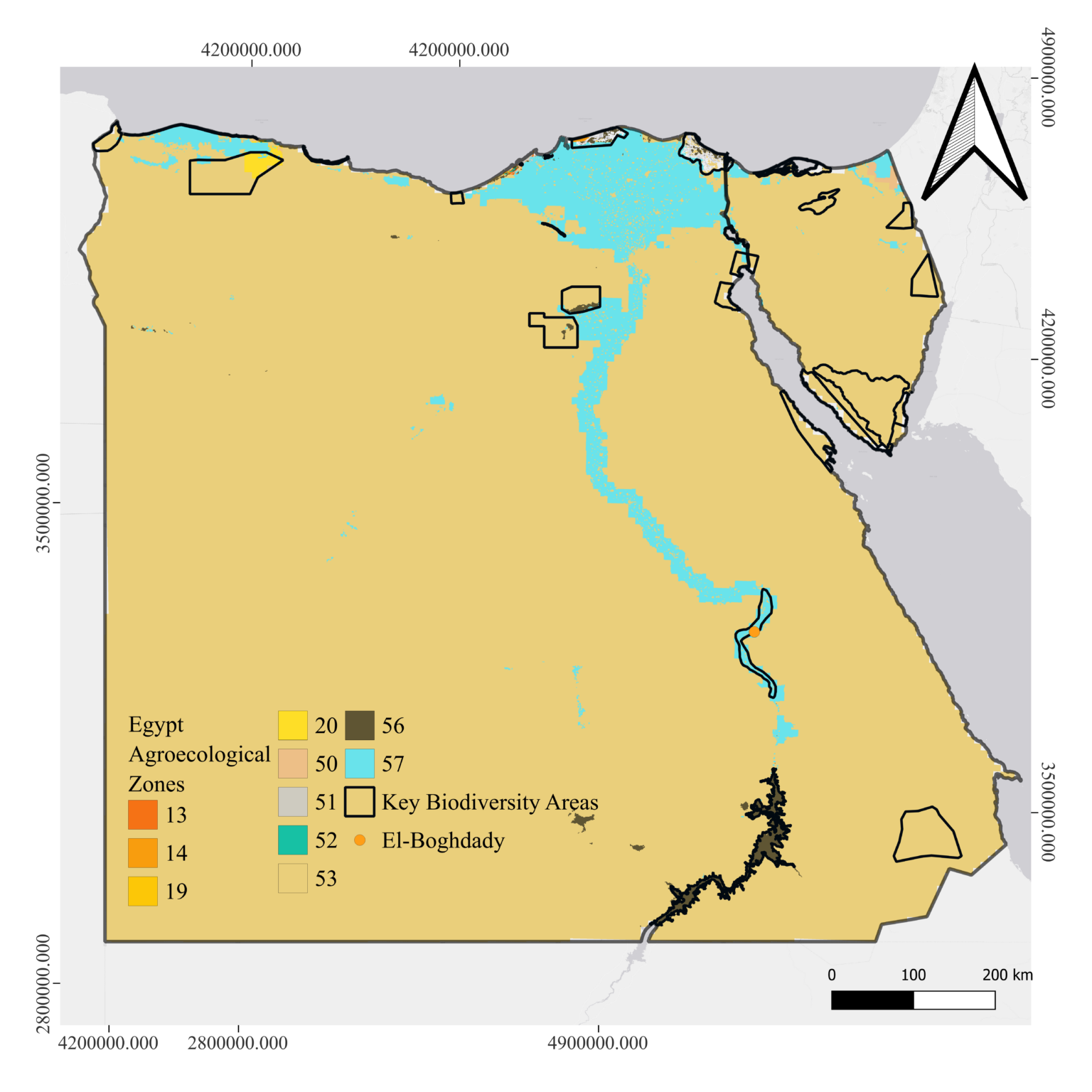
Legend
| AEZ | Temperature regime | Moisture | Soil/terrain limitations |
|---|---|---|---|
| 1 | Lowland | Semi-arid | Minor limitations |
| 2 | Lowland | Semi-arid | Significant limitations |
| 13 | Warm | Semi-arid | Minor limitations |
| 14 | Warm | Semi-arid | Significant limitations |
| 16 | Warm | Sub-humid | Significant limitations |
| 19 | Moderately cool | Semi-arid | Minor limitations |
| 20 | Moderately cool | Semi-arid | Significant limitations |
| 21 | Moderately cool | Sub-humid | Minor limitations |
| 22 | Moderately cool | Sub-humid | Significant limitations |
| 25 | Cool | Semi-arid | Minor limitations |
| 26 | Cool | Semi-arid | Significant limitations |
| 27 | Cool | Sub-humid | Minor limitations |
| 28 | Cool | Sub-humid | Significant limitations |
| 49 | Very steep terrain | ||
| 50 | Severe soil/terrain limitations | ||
| 51 | Land with ample irrigated soils | ||
| 52 | Dominantly hydromorphic soils | ||
| 53 | Desert/Arid climate | ||
| 56 | Dominantly urban/built up land | ||
| 57 | Dominantly water | ||
- Key Biodiversity Areas
- El-Boghdady Living Lab
Agro-ecological zoning takes into consideration three parameters: the temperature regime, the available moisture in the environment and the restrictions imposed by the soil and/or topography. The temperature regime is a classification based on the prevailing temperatures, with some consideration on the average rainfall, and the temperature growing days (when daily temperatures are conducive to crop growth). Moisture classification is based on the availability of moisture for crop growth and is derived by the number of days where this growth is possible, considering both favourable temperatures and water availability. Soil/terrain restrictions are based on terrain steepness, as well as soil type.
The AEZ classification looks at those parameters without considering specific crops. Therefore, areas belonging to similar agroecological zones are expected to be equally suitable for any specific crop. As a result, any agro-ecological practices that are applied in a particular zone, should be able to be transferred in another area belonging to the same zone classification, using the same crop configuration.
The El-Boghdady living lab is found on the Nile River, on AEZ #57 (dominantly inland water), since it is crucial for the irrigation of the crops. This categorization is due to the presence of water on the Nile, but the adjacent area is classified as desert, where cultivation is next to impossible, unless significantly intense irrigation is applied. However, the Nile can easily provide irrigation to lands in its immediate vicinity. As a result, any AEPs employed in that LL could be disseminated on areas near the Nile and its delta.
Further results
Several factors determine whether the farms of the Living Lab can adopt the practices.
Economic incentive
First, the economic incentive differs between farm types. The combinations with climate change adapted varieties raise income most on the cereal farms (+34% to +73%) and the diversified farms (+23% to +33%), which grow mainly wheat and maize. Sugarcane and livestock farms gain between 1% and 9%, since most of their land is under sugarcane or fodder crops. The new sugarcane cultivars leave the income almost unchanged.
Labour
Second, labour is a key constraint. All combinations require more labour, up to +97% on the livestock farms and +74% on the diversified and cereal farms with the full package of adapted varieties, drip irrigation and raised beds. Sugarcane and livestock farm rely mainly on hired labour, and cereal farms only on family labour, so the availability and cost of labour will strongly affect adoption.
Investment and input costs
Third, the investment and input costs. Drip irrigation and raised beds require installation and land levelling, and the adapted varieties need more fertiliser, with fertiliser use rising by up to 54% on the diversified farms and 46% on the cereal farms. For this reason, farmers and the representative board identified a policy package to support adoption. It includes an in-kind seed subsidy for the adapted varieties, a subsidy covering the installation of drip irrigation, public assistance for land levelling and bed making, and a penalty for farmers who keep a non-sustainable irrigation system, in line with the National Drip Irrigation Initiative.
Existing institutions
Fourth, the existing institutions. Sugarcane is grown under contract with the public factories, which provide the cuttings and buy back the production at a standard price. The diffusion of seedlings is expected to follow the same channel, which makes this practice easier to scale.
Farmers’ perception
Finally, the perception of the farmers. Raised beds cultivation was added to the scenarios after the participants expressed concern over the possible trade-offs of combining drip irrigation with raised beds. Demonstration plots and exchanges between farmers can therefore play an important role in the adoption of the practices.