
Atlas Platform

El-Boghdady
Area Leader Farming system
Luxor Governorate, Egypt CIHEAM IAMM Sugarcane and cereal monoculture, livestock and diversified systems
Main productions and value chains Main issues
Sugarcane and cereal monoculture, livestock and diversified systems. Environmental: Extreme weather events, droughts, low soil quality, soil salinity Economic: currency depreciation, market instability, import dependency Social: malnutrition, poverty, internal conflicts
General information
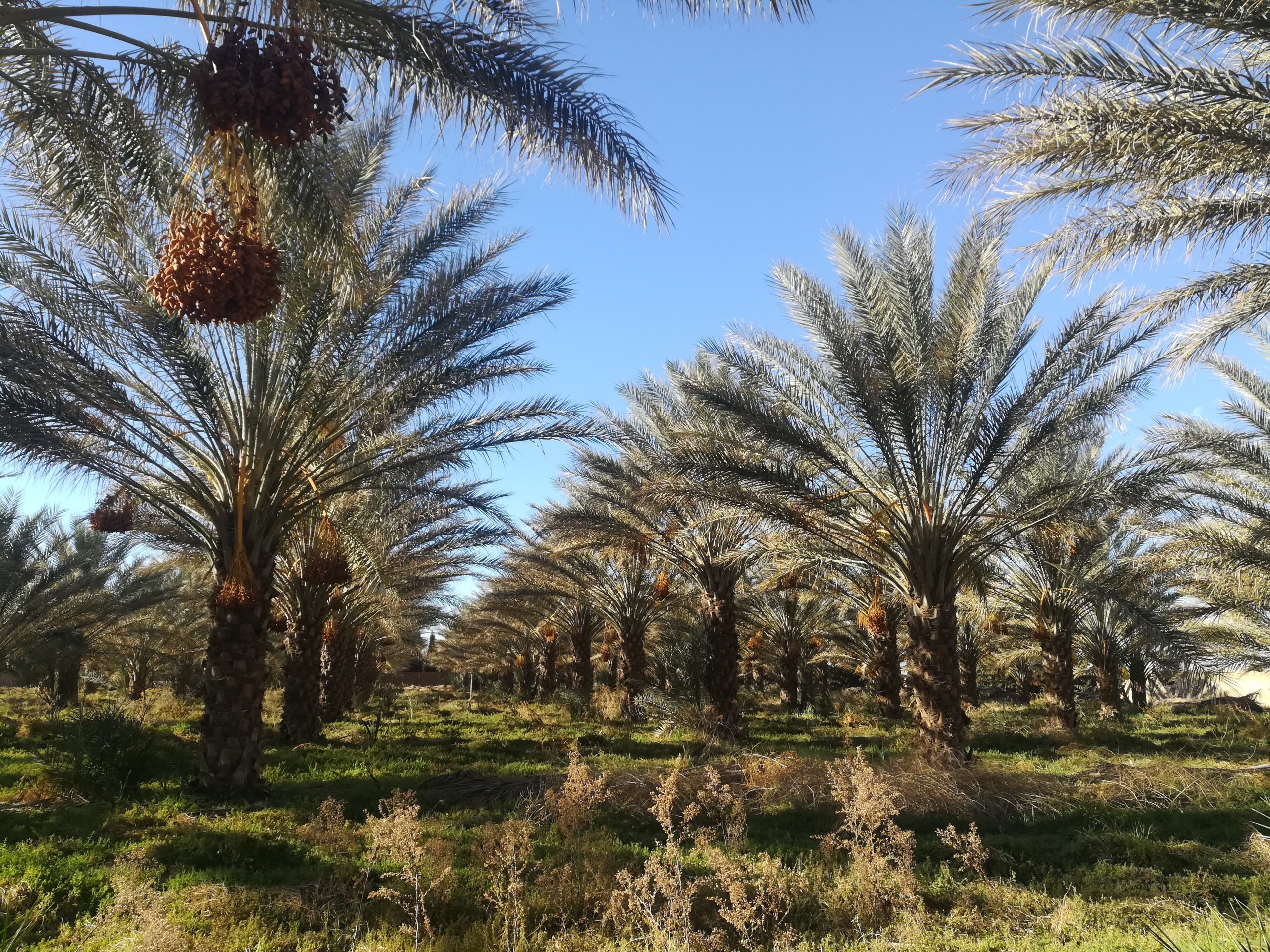
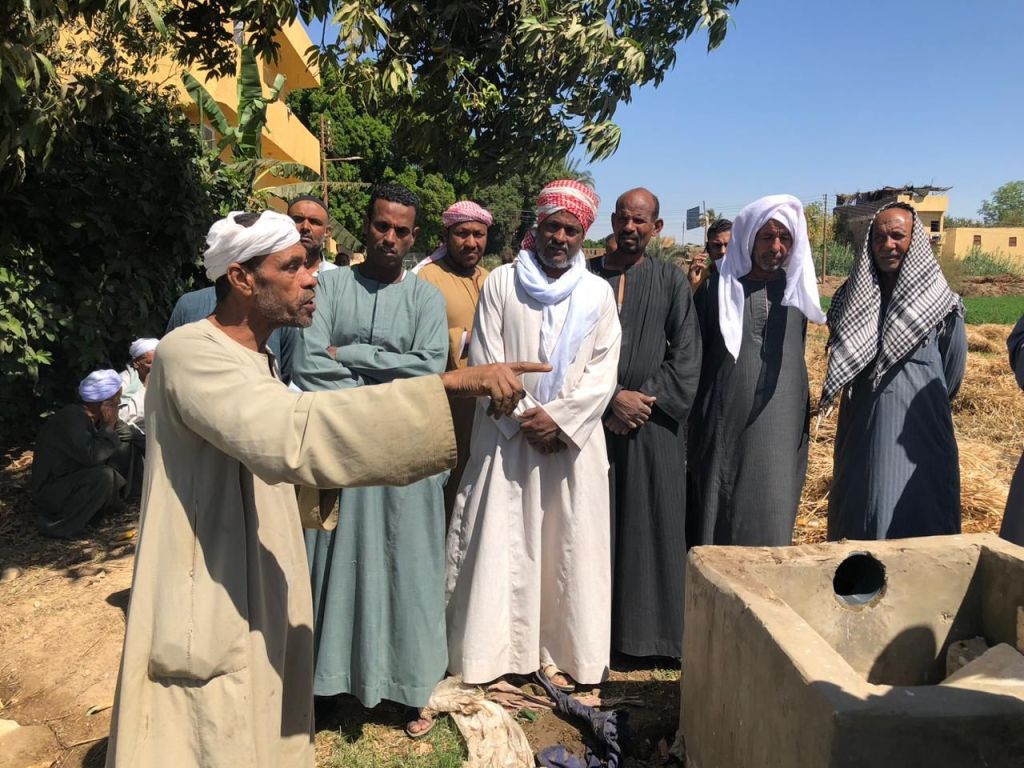
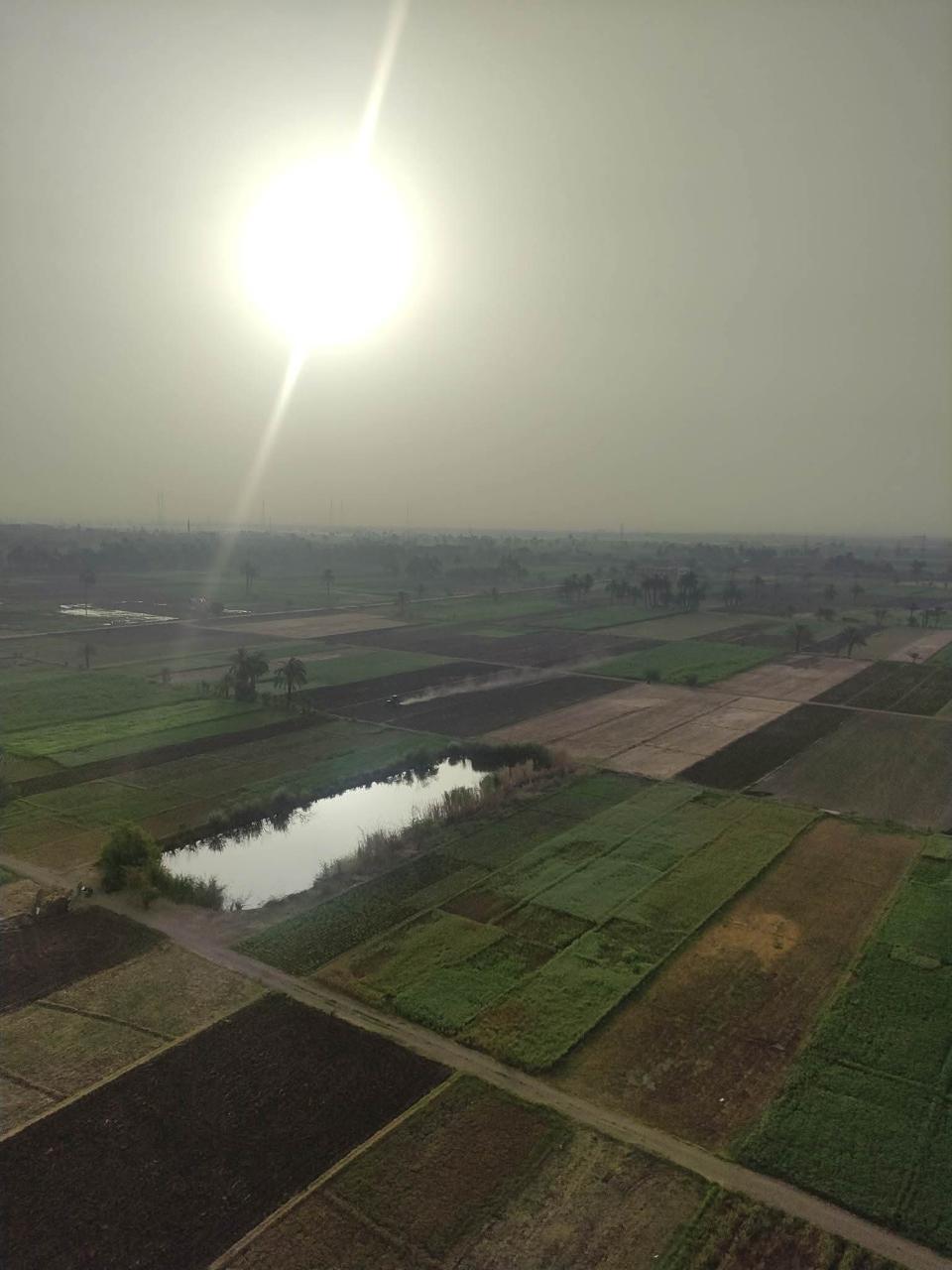
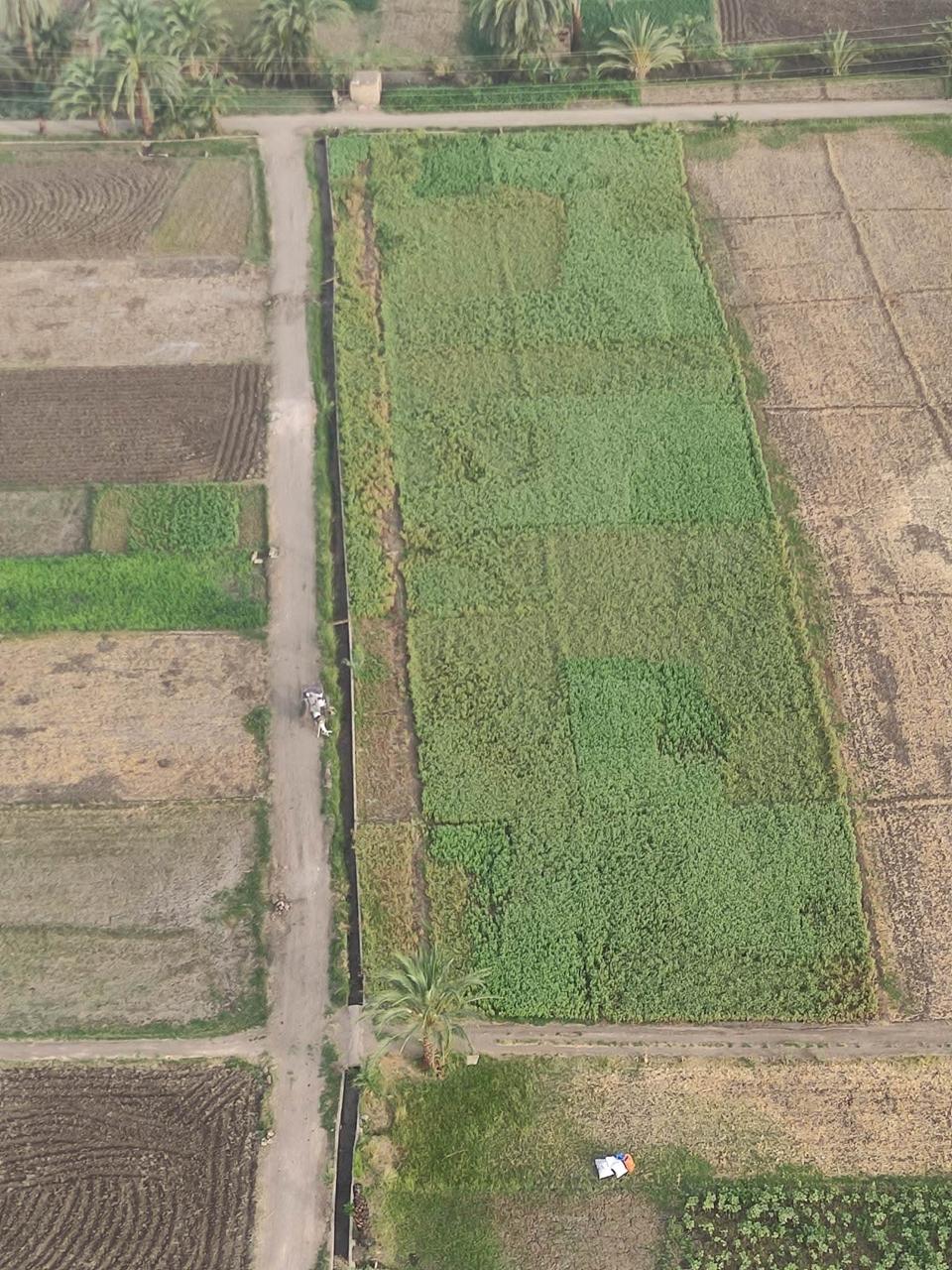
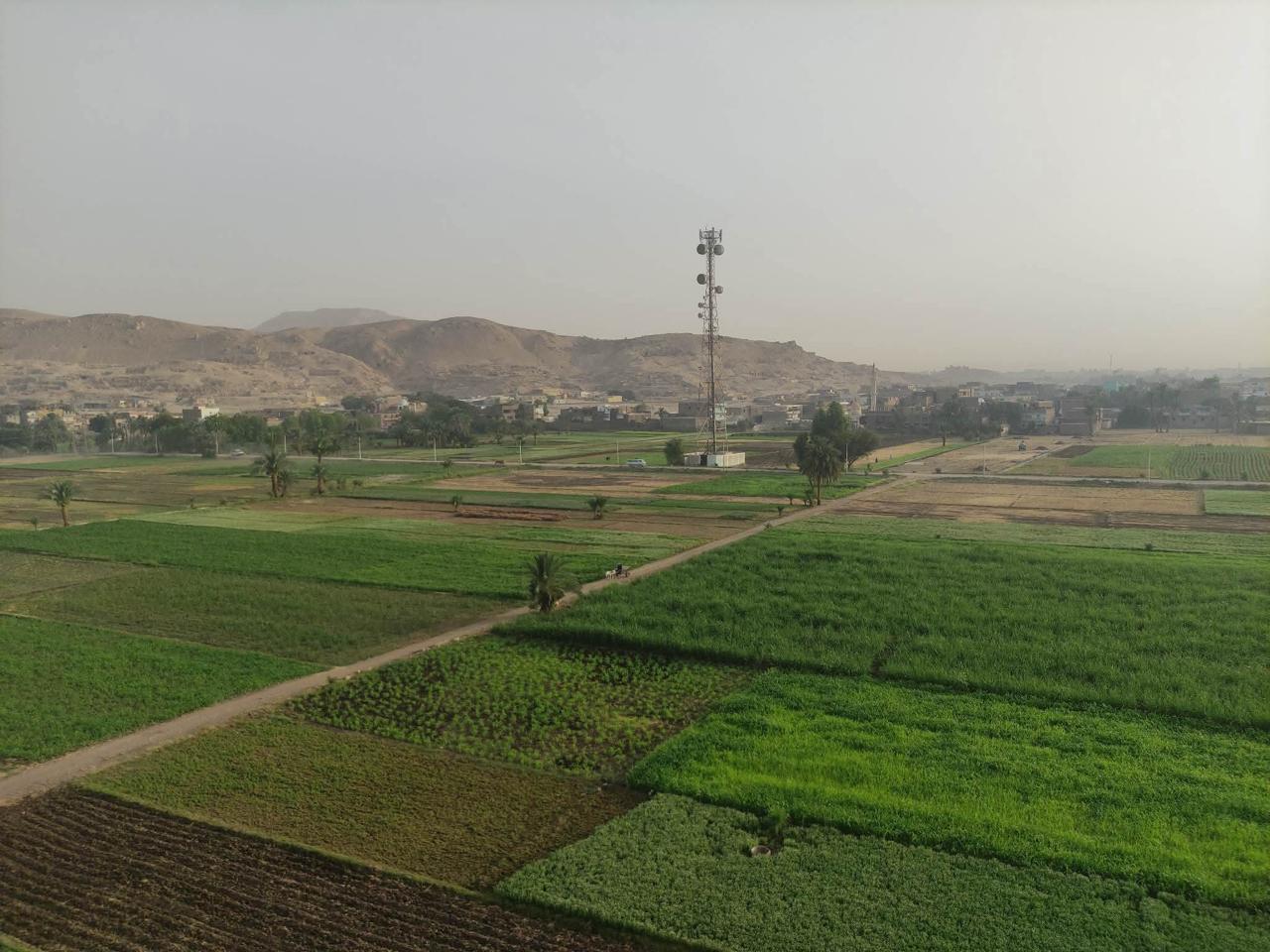
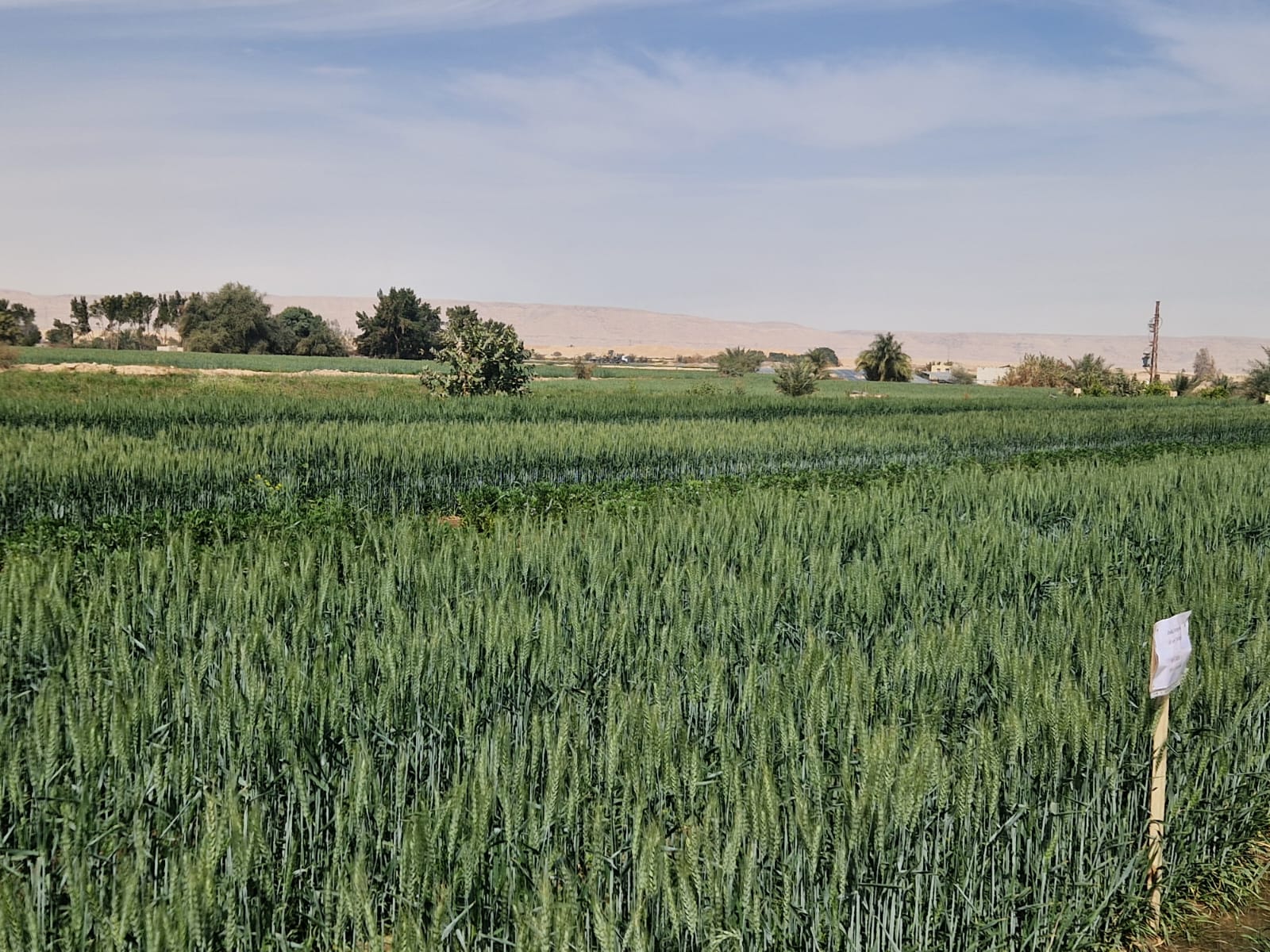
The Living Lab is established in two villages Zanaqutah and El-Boghdady, in Luxor Governorate, Upper Egypt. These capture the full diversity of dominant production systems in the area. The systems are heavily dominated by monoculture. The primary crops cultivated are sugarcane (which is the main cash crop), wheat, maize, clover and sorghum. Regarding their irrigation the most common technique is flood irrigation that has depleted the underground aquifers and has increased the soil salinity levels. In the light of these events, the Living Lab is set as a mean to identify context-appropriate agroecological interventions, that take into consideration the unique characteristics of the main production systems in the area. To achieve that, workshops, meetings and participatory activities have taken place, engaging with both farmers and other stakeholders with the overall aim to increase the resilience of the agricultural systems.
Representative Farms

Sugarcane Farms

Sugarcane farms are specialized systems focusing on maximizing their production. Farmers typically engage in contract farming with sugar and molasses factories, selling the production at a standard by-back price. This results in strong monoculture, with an average area of 2.04 ha, of which around 70% is allocated to sugarcane. A small plot is used for wheat production to be self-consumed, and farmers keep a limited number of large livestock (cows and buffaloes). Labor is mainly hired, especially during the harvesting period. However, despite their intensive production, these systems exhibit the lowest use of phytosanitary products among the identified dominant farm types.
Small Scale Farms
Medium Scale Farms

Livestock Farms

Livestock farms focus on the production of crops as fodder to feed their animals. Their profitability is based on the selling of animal products, while 10%-20% is self-consumed in the household. Farmers often hold secondary off-farm jobs, typically as government officials. The average land holding is around 0.98 ha, with crop pattern based on wheat, maize, clover and sorghum, with occasionally a small plot of land with sugarcane. Their herds consist of large animals such as cows and buffaloes, alongside 10 to 12 monogastric animals (sheep or goats) and poultry They rely heavily on hired labour, while a 20% of total labour comes from the family.

Diversified Farms

Diversified farms focus on the production of various crops to cover the needs of the household. The average holding is around 1.12 ha, consisting of wheat, maize, sorghum and clover. Approximately, 80% of the production is for self-consumption while the remaining 20% is sold to the local market. Regarding livestock, farmers maintain a small number of monogastric animals and poultry. As for the crops, the animal products are also used for self-consumption with the surplus been sold. For the labour, the farmers rely on average 75-80% on the family, while the rest is hired workers. Overall input use is of medium intensity, but the phytosanitary products are high, reflecting farmers’ efforts to protect crops and ensure a reliable food supply for the household.
Large Scale Farms
Medium Scale Farms

Cereal Farms

Cereal Farms are the smaller farms in the LL, with an average land holding size of 0.63 ha. Farmers are primarily focused on covering household needs, with the only source of income being a contract on 5% of the wheat production. The cropping pattern is based on wheat and maize, with occasional small plots of clover. No livestock, apart from poultry, is present which limits household dietary options. Additionally, these farms rely exclusively on family labour to carry out all agricultural activities. Overall, the input use is low, however the use of phytosanitary is high, as farmers seek to protect their crops.

× Preview
Agroecological practices

The agroecological transition scenarios were co-designed together with the living labs through workshops that anchored the discussion in the challenges present in their territory. Consequently, they decided which agroecological practices, and which combinations of them, to promote the change in their farming systems. The AEP selection and scenario design comprised two different workshops focusing on the selection of agroecological practices aligned with the local context. First, a farmers’ workshop was conducted to design and select the agroecological practices they were willing to implement in the living lab, grounding the discussion on existing challenges. Subsequently, a representative board’s workshop was conducted, where representative board members examined the selected agroecological practices chosen by farmers, assessed their combinations, and identified additional practices.

Name Improved Varieties
Summary Improved, yet local, varieties will be used for cereal crops (wheat and maize). These provide resistance to drought and soil salinity, while ensuring nitrogen absorption.
Full description Most of the crops are cultivated in intensive monoculture systems. These systems are vulnerable to weather extremes, crop failure and water scarcity. In addition, there is a yield drop of 6% on average due to climate change.
Technical details
Yield
Yield will increase by 10–15%, countering the 6% loss caused by climate change.
Labour
Labour needs will increase by 10–15% on average.
Fertilizers
Fertilizing inputs will increase by 15%, as these varieties require more nutrients to maximize yields.
Seeds
A government subsidy will be responsible for providing the seeds, respecting the validated variety map that has been issued.
Hypotheses and Scenarios
Hypothesis: providing seed subsidies will encourage farmers to adopt improved varieties, in order to secure food and income despite higher input and labour costs.
Scenario 1a: use of improved varieties with seed subsidies.
Scenario 1: use of improved varieties and drip irrigation. Combination
Scenario 2: use of improved varieties and raised bed cultivation. Combination
Indicators
Agronomic
RF1 Baseline RF2 Baseline
Crop Pattern Information to be provided by CIHEAM Information to be provided by CIHEAM Information to be provided by CIHEAM Information to be provided by CIHEAM
Land Use Information to be provided by CIHEAM Information to be provided by CIHEAM Information to be provided by CIHEAM Information to be provided by CIHEAM
Pesticide Use Information to be provided by CIHEAM Information to be provided by CIHEAM Information to be provided by CIHEAM Information to be provided by CIHEAM
Nitrogen Leaching Information to be provided by CIHEAM Information to be provided by CIHEAM Information to be provided by CIHEAM Information to be provided by CIHEAM
Socio-economic
RF1 Baseline RF2 Baseline
Total Farm Income Information to be provided by CIHEAM Information to be provided by CIHEAM Information to be provided by CIHEAM Information to be provided by CIHEAM
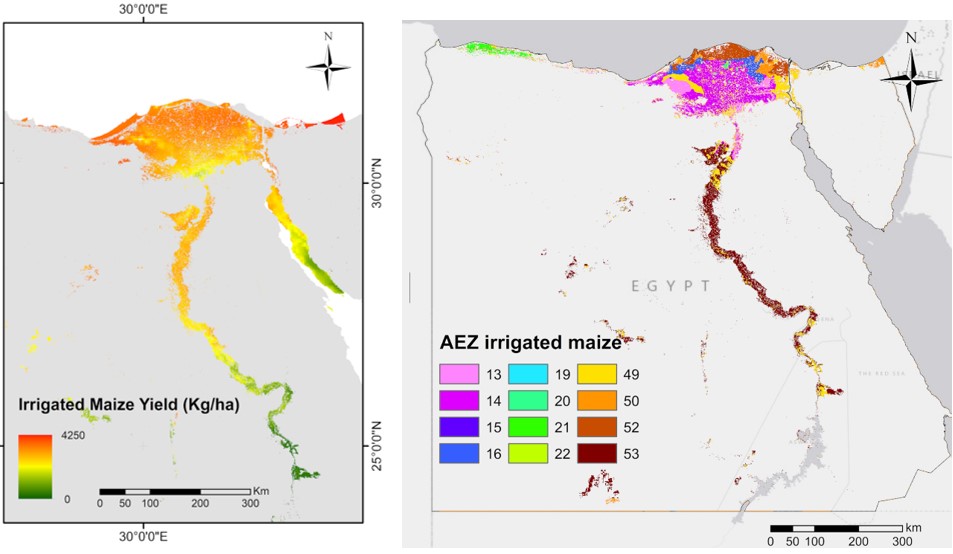
Potential dissemination of improved varieties at national scale, depending on agro-ecological zones.
Two maps of Egypt: estimated irrigated maize yield, and agro-ecological zoning for irrigated maize based on that yield.
Figure X. (Left) Estimated irrigated maize yield in Egypt, considering soil and terrain limitations other than soil moisture. (Right) Agro-ecological zoning for irrigated maize in Egypt, based on the yield estimates.
Name Drip Irrigation
Summary Change the current flood irrigation system to drip irrigation.
Full description The majority of farmers in the Living Lab use a flood irrigation system, which involves overfilling their plots until the soil reaches saturation. This makes the systems susceptible to increased soil salinity and, in the long run, threatens to cause water scarcity. Water scarcity in the region is already approaching absolute scarcity levels.

Changing to a drip irrigation system can therefore regulate the amount of water used in the agricultural systems, and the efficiency with which it is used.
Technical details
Yield
Yield will increase by 30%.
Water
Water use will be reduced by 40% compared to the current amount.
Labour
Labour needs will increase by 30%, specifically for fertilization, phytosanitation and harvest.
Costs
Overall costs will increase by 30%, due to the installation and depreciation expenses of the new irrigation system.
Hypotheses and Scenarios
Hypothesis: financial subsidies for installation costs, combined with penalties for non-compliance with the National Drip Irrigation Initiative, will encourage farmers to switch systems.
Scenario 1b: installation of a drip irrigation system.
Scenario 1: use of improved varieties and drip irrigation. Combination
Indicators
Agronomic
RF1 Baseline RF2 Baseline
Crop Pattern Information to be provided by CIHEAM Information to be provided by CIHEAM Information to be provided by CIHEAM Information to be provided by CIHEAM
Land Use Information to be provided by CIHEAM Information to be provided by CIHEAM Information to be provided by CIHEAM Information to be provided by CIHEAM
Pesticide Use Information to be provided by CIHEAM Information to be provided by CIHEAM Information to be provided by CIHEAM Information to be provided by CIHEAM
Nitrogen Leaching Information to be provided by CIHEAM Information to be provided by CIHEAM Information to be provided by CIHEAM Information to be provided by CIHEAM
Socio-economic
RF1 Baseline RF2 Baseline
Total Farm Income Information to be provided by CIHEAM Information to be provided by CIHEAM Information to be provided by CIHEAM Information to be provided by CIHEAM
Potential dissemination of drip irrigation at national scale, depending on agro-ecological zones.
Two maps of Egypt: estimated irrigated maize yield, and agro-ecological zoning for irrigated maize based on that yield.
Figure X. (Left) Estimated irrigated maize yield in Egypt, considering soil and terrain limitations other than soil moisture. (Right) Agro-ecological zoning for irrigated maize in Egypt, based on the yield estimates.
Name Raised Bed Cultivation
Summary Formation of elevated plots of land (beds) for cultivating the crops.
Full description While a small percentage of farmers already use it, it is not widely perceived as an agro-ecological practice. Raised beds protect the fields from soil erosion, maintain water retention and improve water use efficiency.
Technical details
Yield
Yield will increase by 30%.
Water
Water use will be reduced by 25% compared to the current amount.
Labour
Labour needs will increase by 40%, specifically for fertilization, phytosanitation and harvest.
Costs
Overall costs will increase by 30%, due to creating and maintaining the beds.
Hypotheses and Scenarios
Hypothesis: providing government assistance for land levelling, together with seed subsidies, will encourage farmers to adopt raised bed cultivation.
Scenario 2b: raised bed cultivation.
Scenario 2: use of improved varieties and raised bed cultivation. Combination
Indicators
Agronomic
RF1 Baseline RF2 Baseline
Crop Pattern Information to be provided by CIHEAM Information to be provided by CIHEAM Information to be provided by CIHEAM Information to be provided by CIHEAM
Land Use Information to be provided by CIHEAM Information to be provided by CIHEAM Information to be provided by CIHEAM Information to be provided by CIHEAM
Pesticide Use Information to be provided by CIHEAM Information to be provided by CIHEAM Information to be provided by CIHEAM Information to be provided by CIHEAM
Nitrogen Leaching Information to be provided by CIHEAM Information to be provided by CIHEAM Information to be provided by CIHEAM Information to be provided by CIHEAM
Socio-economic
RF1 Baseline RF2 Baseline
Total Farm Income Information to be provided by CIHEAM Information to be provided by CIHEAM Information to be provided by CIHEAM Information to be provided by CIHEAM
Potential dissemination of raised bed cultivation at national scale, depending on agro-ecological zones.
Two maps of Egypt: estimated irrigated maize yield, and agro-ecological zoning for irrigated maize based on that yield.
Figure X. (Left) Estimated irrigated maize yield in Egypt, considering soil and terrain limitations other than soil moisture. (Right) Agro-ecological zoning for irrigated maize in Egypt, based on the yield estimates.
Name New Sugarcane Cultivars
Summary Replacing the current cultivation material (cuttings) with seedlings.
Full description The cultivation of sugarcane is traditionally done using plant cuttings supplied by public factories. Transitioning to seedlings allows for a shorter cultivation cycle (approximately three months less) without compromising yield.
Technical details
Yield
The cultivation period will drop by three months, without compromising yield.
Labour
Labour will increase, because of the new three-month window available for cultivating another crop.
Inputs
Input use will increase, due to the additional crop.
Seeds
Requires 50% more seed per hectare, due to the higher number of seedling plants needed.
Hypotheses and Scenarios
Scenario 3: replacing the current cultivation material (cuttings) with seedlings.
Indicators
Agronomic
RF1 Baseline RF2 Baseline
Crop Pattern Information to be provided by CIHEAM Information to be provided by CIHEAM Information to be provided by CIHEAM Information to be provided by CIHEAM
Land Use Information to be provided by CIHEAM Information to be provided by CIHEAM Information to be provided by CIHEAM Information to be provided by CIHEAM
Pesticide Use Information to be provided by CIHEAM Information to be provided by CIHEAM Information to be provided by CIHEAM Information to be provided by CIHEAM
Nitrogen Leaching Information to be provided by CIHEAM Information to be provided by CIHEAM Information to be provided by CIHEAM Information to be provided by CIHEAM
Socio-economic
RF1 Baseline RF2 Baseline
Total Farm Income Information to be provided by CIHEAM Information to be provided by CIHEAM Information to be provided by CIHEAM Information to be provided by CIHEAM
Potential dissemination of new sugarcane cultivars at national scale, depending on agro-ecological zones.
Two maps of Egypt: estimated irrigated maize yield, and agro-ecological zoning for irrigated maize based on that yield.
Figure X. (Left) Estimated irrigated maize yield in Egypt, considering soil and terrain limitations other than soil moisture. (Right) Agro-ecological zoning for irrigated maize in Egypt, based on the yield estimates.
Determinants for the adoption of agro-ecological practices

Lorem ipsum dolor sit amet, consectetur adipiscing elit. Ut blandit justo a commodo rutrum. Suspendisse ornare turpis eget cursus varius. In id fermentum mi. Aenean porta sodales sapien, id consectetur dui egestas vel. Donec quis accumsan mauris, nec consectetur erat. Integer eu ipsum nec lectus ultricies dictum.

Lorem ipsum dolor sit amet, consectetur adipiscing elit. Ut blandit justo a commodo rutrum. Suspendisse ornare turpis eget cursus varius. In id fermentum mi. Aenean porta sodales sapien, id consectetur dui egestas vel. Donec quis accumsan mauris, nec consectetur erat. Integer eu ipsum nec lectus ultricies dictum.