
Laghouat Living Lab
| Area | Leader | Farming system |
|---|---|---|
| AreaLaghouat, Algeria | LeaderCARI, El Argoub | Farming systemPeri-oasis system |
| Main productions and value chains | Main issues | |
| Main productions and value chainsPalm dates | Main issues Environmental Groundwater resources overexploitation, drought, soil degradation. Social Abandonment of agricultural activities by young men. |
|
General information
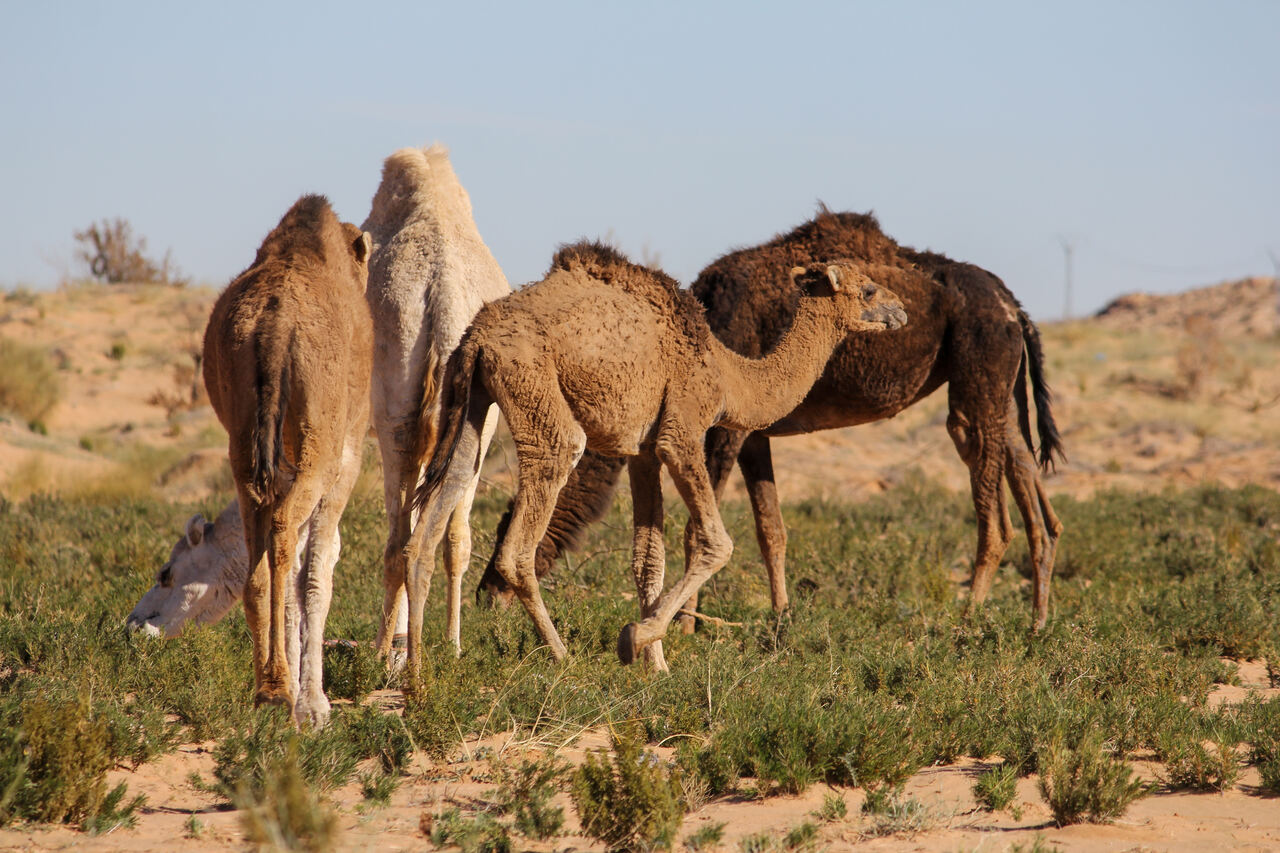
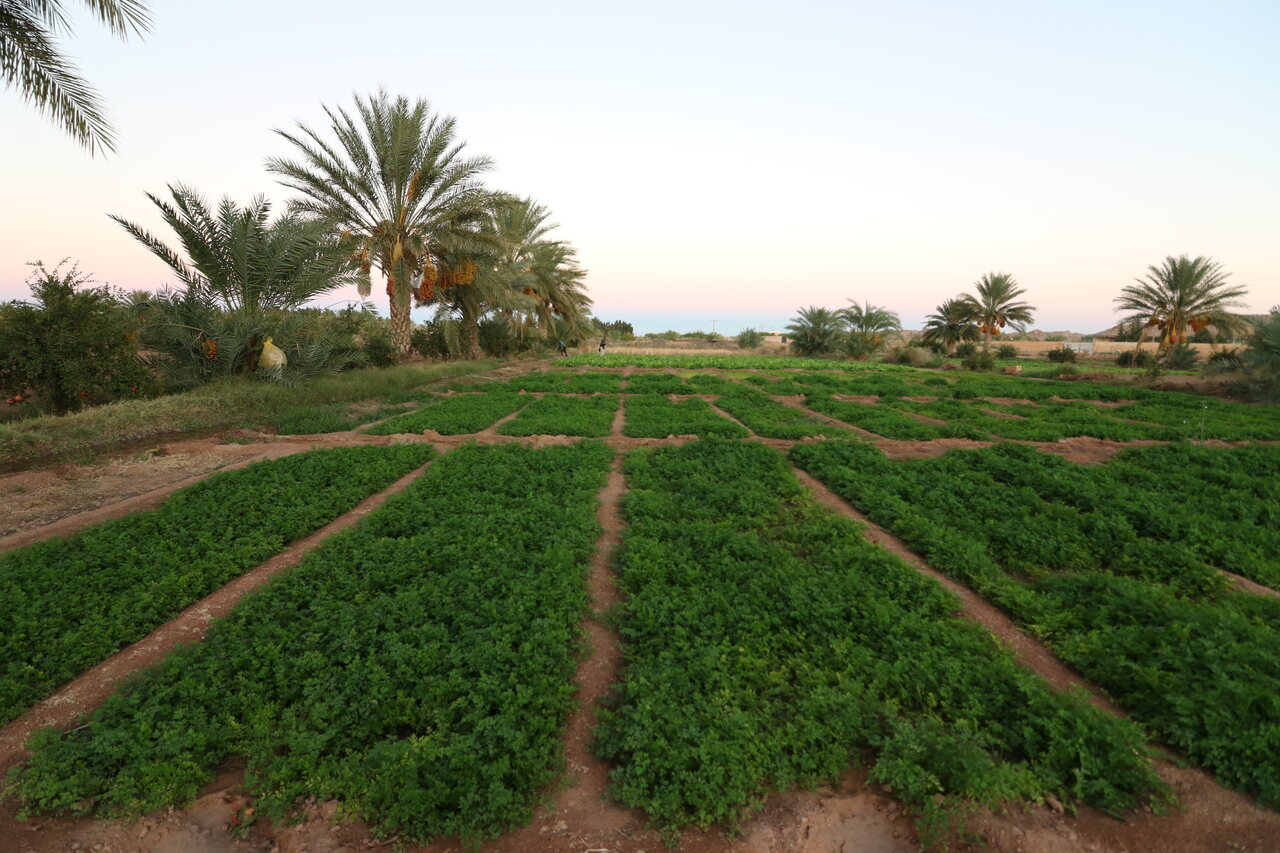
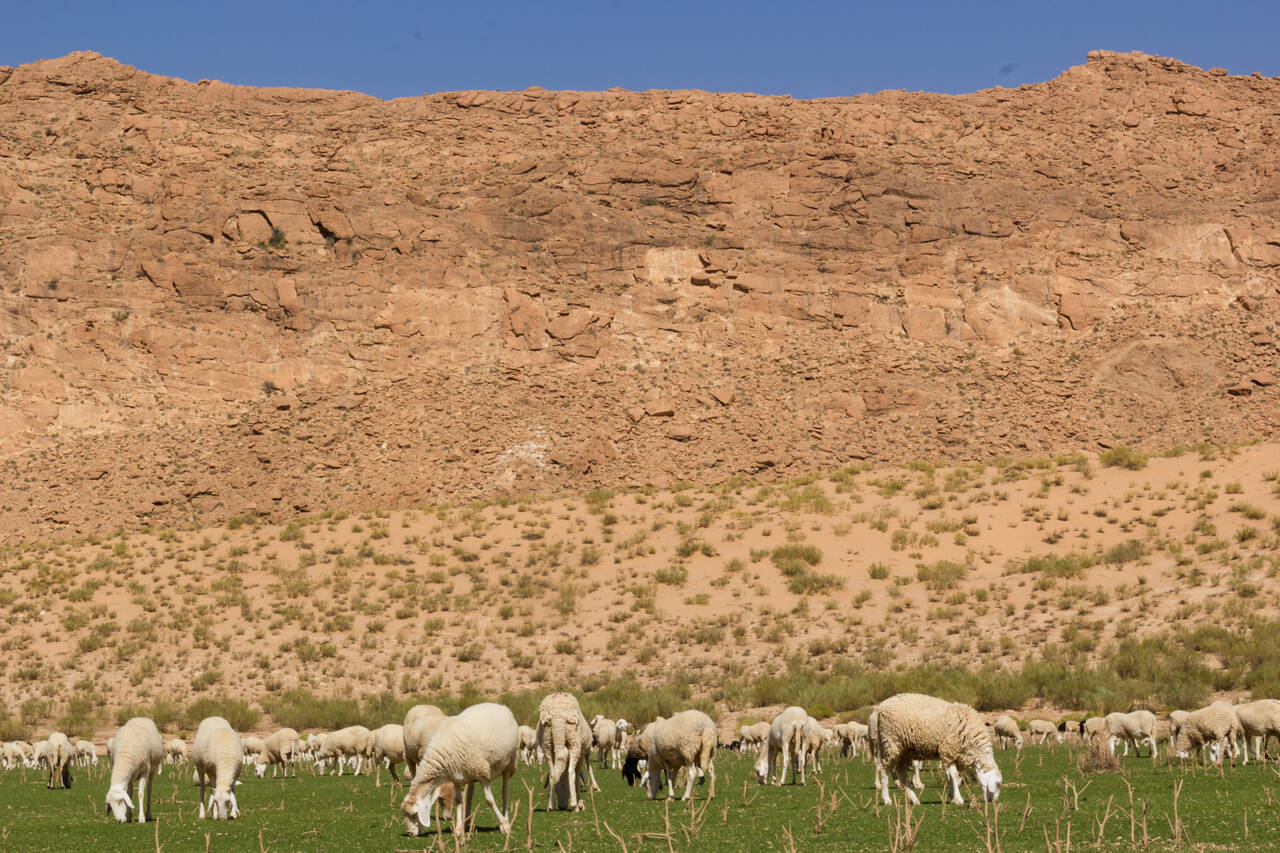
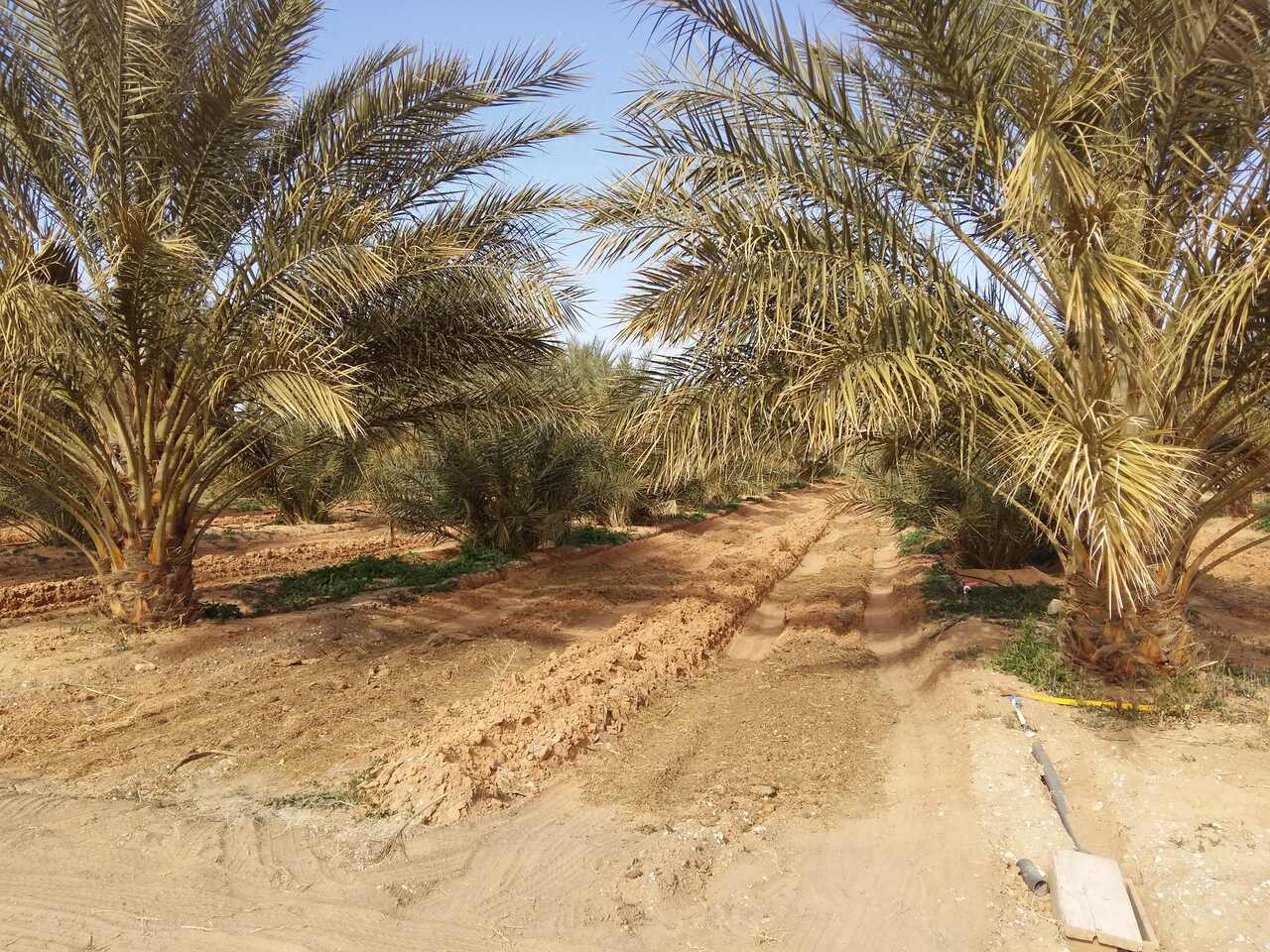
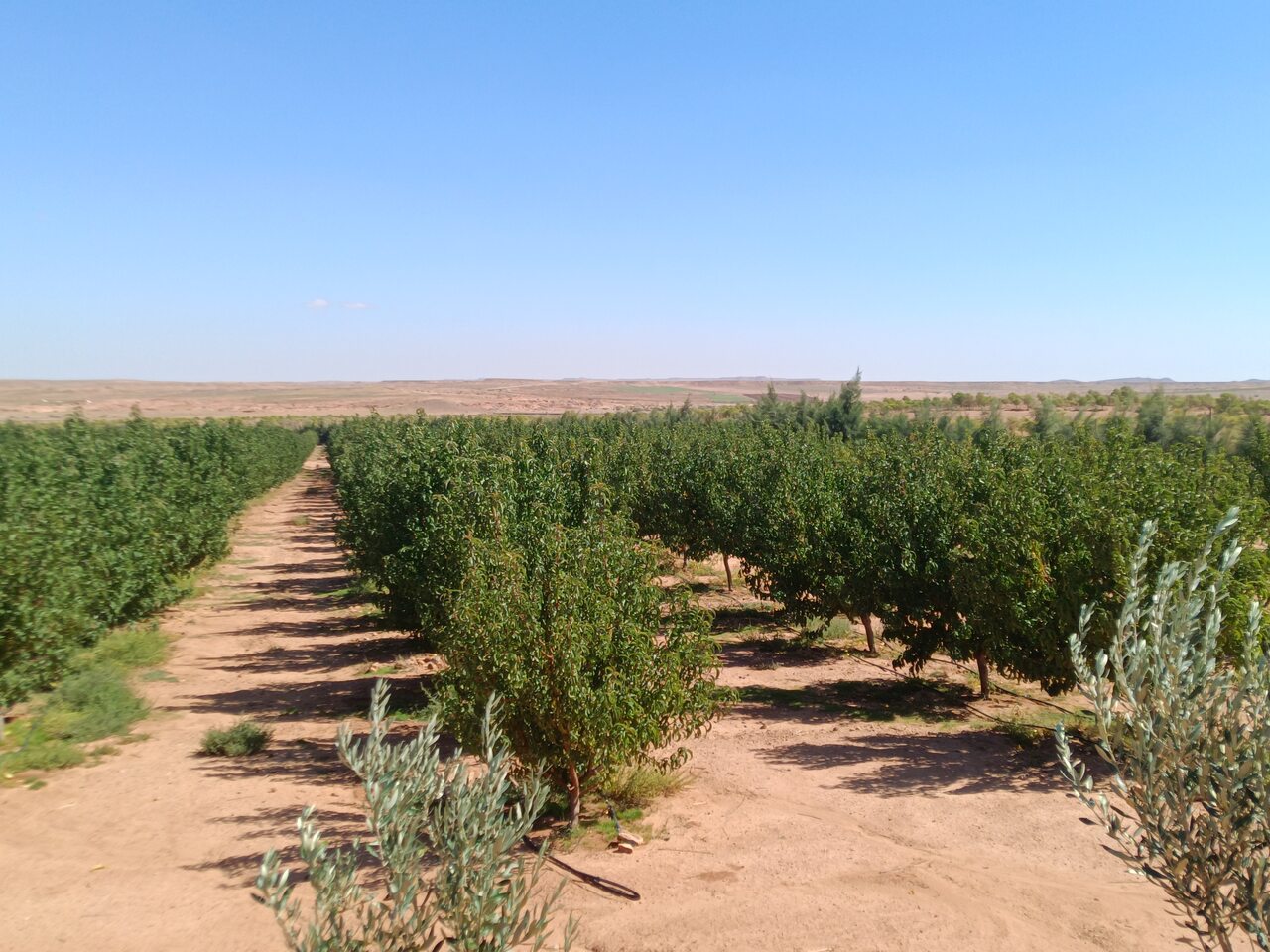
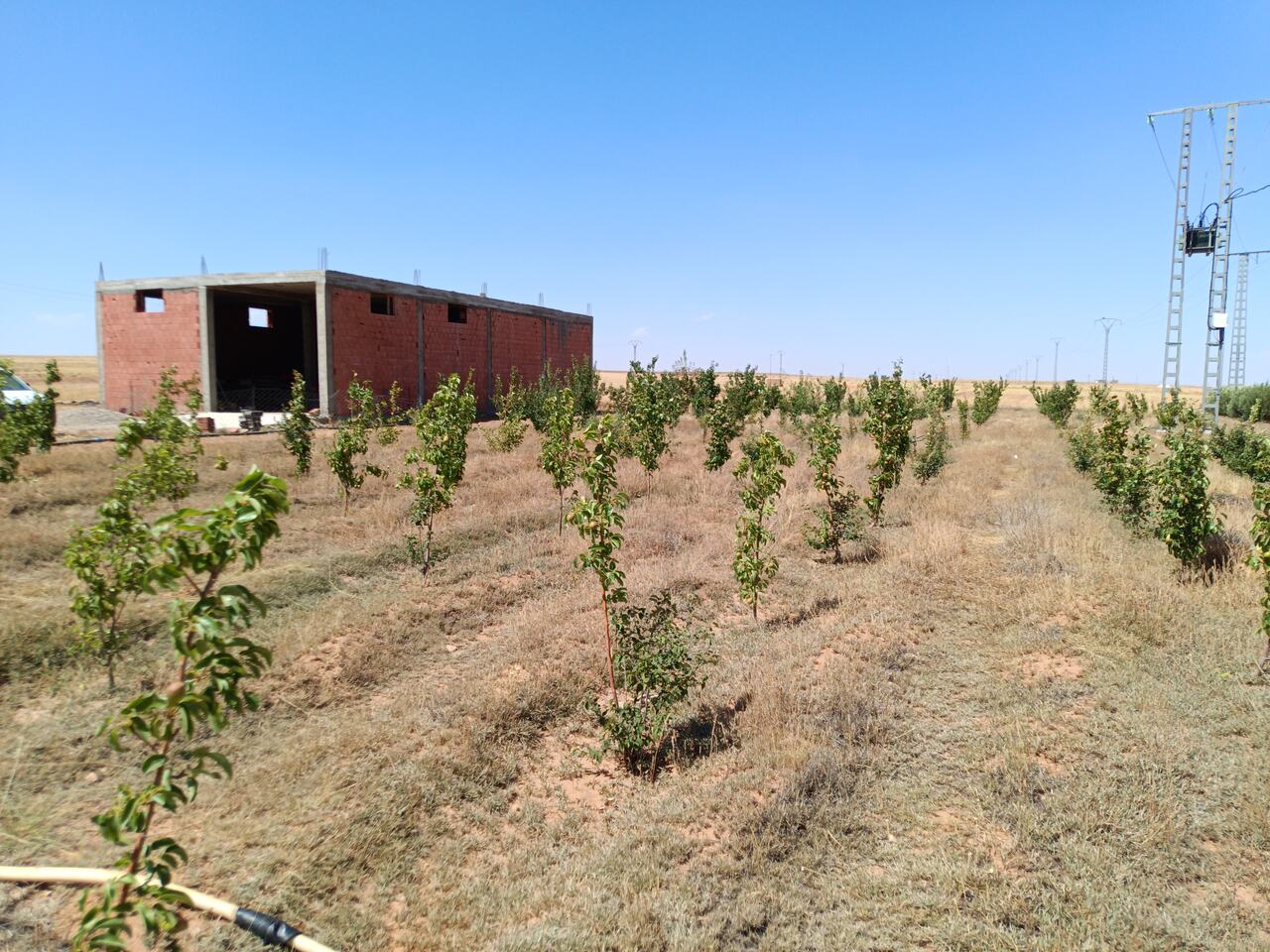
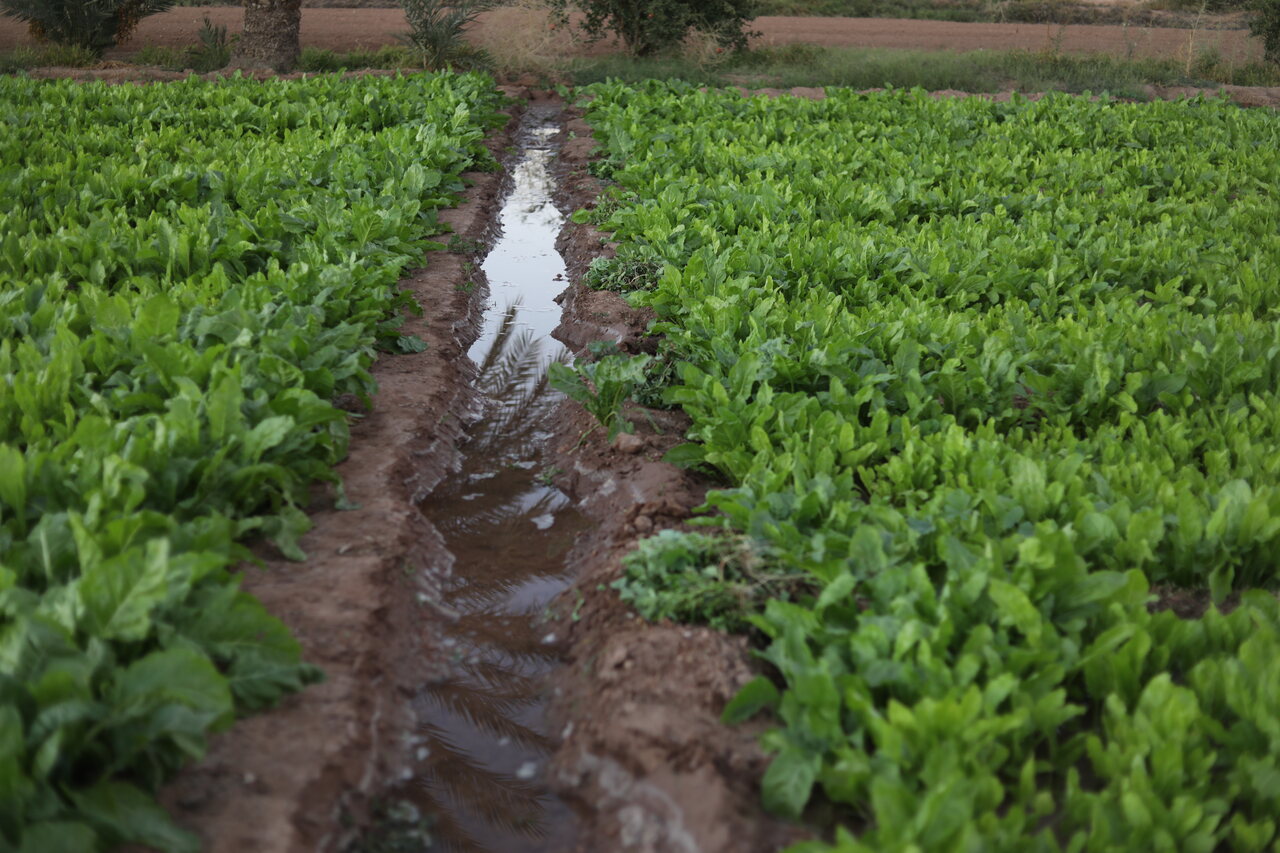
The community of Laghouat and the municipality of El Assafia, LL areas of the project, are located to the east of the wilaya of Laghouat, which is located at the northern limit of the date palm cultivation. The two cities, situated 15 km apart, share the same hydrological resources (oued and water tables) and share similar physical conditions. The wilaya has a rural population of 218,928, which represents 30% of the total population. The agricultural sector is one of the most important sectors in the wilaya followed by the industry, administration, and services (transport, commerce, etc.) sectors. The agricultural sector employs approximately 20% of the working population of the wilaya. The wilaya is located at an arid bioclimatic zone, which has irregular and low rainfall with an average of 154 mm.
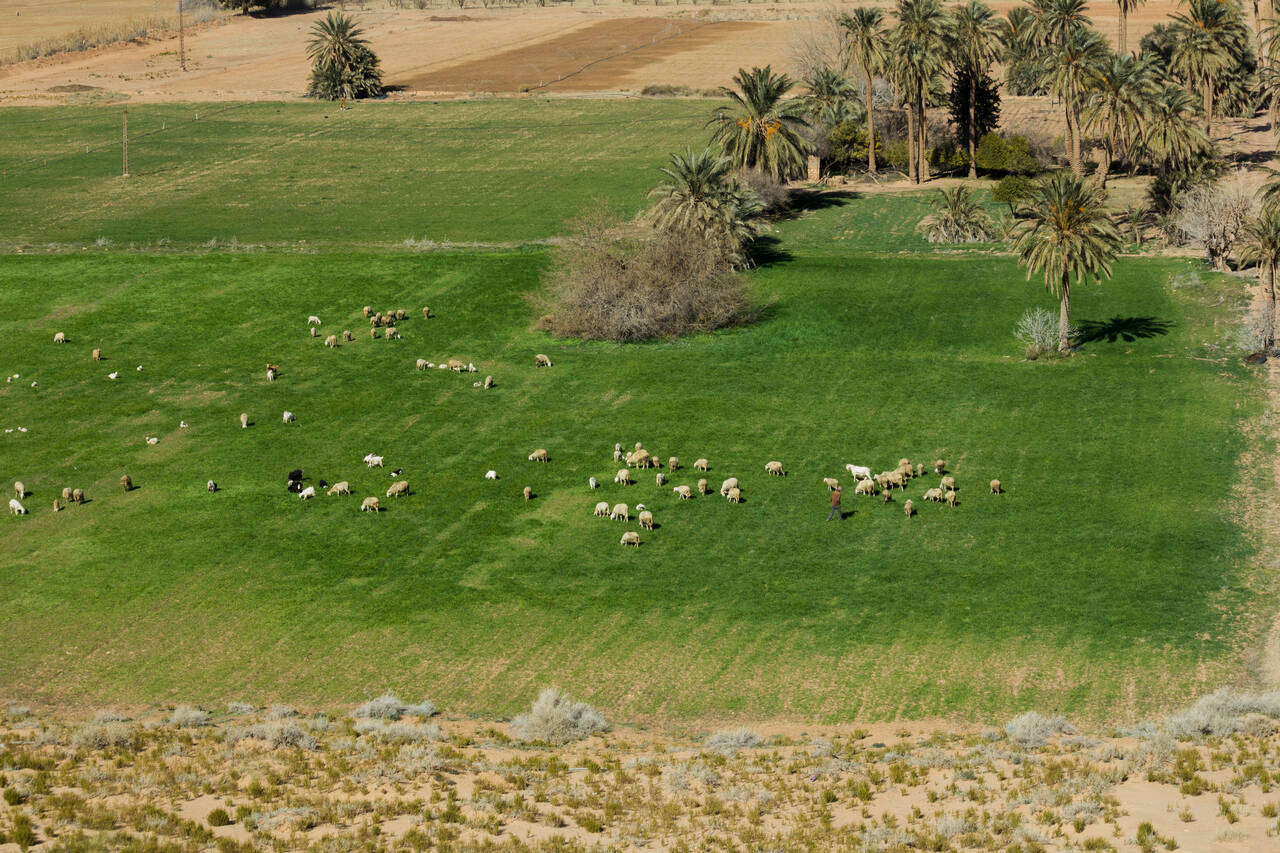
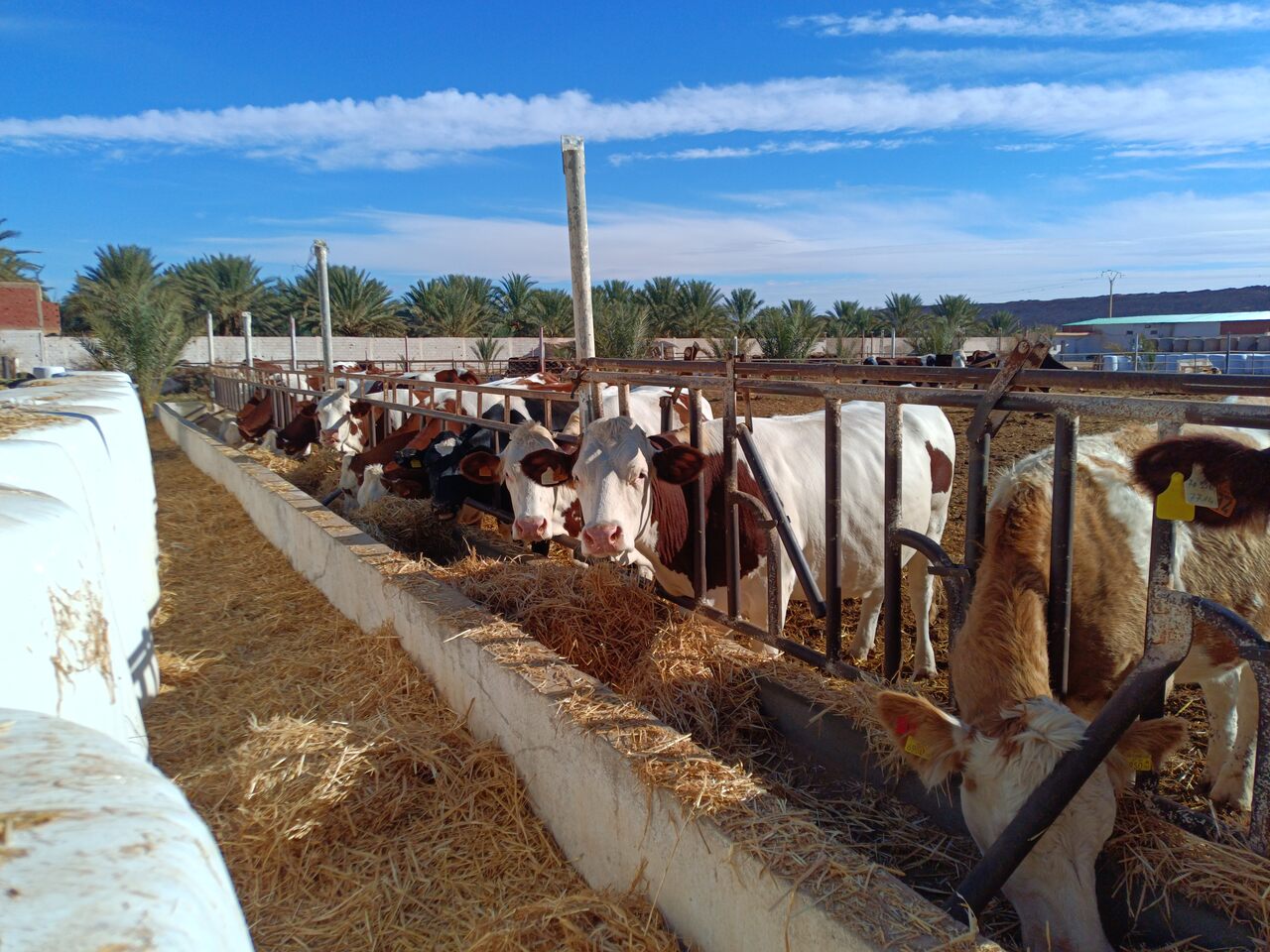
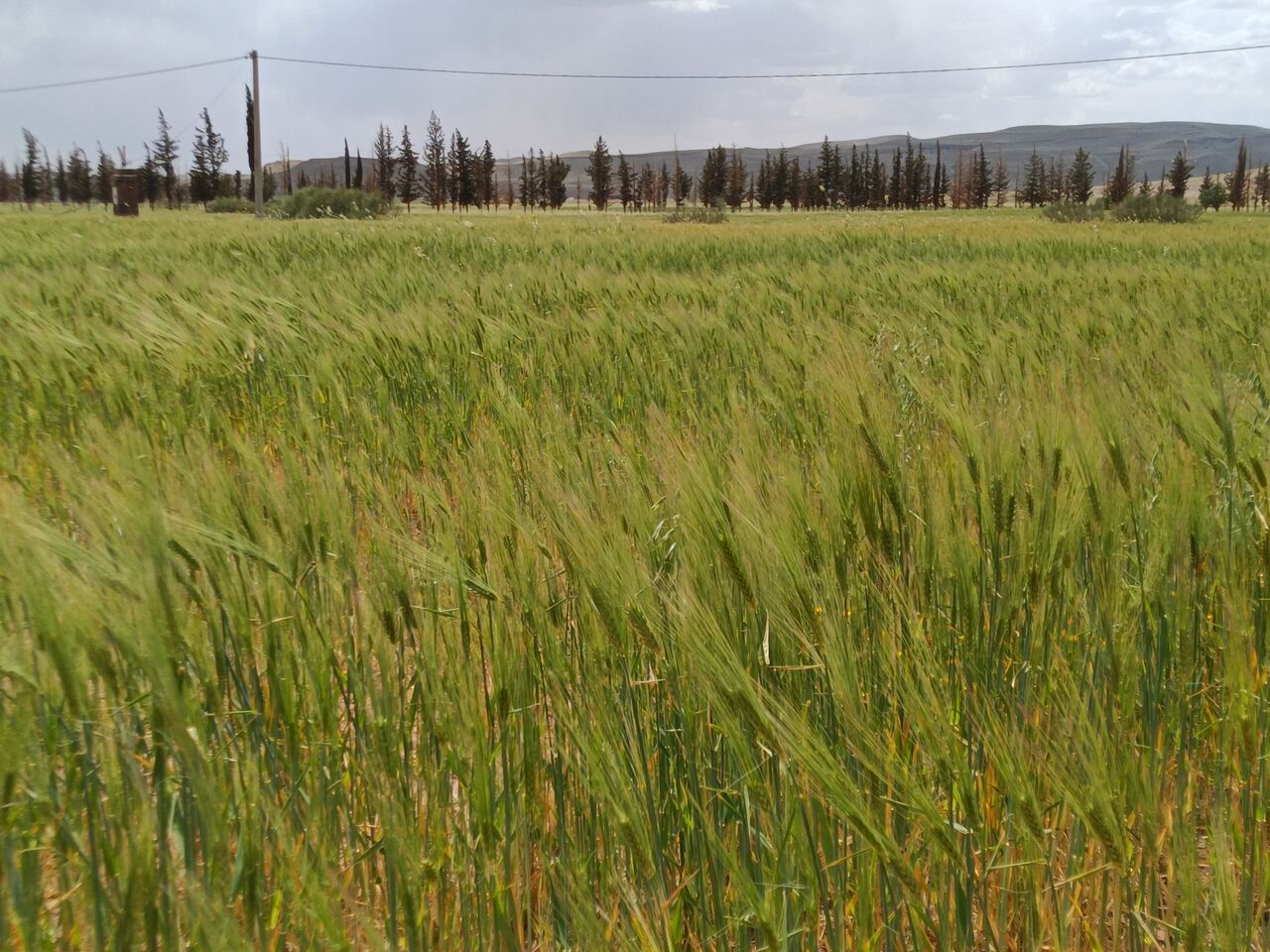
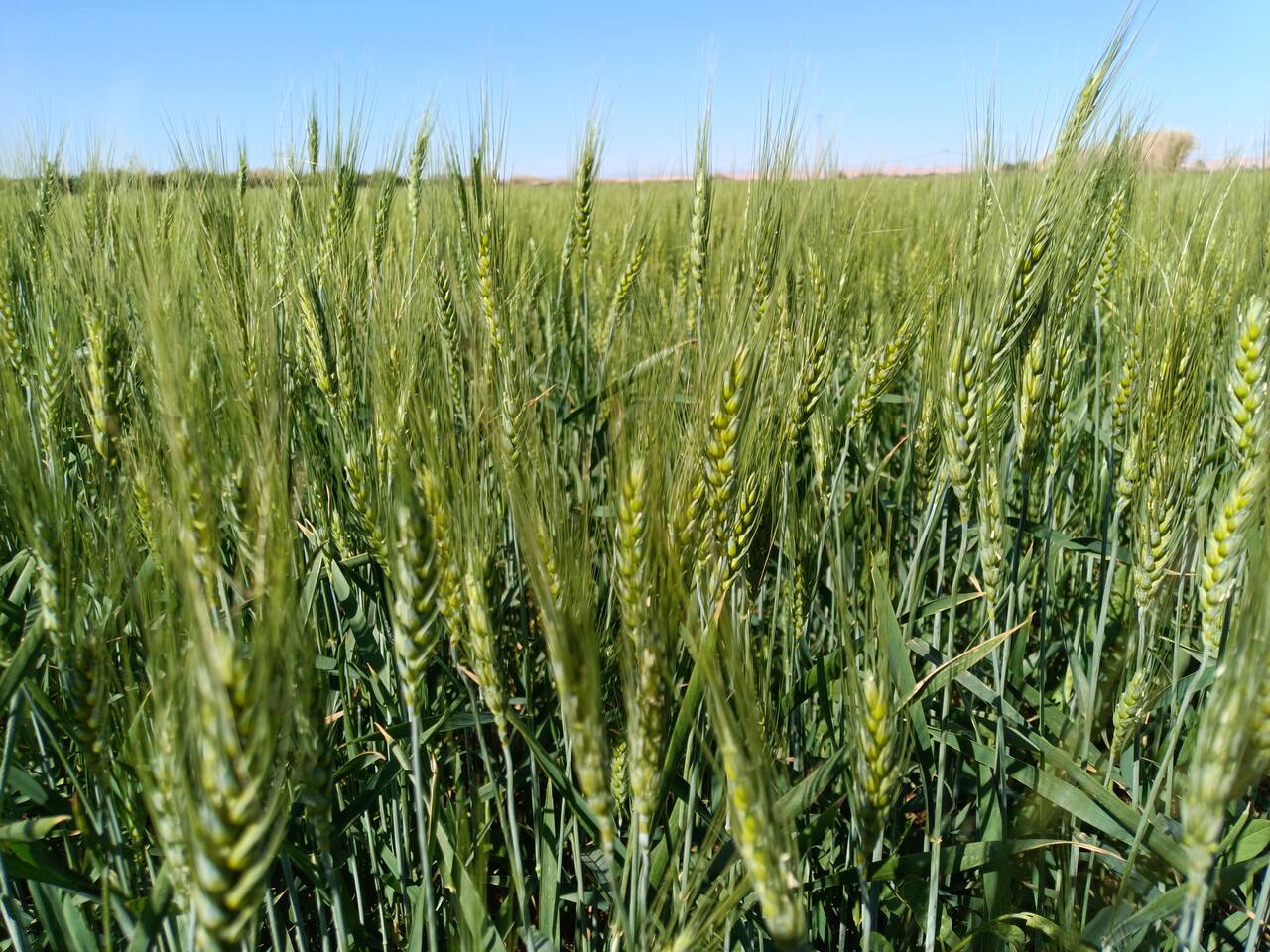
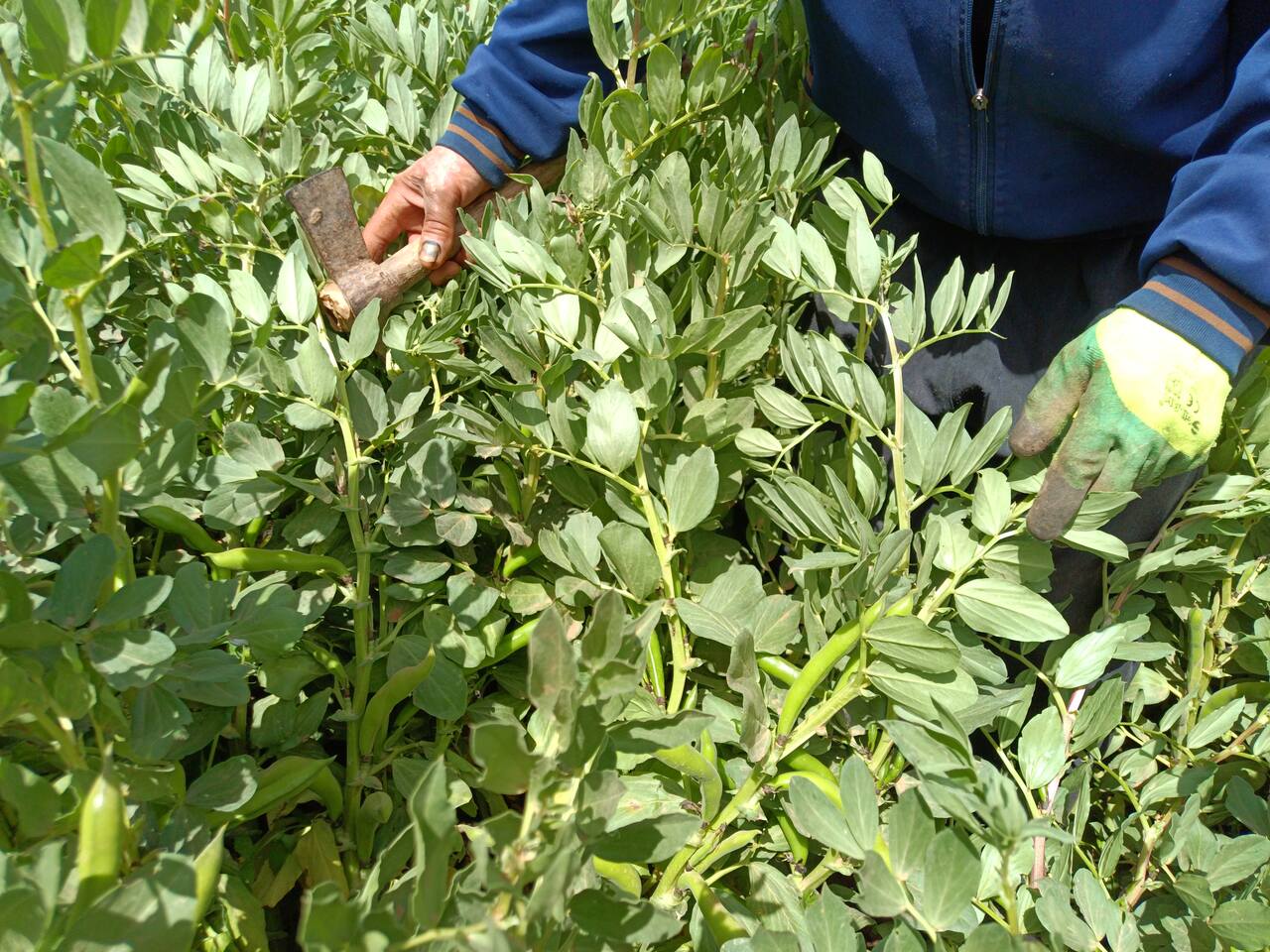
The agricultural system in the wilaya is evolving towards mixed crop-livestock farming, with a strong emphasis on sheep production, while cattle and poultry farming remain important. The main agricultural activities include sheep rearing, arable farming (particularly cereals and fodder crops), market gardening, and, to a lesser extent, fruit production. The local market is characterized by strong demand for a wide range of agricultural products, including fruits, vegetables, and meat. Date production remains limited, with local demand far exceeding supply. The number of farms is 12,609, with 9,015 livestock farmers. The agricultural sector is dominated by smallholders, with farms under 5 ha (70% of the total), followed by medium-sized farms ranging from 5 to 10 ha (20%), and large farms above 10 ha (10%).
The government provides subsidies to farmers for irrigation systems and cereal cultivation. The drip irrigation system mostly benefits farmers engaged in arboriculture. They do not have to pay for the water itself, but for the costs of drawing water from the wells. The source of irrigation water in the wilaya is groundwater, which is depleted each year. Furthermore, the government provides subsidies for cereal cultivation on machinery, pesticides, and fertilizers. The government purchases the harvest, making cereals a relatively secure option for farmers.
Representative Farms
Livestock farms
- 9.49 ha
- Dairy cattle · small ruminants
- Cereals · forage crops · trees
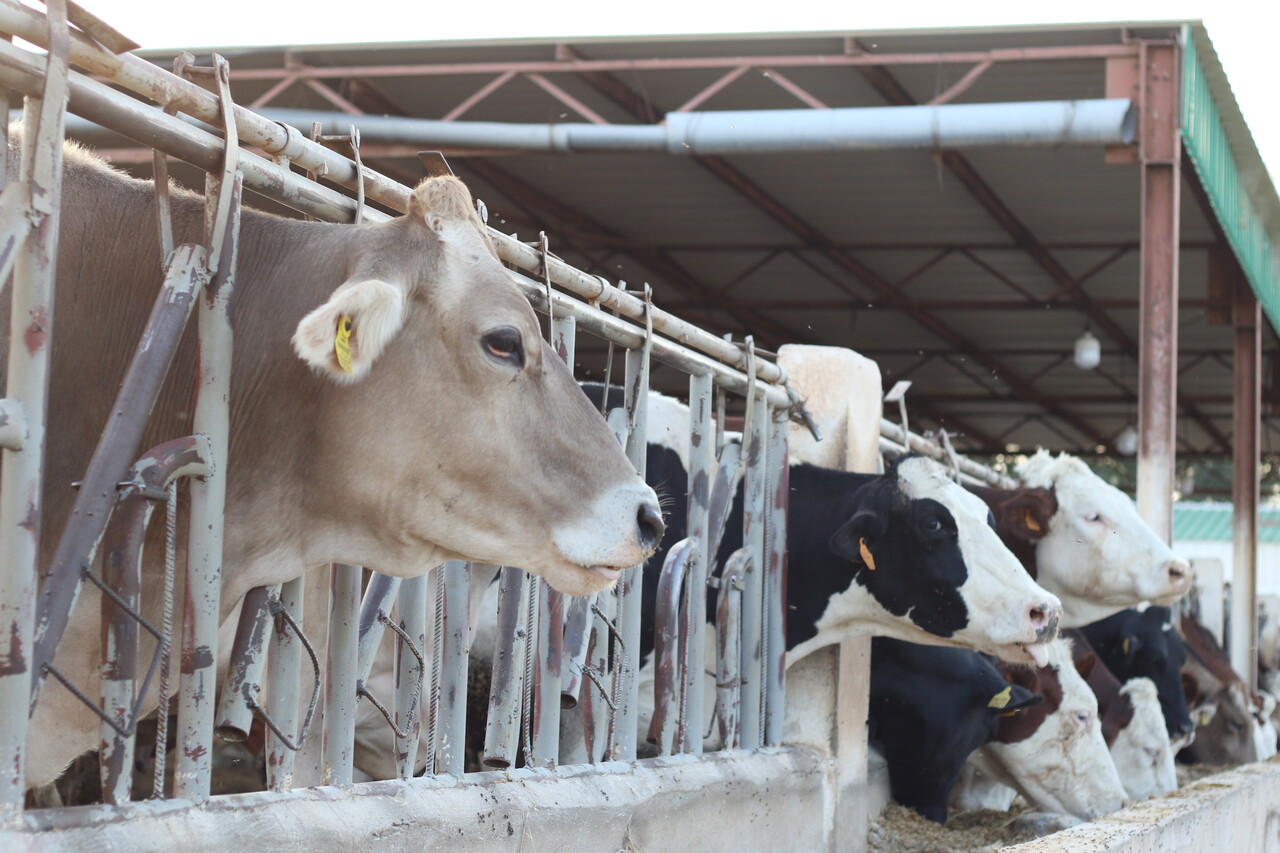
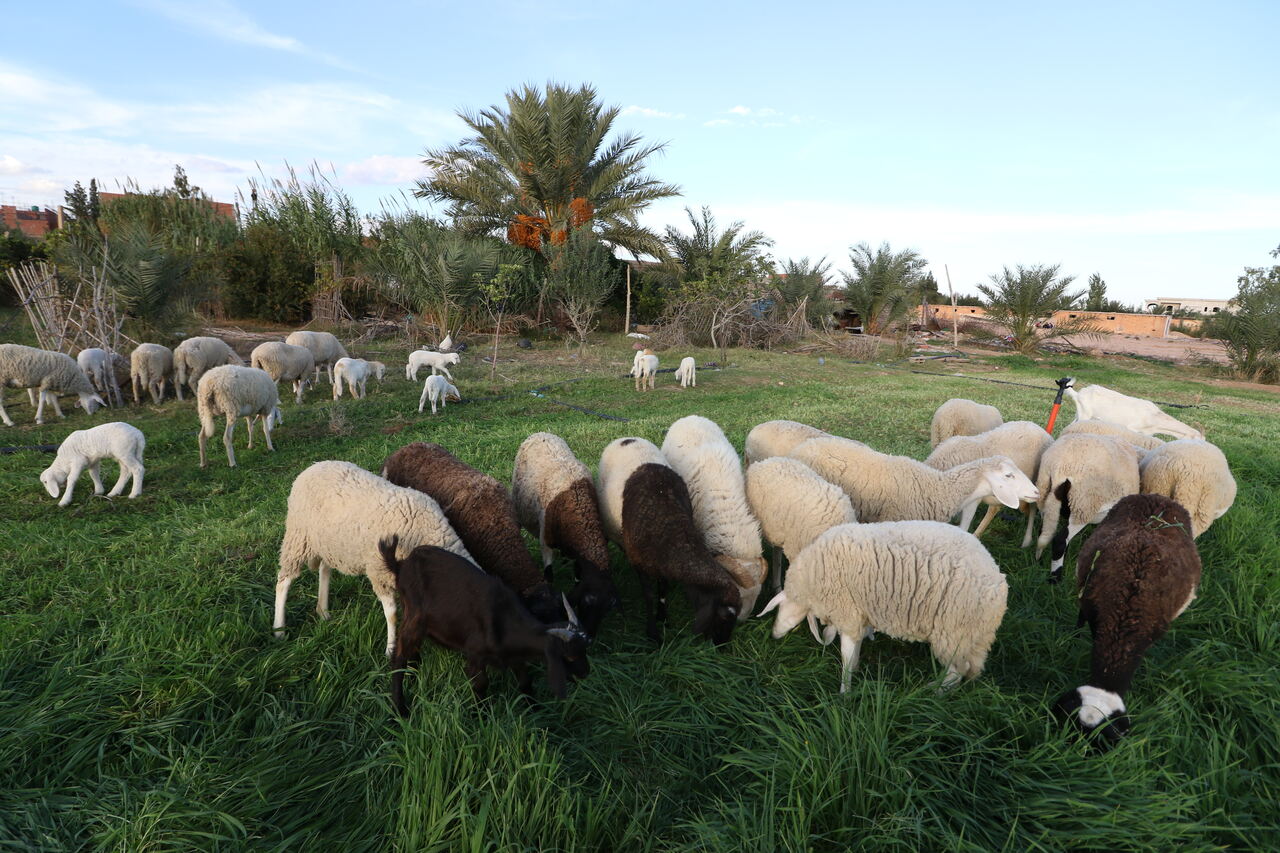
The livestock farm type focuses primarily on livestock production, alongside cereals, forage crops, and trees. In addition to cattle rearing, mainly for milk production, farmers also raise small ruminants. Tree production is diverse, ranging from date palms and olive trees to fruit trees. The average farm size is 9.49 ha.
Diversified farms
- 10.27 ha
- High crop diversity
- Livestock
- Most traditional farm type
The diversified farm type represents the most traditional form of agriculture in the Living Lab, characterized by the high diversity of crops cultivated on farms. The average farm size is 10.27 ha. Farmers in this farm type also engage in livestock production.
Arboriculture farms
- 2.14 ha
- Trees only
- Off-farm professions
The arboriculture farm type is the most specialized farm type in the Living Lab, focusing exclusively on tree production. It is also the smallest farm type, with an average area of 2.14 ha. Arboriculture farmers generally have higher levels of education, often holding university degrees, and are more likely to have non-agricultural professions in addition to farming.
Market gardening farms
- 4 ha
- Vegetables · date palms
- Not included in the simulations
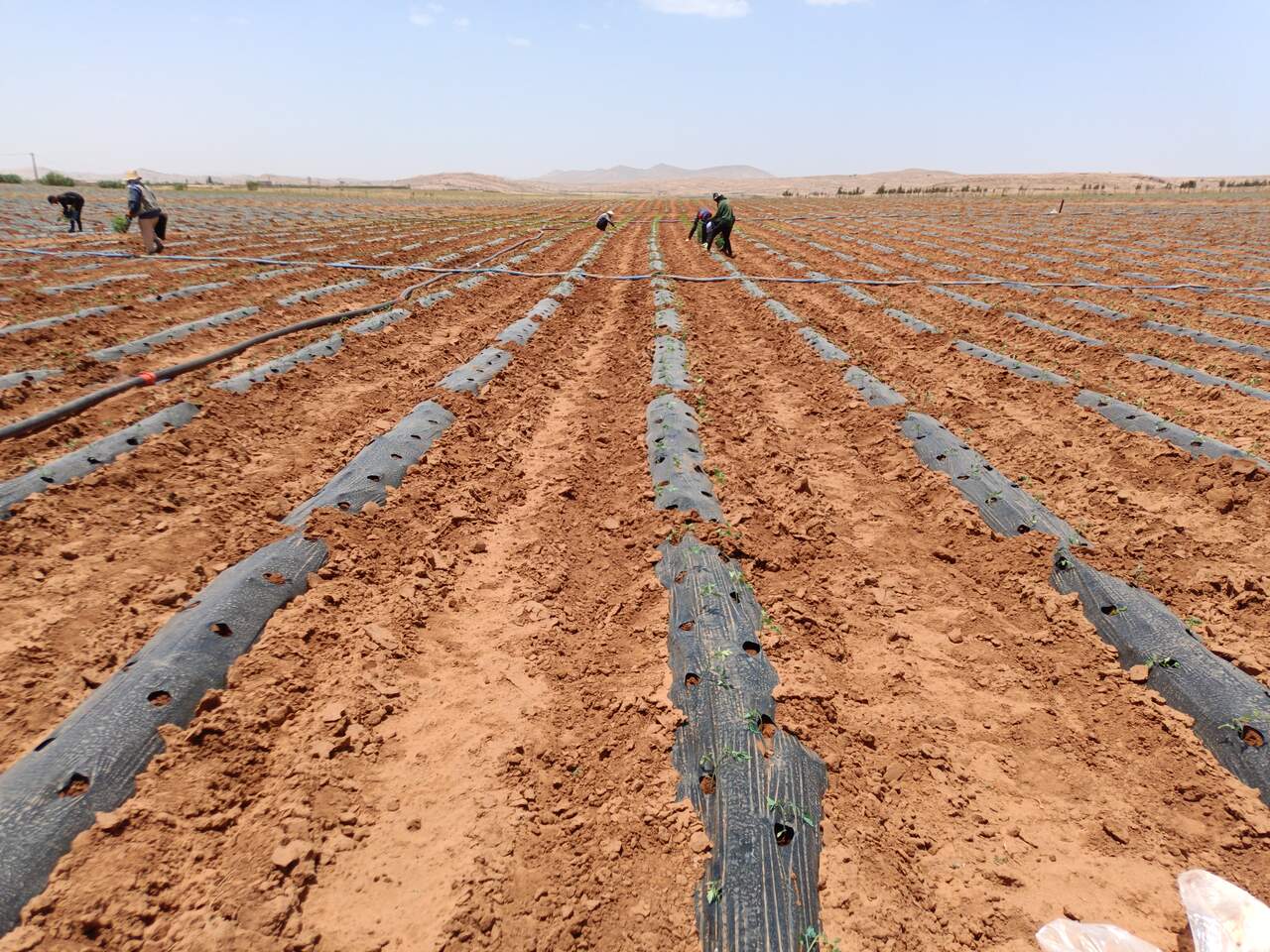
The market gardening farm type focuses primarily on vegetable production, alongside date palms for self-consumption. Farms have an average size of 4 ha and do not generate off-farm income. This is the least representative farm type in the Living Lab. For this reason, it was not included in the modelling simulations, following a joint decision by both the Living Lab members and the modelling team.
The database will be available soon.
Simulation of agroecological practices and their combinations
The agroecological transition scenarios were co-designed together with the living labs through workshops that anchored the discussion in the challenges present in their territory. Consequently, they decided which agroecological practices, and which combinations of them, to promote the change in their farming systems. The AEP selection and scenario design comprised two different workshops focusing on the selection of agroecological practices aligned with the local context. First, a farmers’ workshop was conducted to design and select the agroecological practices they were willing to implement in the living lab, grounding the discussion on existing challenges. Subsequently, a representative board’s workshop was conducted, where representative board members examined the selected agroecological practices chosen by farmers, assessed their combinations, and identified additional practices.
| Name |
Barbary fig hedge |
|---|---|
| Summary |
This Agroecological Practice aims to reduce wind-driven soil erosion in the Living Lab of Laghouat, where poor soil quality is already a major constraint. To help limit soil loss, new green hedges are proposed around farms. Barbary fig trees were selected for this purpose, as they are well adapted to the local environmental conditions. |
| Full description |
The Barbary Fig Hedge scenario introduces Barbary fig trees (Opuntia ficus-indica) as farm hedges along the field boundaries, adding a productive land use to areas that were not previously generating crop revenue. The existing crop pattern is preserved without modification; the Barbary fig hedge occupies boundary space rather than displacing any current activity. Beyond the direct productive function, the hedge provides two documented ecological co-benefits: reduction of soil erosion along field edges and an increase in on-farm biodiversity through the structural complexity introduced by the hedge layer. |
Indicators
Agronomic
| Diversified farms | Livestock farms | Arboriculture farms | ||||
|---|---|---|---|---|---|---|
| Scenario | Baseline | Barbary fig hedge | Baseline | Barbary fig hedge | Baseline | Barbary fig hedge |
| Farm Size (ha) | Diversified farms — Baseline10.27 | Diversified farms — Barbary fig hedge10.27 | Livestock farms — Baseline9.49 | Livestock farms — Barbary fig hedge9.49 | Arboriculture farms — Baseline2.14 | Arboriculture farms — Barbary fig hedge2.14 |
| Crop Diversity (# of crops) | Diversified farms — Baseline4 (+5 tree) | Diversified farms — Barbary fig hedge4 (+5 tree) | Livestock farms — Baseline5 (+4 tree) | Livestock farms — Barbary fig hedge5 (+4 tree) | Arboriculture farms — Baseline0 (+4 tree) | Arboriculture farms — Barbary fig hedge0 (+4 tree) |
| Land Use | Diversified farms — BaselineBarley (0.03 ha), Durum wheat (3.28 ha), Alfalfa (1.00 ha), Carrot (0.14 ha), Olive (1.03 ha), Palm date (1.61 ha), Fig (0.72 ha), Apricot (0.16 ha), Vine (0.30 ha), Livestock: Yes |
Diversified farms — Barbary fig hedgeBarley (0.03 ha), Durum wheat (3.28 ha), Alfalfa (1.00 ha), Carrot (0.14 ha), Olive (1.03 ha), Palm date (1.61 ha), Fig (0.72 ha), Apricot (0.16 ha), Vine (0.30 ha), Barbarian fig (0.12 ha), Livestock: Yes |
Livestock farms — BaselineBarley (0.50 ha), Durum wheat (1.99 ha), Maize (1.99 ha), Alfalfa (2.18 ha), Olive (0.30 ha), Palm date (0.71 ha), Fig (0.40 ha), Apricot (1.40 ha), Livestock: Yes |
Livestock farms — Barbary fig hedgeBarley (0.50 ha), Durum wheat (1.99 ha), Maize (1.99 ha), Alfalfa (2.18 ha), Olive (0.30 ha), Palm date (0.71 ha), Fig (0.40 ha), Apricot (1.40 ha), Barbarian fig (0.13 ha), Livestock: Yes |
Arboriculture farms — BaselineOlive (0.70 ha), Palm date (0.84 ha), Pomegranate (0.30 ha), Vine (0.30 ha), Livestock: No |
Arboriculture farms — Barbary fig hedgeOlive (0.70 ha), Palm date (0.84 ha), Pomegranate (0.30 ha), Vine (0.30 ha), Barbarian fig (0.06 ha), Livestock: No |
| Pesticide Use (kg/year/farm) | Diversified farms — Baseline37.0 | Diversified farms — Barbary fig hedge37.0 | Livestock farms — Baseline37.0 | Livestock farms — Barbary fig hedge37.6 | Arboriculture farms — Baseline3.0 | Arboriculture farms — Barbary fig hedge3.0 |
| Fertilizer Use (kg/year/farm) | Diversified farms — Baseline450.0 | Diversified farms — Barbary fig hedge450.0 | Livestock farms — Baseline782.3 | Livestock farms — Barbary fig hedge718.5 | Arboriculture farms — Baseline669.0 | Arboriculture farms — Barbary fig hedge669.0 |
| Nitrogen Leaching (kg/year/farm) | Diversified farms — Baseline90.0 | Diversified farms — Barbary fig hedge90.0 | Livestock farms — Baseline148.0 | Livestock farms — Barbary fig hedge148.0 | Arboriculture farms — Baseline66.9 | Arboriculture farms — Barbary fig hedge66.9 |
Socio-economic
| Diversified farms | Livestock farms | Arboriculture farms | ||||
|---|---|---|---|---|---|---|
| Scenario | Baseline | Barbary fig hedge | Baseline | Barbary fig hedge | Baseline | Barbary fig hedge |
| Total Farm Income ($/year/farm) | Diversified farms — Baseline37,465 | Diversified farms — Barbary fig hedge42,877 | Livestock farms — Baseline58,470 | Livestock farms — Barbary fig hedge63,255 | Arboriculture farms — Baseline16,328 | Arboriculture farms — Barbary fig hedge18,140 |
| Cost ($/year/farm) | Diversified farms — Baseline5,912 | Diversified farms — Barbary fig hedge5,719 | Livestock farms — Baseline12,905 | Livestock farms — Barbary fig hedge12,829 | Arboriculture farms — Baseline3,597 | Arboriculture farms — Barbary fig hedge3,468 |
| Labour (person-days/year/farm) | Diversified farms — Baseline452 | Diversified farms — Barbary fig hedge476 | Livestock farms — Baseline444 | Livestock farms — Barbary fig hedge452 | Arboriculture farms — Baseline177 | Arboriculture farms — Barbary fig hedge208 |
| Name |
Palm date pollination |
|---|---|
| Summary |
The Palm Date scenario replaces manual hand-pollination of date palms with a pollination stick, eliminating one of the most labor intensive (knowledge requirement) operations on the farm. |
| Full description |
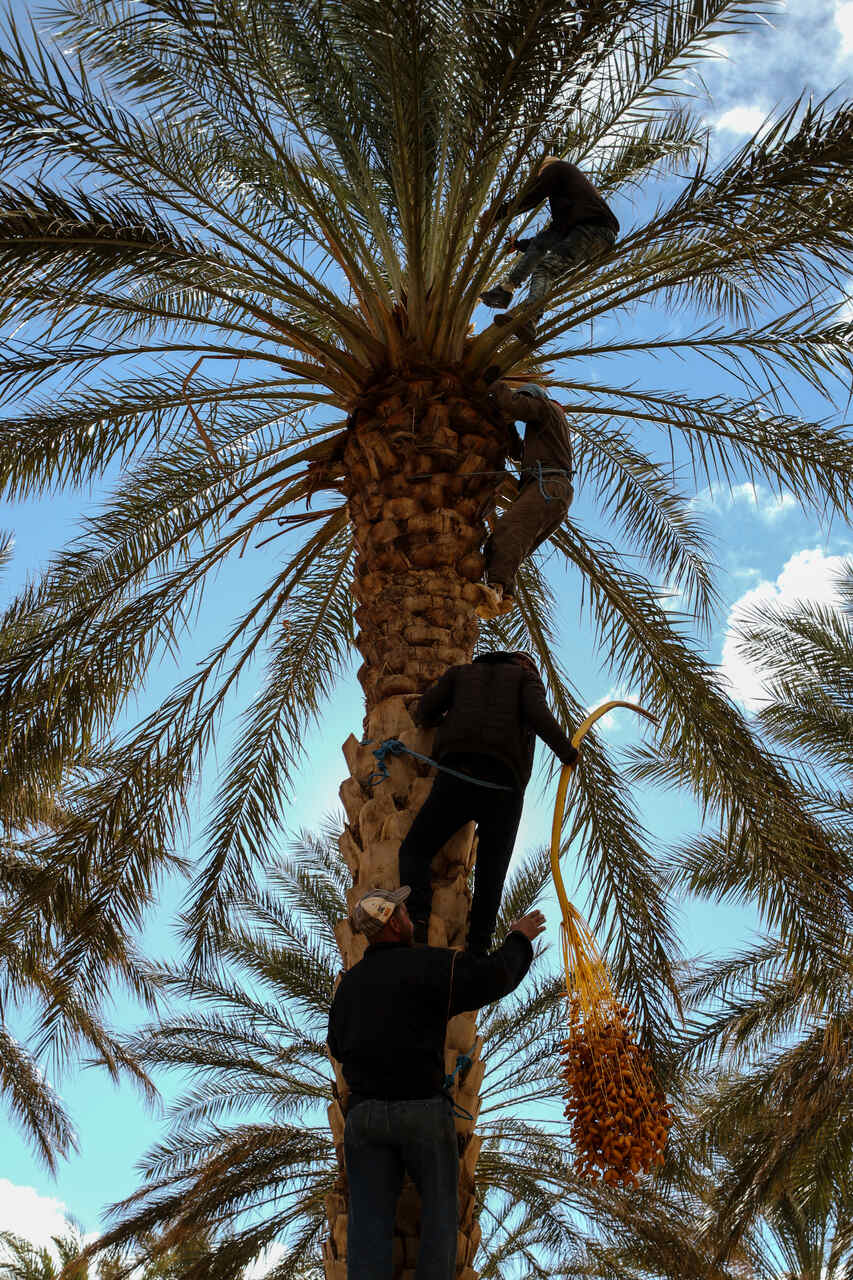
In the current situation, pollination is carried out by hired labor working at height across the palm canopy — a costly and physically demanding task. The proposed agroecological practice combines the use of a pollination stick, allowing farm household members to perform the operation from the ground, with the dilution of date palm pollen in agricultural lime or flour. This combination reduces the time and labor required for pollination, limits dependency on external workers, and decreases the quantity and cost of pollen needed. For farmers in Laghouat where date palm cultivation is a central activity, this represents a practical and low-disruption improvement: no new crops, no additional agricultural inputs, and no changes to existing land allocation. By improving pollination efficiency and reducing both labor and pollen costs, this practice can directly enhance farm profitability and net income. |
Indicators
Agronomic
| Diversified farms | Livestock farms | Arboriculture farms | ||||
|---|---|---|---|---|---|---|
| Scenario | Baseline | Palm date pollination | Baseline | Palm date pollination | Baseline | Palm date pollination |
| Farm Size (ha) | Diversified farms — Baseline10.27 | Diversified farms — Palm date pollination10.27 | Livestock farms — Baseline9.49 | Livestock farms — Palm date pollination9.49 | Arboriculture farms — Baseline2.14 | Arboriculture farms — Palm date pollination2.14 |
| Crop Diversity (# of crops) | Diversified farms — Baseline4 (+5 tree) | Diversified farms — Palm date pollination4 (+5 tree) | Livestock farms — Baseline5 (+4 tree) | Livestock farms — Palm date pollination5 (+4 tree) | Arboriculture farms — Baseline0 (+4 tree) | Arboriculture farms — Palm date pollination0 (+4 tree) |
| Land Use | Diversified farms — BaselineBarley (0.03 ha), Durum wheat (3.28 ha), Alfalfa (1.00 ha), Carrot (0.14 ha), Olive (1.03 ha), Palm date (1.61 ha), Fig (0.72 ha), Apricot (0.16 ha), Vine (0.30 ha), Livestock: Yes |
Diversified farms — Palm date pollinationBarley (0.03 ha), Durum wheat (3.28 ha), Alfalfa (1.00 ha), Carrot (0.14 ha), Olive (1.03 ha), Palm date (1.61 ha), Fig (0.72 ha), Apricot (0.16 ha), Vine (0.30 ha), Livestock: Yes |
Livestock farms — BaselineBarley (0.50 ha), Durum wheat (1.99 ha), Maize (1.99 ha), Alfalfa (2.18 ha), Olive (0.30 ha), Palm date (0.71 ha), Fig (0.40 ha), Apricot (1.40 ha), Livestock: Yes |
Livestock farms — Palm date pollinationBarley (0.50 ha), Durum wheat (1.99 ha), Maize (1.99 ha), Alfalfa (2.18 ha), Olive (0.30 ha), Palm date (0.71 ha), Fig (0.40 ha), Apricot (1.40 ha), Livestock: Yes |
Arboriculture farms — BaselineOlive (0.70 ha), Palm date (0.84 ha), Pomegranate (0.30 ha), Vine (0.30 ha), Livestock: No |
Arboriculture farms — Palm date pollinationOlive (0.70 ha), Palm date (0.84 ha), Pomegranate (0.30 ha), Vine (0.30 ha), Livestock: No |
| Pesticide Use (kg/year/farm) | Diversified farms — Baseline37.0 | Diversified farms — Palm date pollination37.0 | Livestock farms — Baseline37.0 | Livestock farms — Palm date pollination37.0 | Arboriculture farms — Baseline3.0 | Arboriculture farms — Palm date pollination3.0 |
| Fertilizer Use (kg/year/farm) | Diversified farms — Baseline450.0 | Diversified farms — Palm date pollination450.0 | Livestock farms — Baseline782.3 | Livestock farms — Palm date pollination782.3 | Arboriculture farms — Baseline669.0 | Arboriculture farms — Palm date pollination669.0 |
| Nitrogen Leaching (kg/year/farm) | Diversified farms — Baseline90.0 | Diversified farms — Palm date pollination90.0 | Livestock farms — Baseline148.0 | Livestock farms — Palm date pollination148.0 | Arboriculture farms — Baseline66.9 | Arboriculture farms — Palm date pollination66.9 |
Socio-economic
| Diversified farms | Livestock farms | Arboriculture farms | ||||
|---|---|---|---|---|---|---|
| Scenario | Baseline | Palm date pollination | Baseline | Palm date pollination | Baseline | Palm date pollination |
| Total Farm Income ($/year/farm) | Diversified farms — Baseline37,465 | Diversified farms — Palm date pollination42,349 | Livestock farms — Baseline58,470 | Livestock farms — Palm date pollination61,184 | Arboriculture farms — Baseline16,328 | Arboriculture farms — Palm date pollination17,950 |
| Cost ($/year/farm) | Diversified farms — Baseline5,912 | Diversified farms — Palm date pollination5,656 | Livestock farms — Baseline12,905 | Livestock farms — Palm date pollination12,792 | Arboriculture farms — Baseline3,597 | Arboriculture farms — Palm date pollination3,095 |
| Labour (person-days/year/farm) | Diversified farms — Baseline452 | Diversified farms — Palm date pollination390 | Livestock farms — Baseline444 | Livestock farms — Palm date pollination363 | Arboriculture farms — Baseline177 | Arboriculture farms — Palm date pollination192 |
Agroecological zones
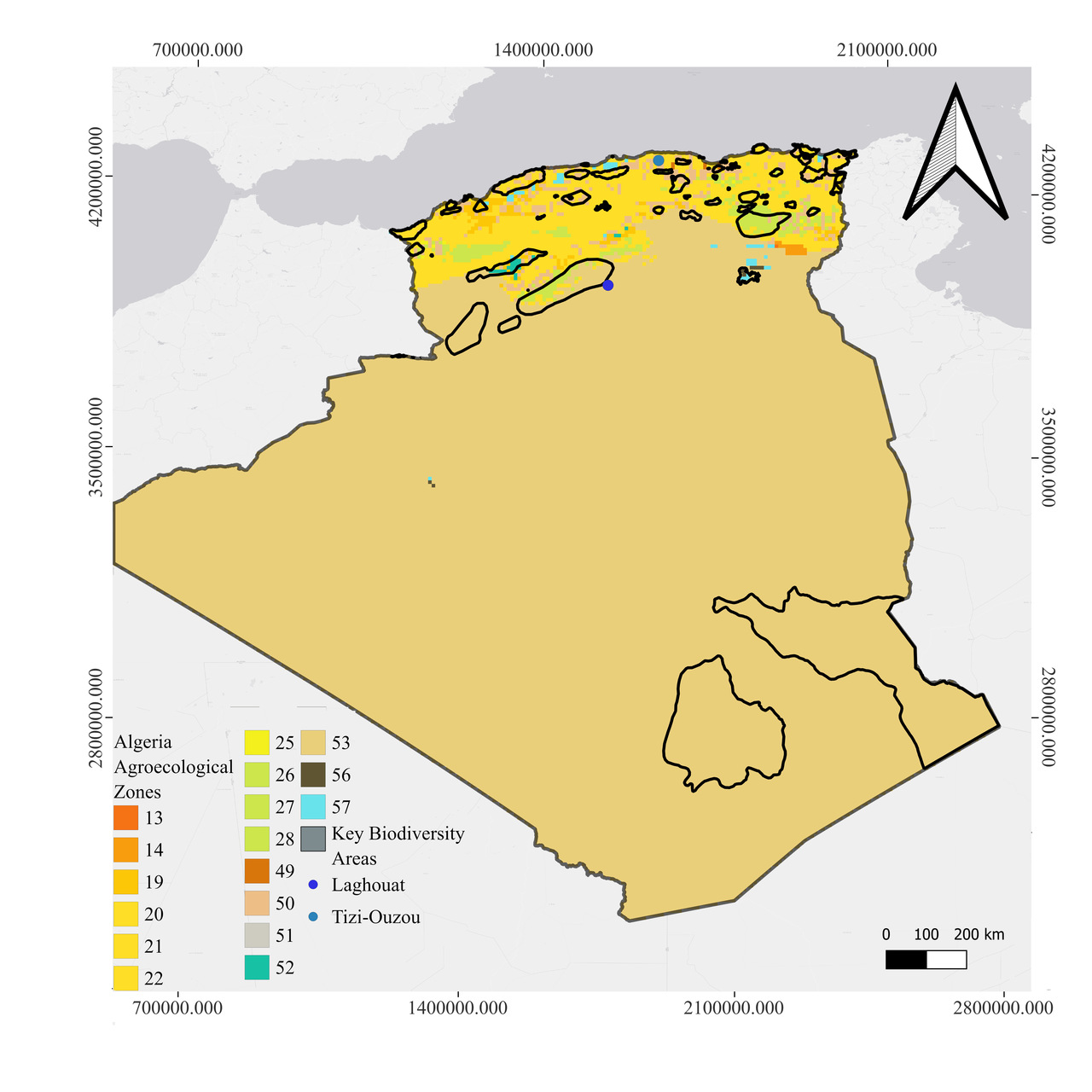
Agroecological zones (GAEZ v4) and Key Biodiversity Areas of Algeria
Legend
| AEZ | Temperature regime | Moisture | Soil/terrain limitations |
|---|---|---|---|
| 1 | Lowland | Semi-arid | Minor limitations |
| 2 | Lowland | Semi-arid | Significant limitations |
| 13 | Warm | Semi-arid | Minor limitations |
| 14 | Warm | Semi-arid | Significant limitations |
| 16 | Warm | Sub-humid | Significant limitations |
| 19 | Moderately cool | Semi-arid | Minor limitations |
| 20 | Moderately cool | Semi-arid | Significant limitations |
| 21 | Moderately cool | Sub-humid | Minor limitations |
| 22 | Moderately cool | Sub-humid | Significant limitations |
| 25 | Cool | Semi-arid | Minor limitations |
| 26 | Cool | Semi-arid | Significant limitations |
| 27 | Cool | Sub-humid | Minor limitations |
| 28 | Cool | Sub-humid | Significant limitations |
| 49 | Very steep terrain | ||
| 50 | Severe soil/terrain limitations | ||
| 51 | Land with ample irrigated soils | ||
| 52 | Dominantly hydromorphic soils | ||
| 53 | Desert/Arid climate | ||
| 56 | Dominantly urban/built up land | ||
| 57 | Dominantly water | ||
- Key Biodiversity Areas
- Laghouat Living Lab
- Tizi-Ouzou Living Lab
Agro-ecological zoning takes into consideration three parameters: the temperature regime, the available moisture in the environment and the restrictions imposed by the soil and/or topography. The temperature regime is a classification based on the prevailing temperatures, with some consideration on the average rainfall, and the temperature growing days (when daily temperatures are conducive to crop growth). Moisture classification is based on the availability of moisture for crop growth and is derived by the number of days where this growth is possible, considering both favourable temperatures and water availability. Soil/terrain restrictions are based on terrain steepness, as well as soil type.
The AEZ classification looks at those parameters without considering specific crops. Therefore, areas belonging to similar agroecological zones are expected to be equally suitable for any specific crop. As a result, any agro-ecological practices that are applied in a particular zone, should be able to be transferred in another area belonging to the same zone classification, using the same crop configuration.
Algeria’s climatic conditions are conducive for several crops under both regimes, whether rainfed or irrigated, particularly in the coastal Mediterranean area. The Laghouat living lab is on the verge of this zone, bordering the desert and relies on groundwater irrigation. The Tizi-Ouzou living lab is found near the Mediterranean coast and can support rainfed irrigation, however rainfall has been erratic in recent years. Its AEZ is subtropical.
Further results
In Laghouat, the model results were discussed and validated with local actors during a participatory workshop.
Barbary fig hedge
Participants considered the introduction of prickly pear as a windbreak to be a realistic and feasible practice.
Palm date pollination
Similarly, the model findings related to date palm pollination were largely perceived as consistent with local farming realities. However, participants emphasized that pollination is not merely an agricultural practice but also an important element of local cultural heritage. The process is carried out manually by experienced individuals who possess specialized knowledge, particularly in selecting appropriate pollen and identifying suitable dates. While participants highlighted the increasing difficulties in recruiting labor for this task, they also stressed the importance of preserving this expertise.
Key message
More broadly, concerns were expressed that this traditional knowledge and practice could gradually disappear if it is not transmitted to future generations.