

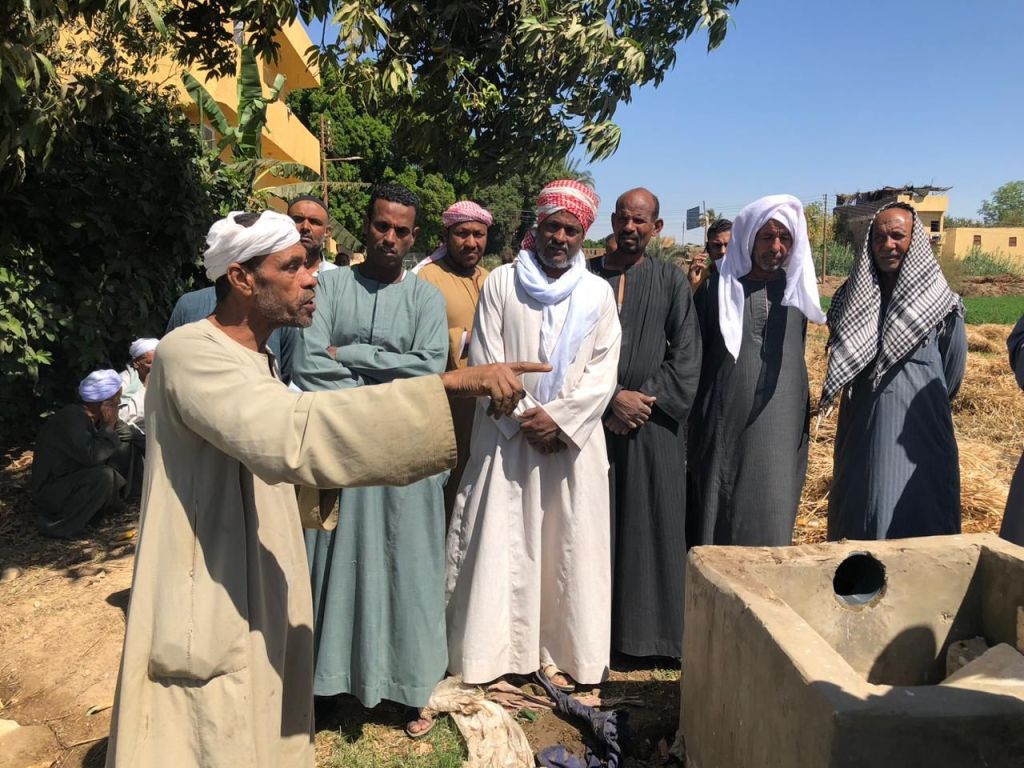
Sugarcane Farms
Sugarcane farms are specialized systems focusing on maximizing their production. Farmers typically engage in contract farming with sugar and molasses factories, selling the production at a standard by-back price. This results in strong monoculture, with an average area of 2.04 ha, of which around 70% is allocated to sugarcane. A small plot is used for wheat production to be self-consumed, and farmers keep a limited number of large livestock (cows and buffaloes). Labor is mainly hired, especially during the harvesting period. However, despite their intensive production, these systems exhibit the lowest use of phytosanitary products among the identified dominant farm types.
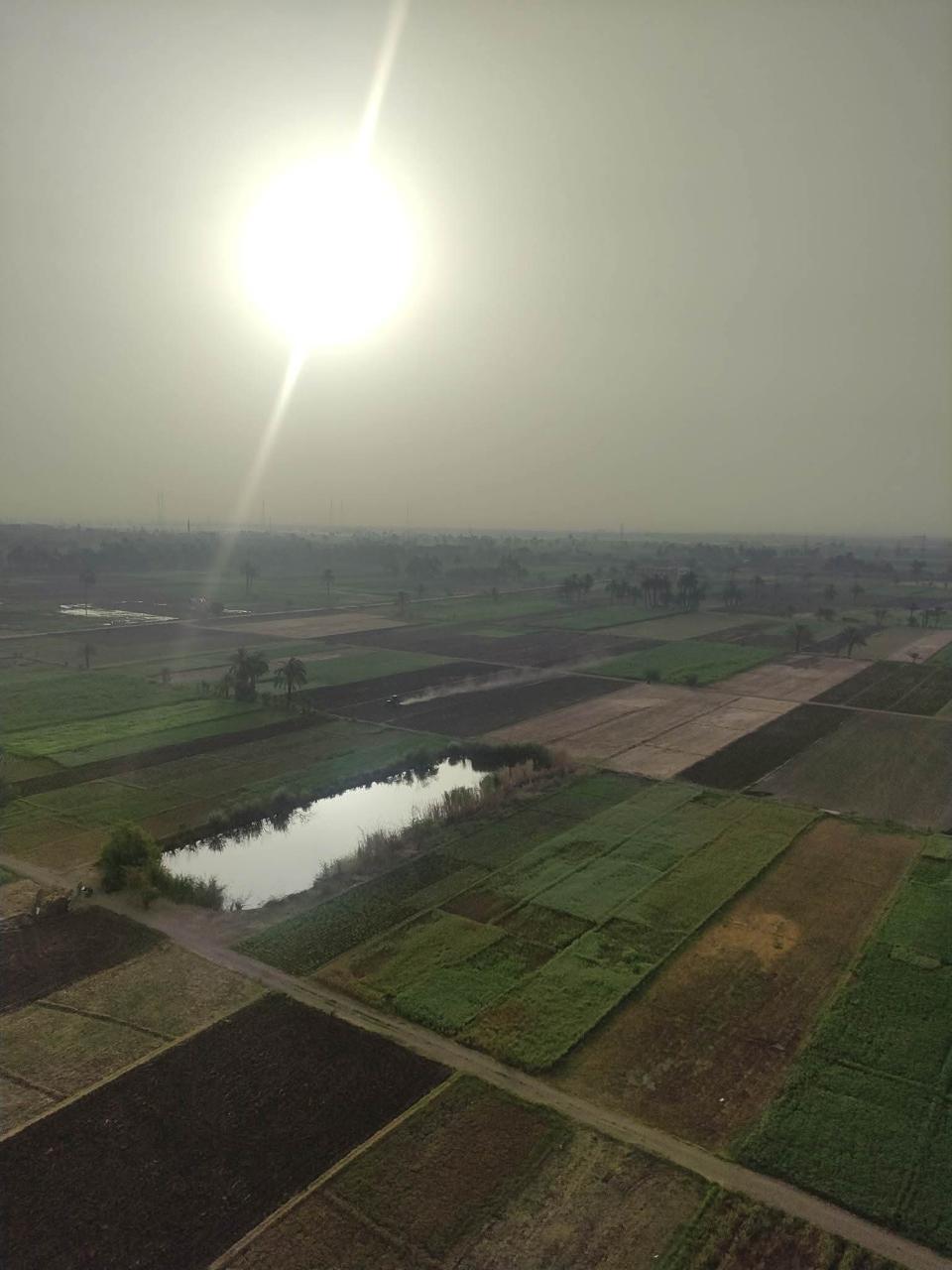
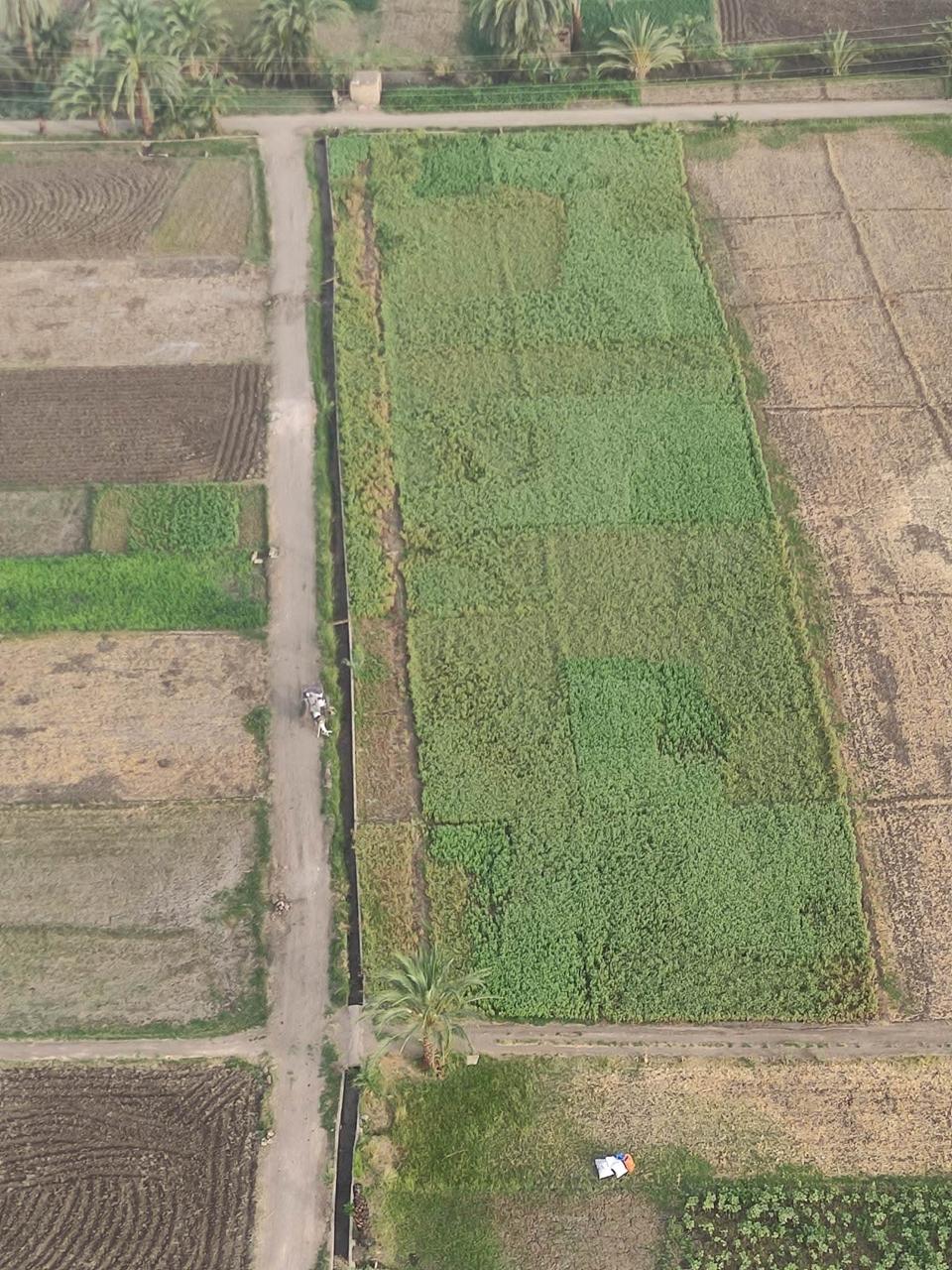
Livestock Farms
Livestock farms focus on the production of crops as fodder to feed their animals. Their profitability is based on the selling of animal products, while 10%-20% is self-consumed in the household. Farmers often hold secondary off-farm jobs, typically as government officials. The average land holding is around 0.98 ha, with crop pattern based on wheat, maize, clover and sorghum, with occasionally a small plot of land with sugarcane. Their herds consist of large animals such as cows and buffaloes, alongside 10 to 12 monogastric animals (sheep or goats) and poultry They rely heavily on hired labour, while a 20% of total labour comes from the family.
Diversified Farms
Diversified farms focus on the production of various crops to cover the needs of the household. The average holding is around 1.12 ha, consisting of wheat, maize, sorghum and clover. Approximately, 80% of the production is for self-consumption while the remaining 20% is sold to the local market. Regarding livestock, farmers maintain a small number of monogastric animals and poultry. As for the crops, the animal products are also used for self-consumption with the surplus been sold. For the labour, the farmers rely on average 75-80% on the family, while the rest is hired workers. Overall input use is of medium intensity, but the phytosanitary products are high, reflecting farmers’ efforts to protect crops and ensure a reliable food supply for the household.
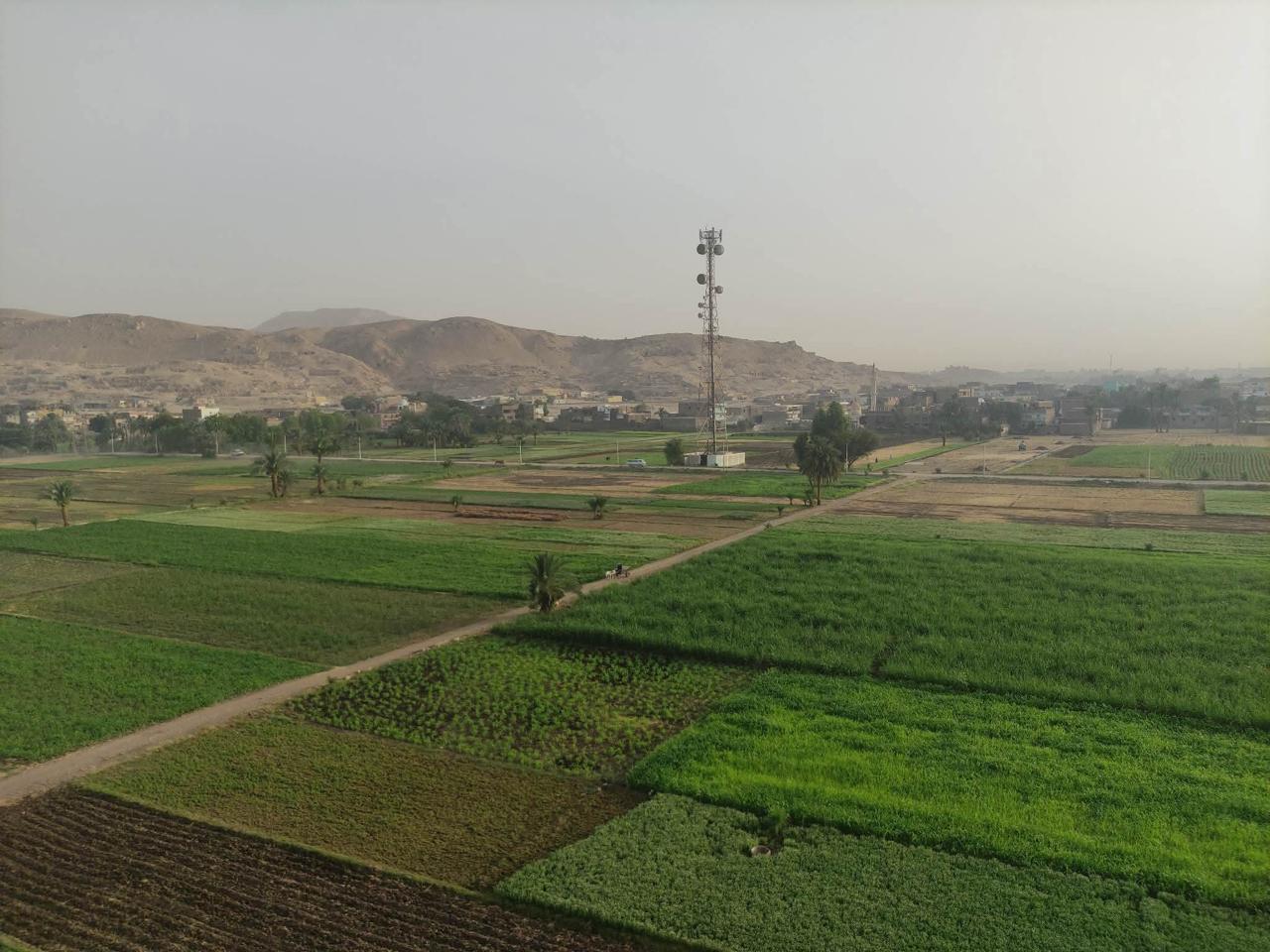
Cereal Farms
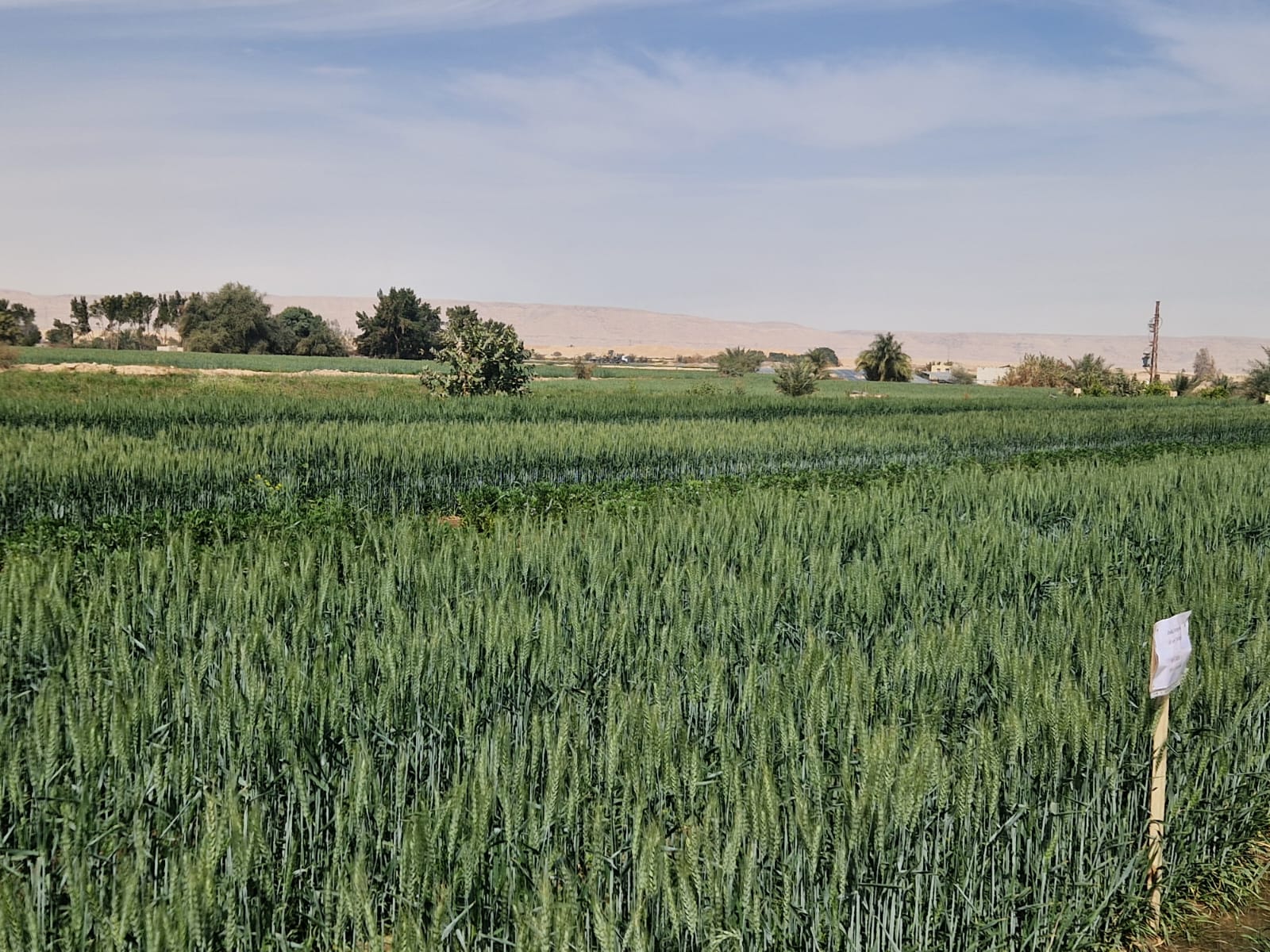
Cereal Farms are the smaller farms in the LL, with an average land holding size of 0.63 ha. Farmers are primarily focused on covering household needs, with the only source of income being a contract on 5% of the wheat production. The cropping pattern is based on wheat and maize, with occasional small plots of clover. No livestock, apart from poultry, is present which limits household dietary options. Additionally, these farms rely exclusively on family labour to carry out all agricultural activities. Overall, the input use is low, however the use of phytosanitary is high, as farmers seek to protect their crops.
| Living Lab Scale | ||
|---|---|---|
| RF1 | RF2 | |
| Crop Pattern | Information to be provided by CIHEAM | Information to be provided by CIHEAM |
| Land Use | Information to be provided by CIHEAM | Information to be provided by CIHEAM |
| Pesticide Use | Information to be provided by CIHEAM | Information to be provided by CIHEAM |
| Nitrogen Leaching | Information to be provided by CIHEAM | Information to be provided by CIHEAM |
| Living Lab Scale | ||
|---|---|---|
| RF1 | RF2 | |
| Total Farm Income | Information to be provided by CIHEAM | Information to be provided by CIHEAM |
| Living Lab Scale | Baseline | ||
|---|---|---|---|
| RF1 | RF2 | ||
| Crop Pattern | Information to be provided by CIHEAM | Information to be provided by CIHEAM | Lorem ipsum |
| Land Use | Information to be provided by CIHEAM | Information to be provided by CIHEAM | Lorem ipsum |
| Pesticide Use | Information to be provided by CIHEAM | Information to be provided by CIHEAM | Lorem ipsum |
| Nitrogen Leaching | Information to be provided by CIHEAM | Information to be provided by CIHEAM | Lorem ipsum |
| Living Lab Scale | Baseline | ||
|---|---|---|---|
| RF1 | RF2 | ||
| Total Farm Income | Information to be provided by CIHEAM | Information to be provided by CIHEAM | Lorem ipsum |
| Living Lab Scale | Baseline | ||
|---|---|---|---|
| RF1 | RF2 | ||
| Crop Pattern | Information to be provided by CIHEAM | Information to be provided by CIHEAM | Lorem ipsum |
| Land Use | Information to be provided by CIHEAM | Information to be provided by CIHEAM | Lorem ipsum |
| Pesticide Use | Information to be provided by CIHEAM | Information to be provided by CIHEAM | Lorem ipsum |
| Nitrogen Leaching | Information to be provided by CIHEAM | Information to be provided by CIHEAM | Lorem ipsum |
| Living Lab Scale | Baseline | ||
|---|---|---|---|
| RF1 | RF2 | ||
| Total Farm Income | Information to be provided by CIHEAM | Information to be provided by CIHEAM | Lorem ipsum |
| Living Lab Scale | Baseline | ||
|---|---|---|---|
| RF1 | RF2 | ||
| Crop Pattern | Information to be provided by CIHEAM | Information to be provided by CIHEAM | Lorem ipsum |
| Land Use | Information to be provided by CIHEAM | Information to be provided by CIHEAM | Lorem ipsum |
| Pesticide Use | Information to be provided by CIHEAM | Information to be provided by CIHEAM | Lorem ipsum |
| Nitrogen Leaching | Information to be provided by CIHEAM | Information to be provided by CIHEAM | Lorem ipsum |
| Living Lab Scale | Baseline | ||
|---|---|---|---|
| RF1 | RF2 | ||
| Total Farm Income | Information to be provided by CIHEAM | Information to be provided by CIHEAM | Lorem ipsum |